
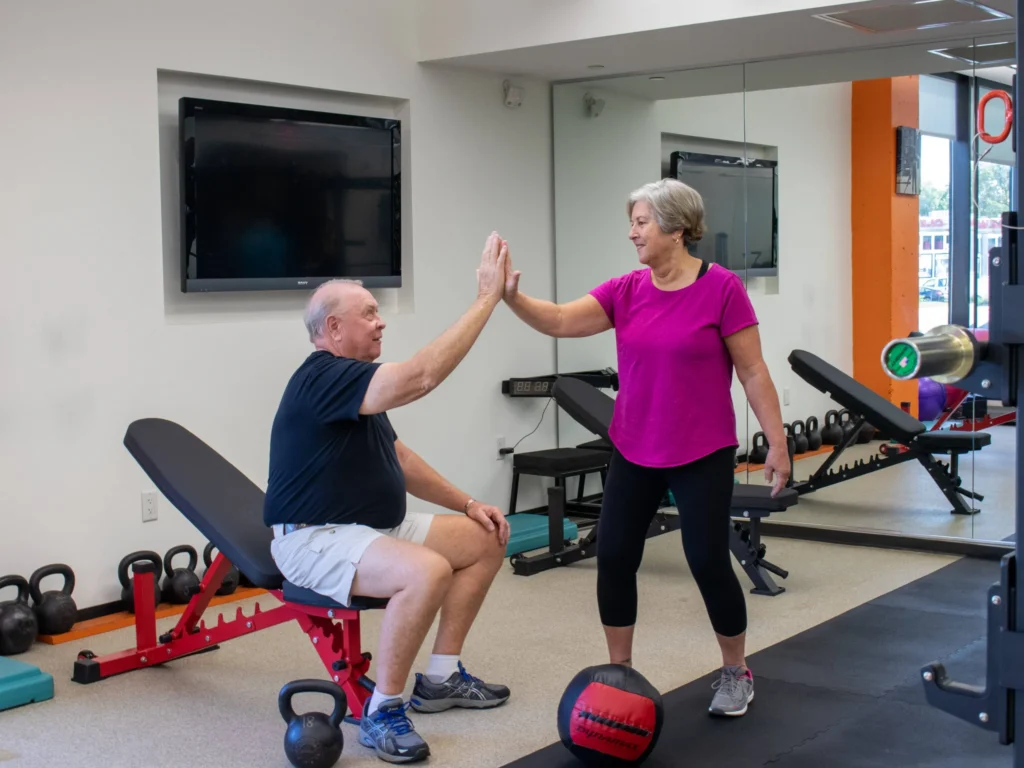
As we age, maintaining cognitive function becomes increasingly important for overall well-being. Engaging in specific exercises can significantly enhance brain health, particularly for seniors. This article explores various types of exercises that promote cognitive function, their benefits, and practical routines that can be easily integrated into daily life. By understanding how physical activity influences brain health, seniors can take proactive steps to improve their mental fitness and quality of life. We will cover types of exercises, their benefits, recommended routines, and quick-start fixes to boost brain health effectively.
Research consistently highlights the profound impact of regular physical activity on cognitive health in older adults. fitness programs for adults
Physical Activity Boosts Cognitive Function in Seniors
was to determine if regular physical activity was effective at maintaining/improving physical and cognitive function in this population as compared to a social activity intervention.
The impact of physical versus social activity on the physical and cognitive functioning of seniors with dementia, CS Johnson, 2017
Essential Exercises for Cognitive Health in Newfield and Westover
Different types of exercises can enhance cognitive function in seniors, focusing on strength, balance, and overall movement. Incorporating a variety of fitness programs for adults can lead to improved mental clarity and physical health.
Smart Resistance Training
Smart resistance training involves controlled movements that build strength and enhance cognitive function. This type of training not only improves muscle mass but also stimulates brain activity through increased blood flow and neural engagement. Examples of effective exercises include:
- Weight Lifting: Using light weights to perform exercises like bicep curls and leg presses.
- Resistance Bands: Incorporating bands for exercises such as seated rows and chest presses.
- Bodyweight Exercises: Engaging in push-ups, squats, and lunges to build strength without equipment.
These exercises help seniors maintain independence and improve their overall cognitive health.
Studies further emphasize the unique benefits of resistance training, particularly for older women, in promoting brain health and preventing age-related risks.
Resistance Training for Brain Health in Senior Women
resistance training may be of particular importance to senior women, as they are at greater risk of falls and fractures. It also plays a role in the regulation of neurogenesis in the adult and aging brain.
Exercise and cognition in older adults: is there a role for resistance training programmes?, 2009
Core and Balance Work

Core and balance exercises are essential for improving stability and coordination, which are crucial for preventing falls. Strengthening the core muscles enhances posture and balance, directly impacting cognitive function. Recommended exercises include: the best fitness programs for adults 55.
- Planks: Holding a plank position to strengthen the core.
- Tai Chi: Practicing Tai Chi movements to improve balance and mental focus.
- Single-Leg Stands: Balancing on one leg to enhance stability.
These activities not only support physical health but also contribute to better cognitive performance by engaging the mind in coordination and balance.
Low-Impact, High-Reward Movement
Low-impact exercises are gentle on the joints while providing significant health benefits. These activities promote overall health and can be easily incorporated into daily routines. Examples include: strength training for older adults in stamford ct 7 ways to live strong at any age
- Walking: A simple yet effective way to boost cardiovascular health and cognitive function.
- Swimming: Engaging in swimming or water aerobics to reduce strain on joints while enhancing fitness.
- Cycling: Riding a stationary bike or cycling outdoors to improve endurance and mental clarity.
These low-impact movements are accessible for seniors and can lead to improved brain health over time.
Fall Prevention Strategies
Exercises designed specifically for fall prevention are crucial for seniors. These activities enhance balance and coordination, reducing the risk of falls and associated injuries. Effective strategies include: best fitness programs.
- Balance Exercises: Practicing heel-to-toe walking and side leg raises.
- Strength Training: Focusing on lower body strength through squats and leg lifts.
- Flexibility Work: Incorporating stretching routines to improve overall mobility.
Implementing these strategies can significantly enhance safety and confidence in daily activities.
Benefits:
Engaging in regular exercise offers numerous benefits for cognitive function in seniors. These advantages extend beyond physical health, positively impacting mental well-being and quality of life.
- Improved Posture: Strengthening core muscles leads to better posture, which can enhance cognitive function by improving blood flow to the brain.
- Increased Strength: Building muscle strength supports independence and reduces the risk of falls, contributing to overall mental health.
- Better Sleep: Regular physical activity promotes better sleep patterns, which are essential for cognitive health.
- Enhanced Confidence: Achieving fitness goals boosts self-esteem and encourages continued engagement in physical activities.
Core Principles Personal Training specializes in fitness and nutrition coaching for adults aged 50 and above, focusing on personalized training programs that align with improving both physical fitness and cognitive health. best fitness programs for adults 55
Recommended Routines:
Establishing a consistent exercise routine is vital for seniors looking to enhance cognitive function. Here are some suggested routines: best fitness programs for adults 55
- Strength Training: Aim for two sessions per week, focusing on major muscle groups.
- Walking: Incorporate daily walks of at least 30 minutes to promote cardiovascular health.
- Balance and Flexibility: Include balance exercises at least three times a week to improve stability.
These routines can be tailored to individual fitness programs for adults and preferences, ensuring that seniors remain active and engaged.
Quick-Start Fixes:
Seniors can implement simple actions to boost brain health quickly. Here are some quick-start fixes:
- Lift Something Regularly: Incorporate light weights or resistance bands into daily activities.
- Ensure Protein Intake: Focus on a balanced diet rich in protein to support muscle health.
- Practice Good Posture: Be mindful of posture during daily activities to enhance cognitive function.
- Walk Daily: Aim for at least 10-15 minutes of walking each day.
- Aim for 7+ Hours of Sleep: Prioritize sleep to support overall brain health.
These straightforward actions can lead to significant improvements in cognitive function over time.
What Are the Best Physical Exercises to Enhance Cognitive Function in Seniors?
The best physical exercises for enhancing cognitive function in seniors include a combination of aerobic and strength training activities. Aerobic exercises, such as walking and swimming, improve cardiovascular health, which is closely linked to brain health. Strength training exercises, like resistance training, enhance muscle mass and stimulate brain activity. Together, these exercises create a comprehensive approach to strength training for older adults.
How Do Aerobic and Strength Training Improve Brain Health?
Aerobic and strength training improve brain health by increasing blood flow to the brain, which enhances oxygen and nutrient delivery. This process supports neurogenesis, the formation of new neurons, and promotes the release of neurotrophic factors that protect and repair brain cells. Regular engagement in these activities can lead to improved strength training, focus, and overall cognitive resilience.
What Is Dual Task Training and How Does It Benefit Memory?
Dual task training involves performing two tasks simultaneously, such as walking while solving a puzzle. This type of training challenges the brain and enhances cognitive flexibility, which is crucial for memory improvement. By engaging in dual task exercises, seniors can improve their ability to multitask and maintain cognitive function in everyday situations.
Which Nutrition Strategies Support Brain Health and Cognitive Function in Older Adults?

Nutrition plays a vital role in supporting brain health and cognitive function in older adults. Key strategies include: best fitness programs for adults 55
- Omega-3 Fatty Acids: Found in fish and flaxseeds, these fats are essential for brain health and cognitive function.
- Antioxidants: Consuming fruits and vegetables rich in antioxidants helps protect the brain from oxidative stress.
- B Vitamins: Adequate intake of B vitamins supports energy metabolism and cognitive function.
- Hydration: Staying hydrated is crucial for maintaining cognitive performance.
Incorporating these nutritional strategies can significantly enhance cognitive health in seniors.
What Are Brain-Boosting Nutrients and Their Effects?
Several nutrients are known to boost brain health and cognitive function. These include:
- Omega-3 Fatty Acids: Essential for maintaining neuronal structure and function.
- Antioxidants: Protect brain cells from damage caused by free radicals.
- Turmeric: Contains curcumin, which has anti-inflammatory properties that support brain health.
- Choline: Important for neurotransmitter synthesis and cognitive function.
Understanding these nutrients and their effects can help seniors make informed dietary choices to support brain health.
How Does Personalized Nutrition Coaching Enhance Cognitive Wellness?
Personalized nutrition coaching can enhance cognitive wellness by tailoring dietary recommendations to individual needs and preferences. This approach ensures that seniors receive the right nutrients in the appropriate amounts to support brain health. Coaches can provide guidance on meal planning, nutrient timing, and lifestyle modifications that promote cognitive function.
How Can Memory Improvement Workouts Strengthen Mental Fitness in Seniors?
Memory improvement workouts are designed to enhance cognitive function through targeted exercises. These workouts often include activities that challenge memory recall, attention, and problem-solving skills. By engaging in these workouts regularly, seniors can strengthen their mental fitness and improve their overall cognitive performance.
What Are Effective Memory Enhancement Techniques for Seniors?
Effective memory enhancement techniques for seniors include:
- Mnemonic Devices: Using acronyms or visual imagery to aid memory recall.
- Regular Practice: Engaging in memory games and puzzles to stimulate cognitive function.
- Mindfulness Practices: Incorporating mindfulness meditation to improve focus and memory retention.
These techniques can be easily integrated into daily routines to support cognitive health.
How to Incorporate Cognitive Training Programs into Daily Routines?
Incorporating cognitive training programs into daily routines can be achieved through simple strategies:
- Set Aside Time: Dedicate specific times each day for cognitive training activities.
- Use Technology: Utilize apps and online resources designed for cognitive training.
- Engage Socially: Participate in group activities that promote cognitive engagement and social interaction.
By making cognitive training a regular part of daily life, seniors can enhance their mental fitness and overall well-being.
What Role Do Mindfulness and Mental Fitness Activities Play in Cognitive Health?
Mindfulness and mental fitness activities play a crucial role in cognitive health by promoting relaxation and reducing stress. These practices enhance focus and attention, which are essential for maintaining cognitive function. Engaging in mindfulness activities can lead to improved memory, better emotional regulation, and overall mental clarity.
How Does Mindfulness Practice Support Neuroplasticity in Aging?
Mindfulness practice supports neuroplasticity in aging by encouraging the brain to form new neural connections. This process is essential for learning and memory retention. Regular mindfulness meditation has been shown to increase gray matter density in brain regions associated with memory and emotional regulation, promoting cognitive resilience in older adults.
Emerging research provides compelling evidence that mindfulness practices can significantly enhance cognitive outcomes and foster neuroplasticity in aging brains.
Mindfulness Improves Cognitive Outcomes in Seniors
to examine the effects of a mindfulness-based intervention on various cognitive outcomes of age-related cognitive impairment.
Mindfulness intervention for mild cognitive impairment led to attention-related improvements and neuroplastic changes: Results from a 9-month randomized control …, J Yu, 2021
Which Mental Fitness Activities Are Recommended for Seniors?
Recommended mental fitness activities for seniors include: how I found the best fitness programs for adults 55
- Puzzles and Games: Engaging in crosswords, Sudoku, and memory games to stimulate cognitive function.
- Reading and Writing: Encouraging reading books or journaling to enhance comprehension and memory.
- Social Engagement: Participating in group discussions or clubs to promote cognitive interaction.
These activities can significantly contribute to maintaining cognitive health and enhancing overall quality of life.
Frequently Asked Questions
1. How often should seniors engage in cognitive exercises to see benefits?
Seniors should aim to engage in cognitive exercises at least three to five times a week. Consistency is key to reaping the benefits of these activities. Incorporating a mix of physical exercises, mental challenges, and social interactions can enhance cognitive function. Activities like puzzles, memory games, and physical workouts not only stimulate the brain but also promote overall well-being. Regular engagement helps maintain mental agility and can lead to noticeable improvements in memory and focus over time.
2. Are there specific exercises that are particularly beneficial for seniors with memory issues?
Yes, seniors with memory issues can benefit from exercises that combine physical activity with cognitive challenges. Activities like Tai Chi, which requires focus and coordination, can enhance both balance and mental clarity. Additionally, dual-task exercises, such as walking while reciting a list of words, can improve cognitive flexibility. Memory games and puzzles tailored to their interests can also stimulate brain activity. These exercises not only promote physical health but also help in maintaining and improving memory function.
3. What role does hydration play in cognitive function for seniors?
Hydration is crucial for cognitive function, especially in seniors. Dehydration can lead to confusion, memory problems, and decreased cognitive performance. The brain is composed of about 75% water, and adequate hydration helps maintain optimal brain function. Seniors should aim to drink enough fluids throughout the day, focusing on water and hydrating foods. Staying hydrated supports overall health, enhances concentration, and can improve mood, making it an essential aspect of cognitive wellness.
4. How can social activities contribute to cognitive health in seniors?
Social activities play a significant role in enhancing cognitive health for seniors. Engaging in conversations, participating in group exercises, or joining clubs can stimulate mental processes and reduce feelings of isolation. Social interactions challenge the brain, promoting cognitive flexibility and emotional well-being. Activities that involve teamwork or discussions can also improve memory and problem-solving skills. Regular social engagement is linked to lower rates of cognitive decline, making it an essential component of a healthy lifestyle for seniors.
5. What are some quick mental exercises seniors can do daily?
Seniors can incorporate quick mental exercises into their daily routines to boost cognitive function. Simple activities like solving crossword puzzles, playing card games, or practicing mindfulness meditation can be effective. Additionally, learning a new skill, such as a language or musical instrument, can stimulate brain activity. Even short sessions of memory recall, like listing items from memory or recounting daily events, can enhance mental agility. These exercises can be done in just a few minutes and can significantly contribute to cognitive health.
6. How does sleep impact cognitive function in seniors?
Sleep plays a vital role in cognitive function, particularly for seniors. Quality sleep is essential for memory consolidation, emotional regulation, and overall brain health. During sleep, the brain processes information and clears out toxins that accumulate during the day. Seniors often face sleep disturbances, which can lead to cognitive decline and increased risk of dementia. Prioritizing good sleep hygiene, such as maintaining a regular sleep schedule and creating a restful environment, can significantly enhance cognitive performance and overall well-being.
7. Can nutrition alone improve cognitive function in seniors?
While nutrition is a critical factor in supporting cognitive function, it works best in conjunction with physical activity and mental engagement. A balanced diet rich in omega-3 fatty acids, antioxidants, and B vitamins can enhance brain health and improve cognitive performance. However, combining good nutrition with regular exercise and social interactions creates a holistic approach to cognitive wellness. Seniors should focus on a well-rounded lifestyle that includes healthy eating, physical activity, and mental challenges for optimal cognitive function.
Conclusion
Engaging in regular physical activity is essential for seniors to enhance cognitive function and overall well-being. By incorporating a variety of exercises, such as strength training, balance work, and low-impact movements, seniors can significantly improve their mental clarity and quality of life. Understanding the benefits of these activities empowers individuals to take proactive steps towards better brain health. Start your journey to improved cognitive fitness today by exploring fitness programs for adults that fit your lifestyle.