As we age, maintaining physical fitness becomes increasingly important for overall health and well-being. Senior personal training offers tailored fitness solutions that not only enhance physical strength but also build confidence and energy levels in older adults. This article explores how personalized training programs can significantly improve the quality of life for seniors, addressing common challenges such as mobility issues and low self-esteem.
By focusing on the unique needs of individuals aged 50 and over, senior personal training provides a supportive environment that fosters growth and empowerment. We will delve into the mental health benefits of exercise, effective exercise programs, the advantages of small group training, fall prevention strategies, nutrition strategies for active seniors, and inspiring success stories from clients who have transformed their lives through fitness.
How Does Senior Personal Training Build Confidence for Adults 50+?
Senior personal training is designed to empower older adults by enhancing their physical capabilities and self-esteem. Through personalized exercise programs, seniors can experience significant improvements in their strength, mobility, and overall fitness. This tailored approach not only addresses physical limitations but also fosters a sense of accomplishment and confidence.
What Are the Mental Health Benefits of Exercise for Seniors?
Exercise has profound mental health benefits for seniors, including reduced anxiety and depression. Engaging in regular physical activity can lead to improved mood and cognitive function, which are crucial for maintaining mental well-being as we age. Research shows that seniors who participate in structured exercise programs report higher levels of happiness and lower levels of stress, contributing to a more positive outlook on life.
How Does Strength Training Improve Self-Esteem in Older Adults?
Strength training plays a vital role in boosting self-esteem among older adults. As seniors gain physical strength, they often feel more capable and independent in their daily activities. Testimonials from clients reveal that achieving fitness milestones, such as lifting heavier weights or completing a challenging workout, significantly enhances their self-confidence. This empowerment through achievement is a key component of senior personal training.
What Are the Best Exercise Programs to Increase Energy for Older Adults?
To effectively increase energy levels in older adults, exercise programs should focus on a combination of strength training, cardiovascular activities, and flexibility exercises. These components work together to enhance overall fitness and vitality.
Which Strength Training Exercises Are Effective for Seniors in Stamford?
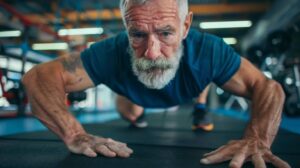
Effective strength training exercises for seniors include bodyweight movements, resistance band exercises, and light weightlifting. These exercises can be adapted to accommodate various fitness levels and physical limitations, ensuring safety while promoting strength gains. Common exercises include squats, modified push-ups, and seated rows, all of which can be performed in a supportive environment.
How Does Nutrition Coaching Complement Energy-Boosting Workouts?

Nutrition coaching is essential for maximizing the benefits of energy-boosting workouts. As seniors engage in physical activity, their nutritional needs change, requiring a focus on balanced diets rich in essential nutrients. Proper hydration and nutrient-dense foods can significantly enhance energy levels and recovery, making nutrition coaching a valuable addition to any fitness program.
Core Principles Personal Training offers personalized nutrition coaching to help seniors address their changing nutritional needs, focusing on healthy habits that promote increased energy and vitality.
Why Choose Small Group Personal Training for Seniors in Stamford CT?
Small group personal training provides a unique environment that fosters social interaction and motivation among seniors. This format allows participants to support one another while receiving personalized attention from trainers. small group personal training
How Does Personalized Coaching Address Individual Fitness Levels and Injuries?
Personalized coaching in a small group setting ensures that each participant’s individual fitness levels and any existing injuries are taken into account. Trainers can modify exercises to suit each person’s needs, promoting safety and effectiveness. This tailored approach helps seniors feel more comfortable and confident in their workouts.
What Is the Role of Motivation and Accountability in Senior Fitness?
Motivation and accountability are crucial components of successful fitness programs for seniors. In a small group setting, participants encourage each other, creating a sense of community and shared goals. Trainers also play a vital role in keeping clients accountable, helping them stay committed to their fitness journey.
How Can Fall Prevention and Mobility Exercises Enhance Senior Independence?
Fall prevention and mobility exercises are essential for maintaining independence in older adults. These exercises focus on improving balance, coordination, and strength, which are critical for reducing the risk of falls.
What Balance and Mobility Exercises Reduce Fall Risk for Older Adults?
Effective balance and mobility exercises include tai chi, standing leg lifts, and heel-to-toe walking. These activities help seniors develop the stability and coordination necessary to navigate their environments safely. Regular practice of these exercises can significantly reduce fall risk and enhance overall mobility.
How Does Functional Fitness Support Daily Activities for Seniors?
Functional fitness exercises mimic everyday movements, making them particularly beneficial for seniors. By improving strength and flexibility, these exercises enable older adults to perform daily tasks with greater ease and confidence. Examples include squatting to pick up objects, reaching overhead, and stepping up onto curbs.personal training
What Nutrition Strategies Support Active Seniors’ Energy and Healthy Aging?
Nutrition plays a pivotal role in supporting the energy levels and overall health of active seniors. Implementing effective nutrition strategies can enhance physical performance and promote healthy aging.
How Do Dietary Needs Change for Seniors Over 50?
As individuals age, their metabolism and nutritional requirements change. Seniors often need fewer calories but higher amounts of certain nutrients, such as protein, calcium, vitamin D, and vitamin B12. Understanding these changes is crucial for developing effective dietary plans that support energy and health.
What Are Practical Tips for Healthy Eating to Boost Senior Vitality?
Practical tips for healthy eating include:
- Incorporate More Fruits and Vegetables: Aim for a variety of colors to ensure a range of nutrients.
- Choose Whole Grains: Opt for whole grain bread, pasta, and cereals for added fiber and nutrients.
- Stay Hydrated: Drink plenty of water throughout the day to maintain energy levels and support overall health.
What Success Stories Demonstrate Confidence and Energy Gains from Senior Training?
Success stories from clients highlight the transformative impact of senior personal training on confidence and energy levels. These testimonials serve as powerful motivators for others considering similar programs.
How Have Clients Improved Strength and Self-Esteem Through Our Programs?
Many clients have reported significant improvements in their strength and self-esteem after participating in personalized training programs. For instance, one client shared how they were able to lift heavier weights and perform daily activities with greater ease, leading to a newfound sense of independence and confidence.
What Feedback Do Seniors Give About Their Energy and Well-Being Improvements?
Feedback from seniors often emphasizes the positive changes in their energy levels and overall well-being. Clients frequently express gratitude for the supportive environment and personalized attention they receive, which helps them stay motivated and engaged in their fitness journeys.
| Nutrition Strategy | Key Focus | Benefits |
|---|---|---|
| Balanced Diet | Nutrient-dense foods | Supports energy levels and overall health |
| Hydration | Adequate fluid intake | Enhances physical performance and recovery |
| Meal Planning | Structured eating | Ensures consistent nutrient intake |
Frequently Asked Questions
What qualifications should a senior personal trainer have?
A qualified senior personal trainer should possess certifications in personal training, with a focus on working with older adults. They should have knowledge of age-related physical changes, injury prevention, and exercise modifications. Additionally, certifications in nutrition and first aid can be beneficial. Experience in geriatric fitness and an understanding of common health issues faced by seniors, such as arthritis or osteoporosis, are also important to ensure safe and effective training programs.
How often should seniors engage in personal training sessions?
For optimal results, seniors should aim for at least two to three personal training sessions per week. This frequency allows for consistent progress in strength, flexibility, and overall fitness. Additionally, incorporating other forms of physical activity, such as walking or swimming, on non-training days can enhance results. It’s essential to tailor the frequency to individual fitness levels and goals, ensuring that the program remains enjoyable and sustainable.
Can seniors participate in personal training if they have chronic health conditions?
Yes, seniors with chronic health conditions can benefit from personal training, provided they work with a trainer experienced in managing such conditions. Trainers can design customized programs that accommodate specific health issues, ensuring safety while promoting fitness. It’s crucial for seniors to consult with their healthcare provider before starting any new exercise regimen, allowing for a collaborative approach to health and fitness.
What role does social interaction play in senior fitness programs?
Social interaction is a vital component of senior fitness programs, particularly in small group settings. Engaging with peers fosters a sense of community, motivation, and accountability, which can enhance adherence to fitness goals. Socializing during workouts can also reduce feelings of isolation and improve mental well-being. The camaraderie built in group training can make exercise more enjoyable and encourage seniors to stay committed to their fitness journeys.
How can seniors track their progress in personal training?
Seniors can track their progress through various methods, including keeping a fitness journal, using mobile apps, or working closely with their personal trainer. Regular assessments, such as measuring strength gains, flexibility improvements, and endurance levels, can provide tangible evidence of progress. Setting specific, achievable goals and celebrating milestones can also help maintain motivation and encourage continued participation in fitness programs.
What should seniors consider when choosing a personal training program?
When selecting a personal training program, seniors should consider the trainer’s qualifications, experience with older adults, and the program’s focus on safety and injury prevention. It’s also important to evaluate the training environment, whether it’s one-on-one or in a group setting, and the availability of equipment suitable for their fitness level. Additionally, seniors should look for programs that incorporate flexibility, strength, and balance training to address their unique needs.
Conclusion
Engaging in senior personal training offers numerous benefits, including enhanced physical strength, improved mental health, and increased confidence for older adults. By addressing the unique needs of seniors, these tailored programs foster a supportive environment that promotes overall well-being and independence. To take the next step in your fitness journey, consider exploring personalized training options that cater specifically to your goals. Discover how our expert trainers can help you achieve a healthier, more active lifestyle today.