By Haylen Alpert, Core Principles Personal Training
As we age, managing stress becomes increasingly important for maintaining overall health and well-being. Older adults often face unique stressors, including health concerns, social isolation, and changes in lifestyle. This article explores effective stress reduction strategies specifically tailored for older adults, focusing on techniques that promote relaxation, enhance mental health, and improve quality of life.
By understanding and implementing these strategies, seniors can better navigate the challenges of aging while fostering a sense of wellness and vitality. We will cover various methods, including breathing techniques, physical activity, mindfulness practices, and nutritional strategies, to provide a comprehensive guide for stress management.
Effective stress reduction strategies for older adults include:
Older adults can benefit from a variety of stress reduction strategies that cater to their specific needs. These methods not only help alleviate stress but also promote overall health and well-being. Here are some effective strategies:
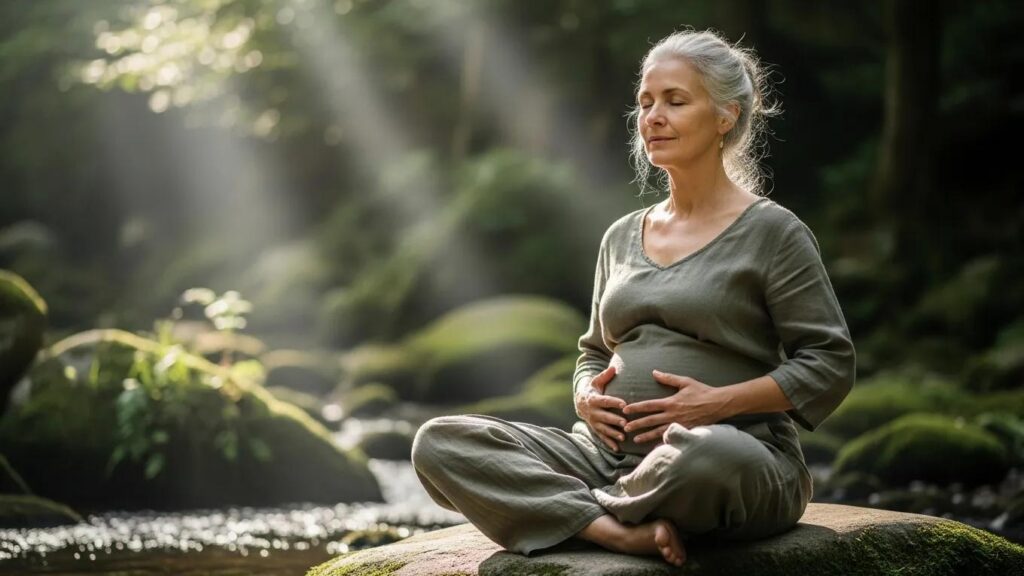
- Deep Belly Breathing: This technique engages the parasympathetic nervous system, promoting relaxation and reducing stress levels. It can be practiced anywhere and takes only a few minutes to implement.
- Progressive Muscle Relaxation (PMR): PMR involves systematically tensing and relaxing different muscle groups, which helps reduce muscle tension and stress. It can be easily integrated into daily routines and is effective for alleviating hypertension.
- Strength Training: Engaging in strength training not only builds physical strength but also boosts mental health and enhances confidence. Regular strength training can significantly improve the quality of life for older adults.
- Community Engagement: Social connections are vital for mental health. Community involvement provides motivation, reduces feelings of isolation, and supports overall well-being.
- Regular Physical Activity: Staying active enhances overall wellness, improves energy levels, and helps maintain independence. Regular physical activity is crucial for managing stress and promoting a healthy lifestyle.
- Tailored Workouts: Personalized exercise programs consider individual mobility and preferences, making physical activity more enjoyable and accessible for older adults.
- Mindfulness and Purposeful Movement: Mindfulness practices promote a connection to the body, reduce stress, and enhance overall well-being. Engaging in purposeful movement can help seniors feel more grounded and present.
What Are the Most Effective Stress Management Techniques for Seniors?
Seniors can utilize various stress management techniques to improve their mental health and overall quality of life. Some of the most effective methods include:
- Mindfulness Meditation: This practice encourages awareness of the present moment, helping to reduce anxiety and promote relaxation.
- Yoga: Combining physical movement with mindfulness, yoga can enhance flexibility, strength, and mental clarity.
- Nature Walks: Spending time in nature has been shown to lower stress levels and improve mood.
- Art Therapy: Engaging in creative activities can provide an emotional outlet and reduce feelings of stress.
How Does Physical Exercise Reduce Stress in Older Adults?
Physical exercise plays a crucial role in reducing stress among older adults. Engaging in regular physical activity releases endorphins, which are natural mood lifters. Exercise also helps to lower levels of the body’s stress hormones, such as adrenaline and cortisol. Furthermore, physical activity can improve sleep quality, enhance cognitive function, and foster social connections, all of which contribute to better stress management. For older adults, incorporating activities like walking, swimming, or group classes can be particularly beneficial.
Further studies underscore the broader impact of physical activity and community engagement on senior wellness and mental health. blog
Stress Management & Activity for Senior Wellness
This Doctor of Nursing Practice Project assessed whether attending community group meetings focusing on stress, staying active, and healthy eating during the holidays, could influence cardiovascular disease awareness, mental health awareness, and quality of life of senior citizens in Cleveland County. There was strong evidence that the group seminar on managing stress and staying active during the holiday season improved the mental health awareness of participants.
Heart Smart Holidays: Coping with Stress, Staying Active, and Healthy Cooking Strategies for Seniors in Cleveland County, 2023
Which Relaxation Methods Are Best Suited for the Elderly?
Several relaxation methods are particularly effective for older adults, including:
Research highlights the effectiveness of specific relaxation techniques in managing conditions like hypertension among older adults.
Deep Breathing & Relaxation for Elderly Hypertension
Hypertension is one of the degenerative diseases that often appear in the elderly. This starts with a person’s inability to control or maintain a stable condition of blood pressure in the body. The frequent visits of the elderly to the elderly Posyandu in Janti village with complaints and blood pressure above normal reflect the lack of efforts of the elderly in controlling or stabilizing blood pressure in the body. The aim of the study was to determine the effect of progressive muscle relaxation therapy andslow deep breathing on hypertension elderly blood pressure.
Effect of progressive muscle relaxation therapy and slow deep breathing on blood pressure of elderly with hypertension, SN Hasina, 2024
- Deep Breathing Exercises: Simple and accessible, these exercises can be done anywhere and help calm the mind.
- Guided Imagery: This technique involves visualizing peaceful scenes to promote relaxation and reduce stress.
- Gentle Stretching: Stretching can relieve tension in the body and promote a sense of calm.
How Can Mindfulness Exercises Improve Mental Health for Older Adults?
Mindfulness exercises can significantly enhance mental health for older adults by promoting emotional regulation and reducing symptoms of anxiety and depression. These practices encourage individuals to focus on the present moment, fostering a sense of peace and acceptance. Techniques such as mindful breathing, body scans, and meditation can help seniors develop greater awareness of their thoughts and feelings, leading to improved emotional resilience.
What Are Practical Mindfulness Practices for Seniors?
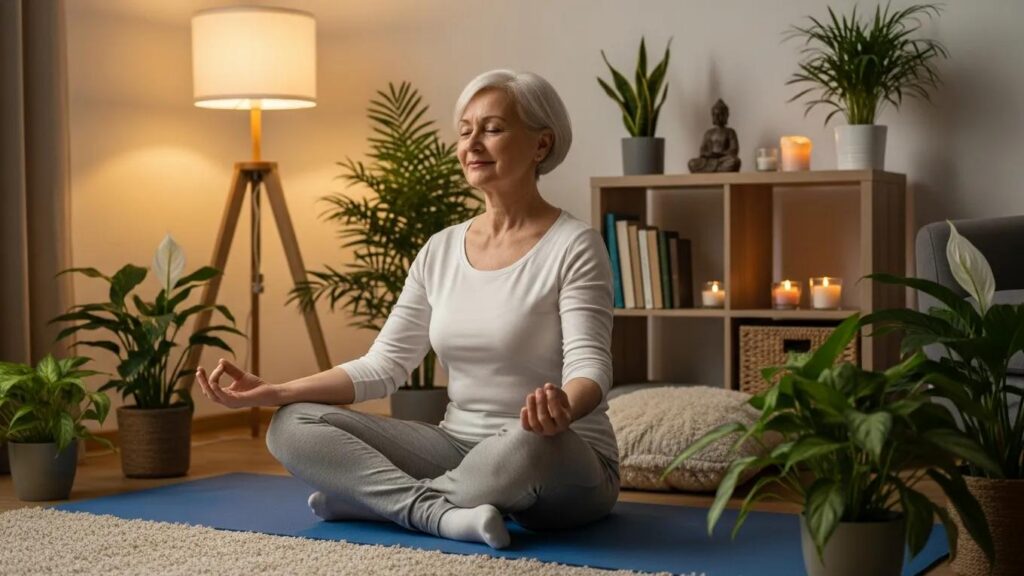
Here are some practical mindfulness practices that seniors can easily incorporate into their daily routines:
- Mindful Breathing: Taking a few moments each day to focus on the breath can help ground seniors and reduce stress.
- Body Scan Meditation: This practice involves mentally scanning the body for tension and consciously relaxing each area.
- Gratitude Journaling: Writing down things they are grateful for can shift focus from stressors to positive aspects of life.
How Does Mindfulness Enhance Sleep Quality in Adults Over 50?
Mindfulness practices can significantly enhance sleep quality in adults over 50 by reducing anxiety and promoting relaxation. Techniques such as meditation and deep breathing can help calm the mind before bedtime, making it easier to fall asleep and stay asleep. Research indicates that individuals who practice mindfulness regularly report improved sleep patterns and overall well-being.
Indeed, scientific research supports the direct link between mindfulness practices and improved sleep quality in older adults.
Mindfulness for Better Sleep in Older Adults
50% of persons 55 years and older have some form of sleep disturbance. This study evaluated a form of meditation for sleep problems in older adults to determine the effects of mental practice alone on improvements in sleep quality.
Mindfulness meditation and improvement in sleep quality and daytime impairment among older adults with sleep disturbances: a randomized clinical trial, DS Black, 2015
What Role Does Nutrition Play in Stress Reduction for Adults Over 50?

Nutrition plays a vital role in stress reduction for adults over 50. A balanced diet can help stabilize mood and energy levels, making it easier to cope with stress. Nutritional strategies that support stress management include:
- Incorporating Omega-3 Fatty Acids: Found in fish, flaxseeds, and walnuts, omega-3s can help reduce inflammation and improve mood.
- Eating a Variety of Fruits and Vegetables: These foods are rich in antioxidants, which can combat oxidative stress.
- Staying Hydrated: Proper hydration is essential for maintaining energy levels and cognitive function.
Which Nutritional Strategies Support Stress Management in Seniors?
Several nutritional strategies can effectively support stress management in seniors:
- Balanced Meals: Consuming a variety of foods from all food groups ensures adequate nutrient intake.
- Regular Meal Times: Establishing a routine can help stabilize blood sugar levels and mood.
- Limiting Processed Foods: Reducing intake of sugar and unhealthy fats can improve overall health and reduce stress.
How Does Balanced Diet Contribute to Healthy Aging and Stress Relief?
A balanced diet contributes to healthy aging and stress relief by providing essential nutrients that support physical and mental health. Nutrients such as vitamins, minerals, and antioxidants play a crucial role in maintaining bodily functions and preventing chronic diseases. Additionally, a well-rounded diet can enhance mood and energy levels, making it easier for older adults to manage stress effectively.
Personalized Coaching for Stress Relief in Newfield and Westover
Personalized coaching programs can significantly support stress relief in older adults by offering tailored guidance and support. These programs often include customized fitness and nutrition plans that cater to individual needs and preferences. By focusing on personal goals and providing accountability, coaching can empower seniors to adopt healthier lifestyles and effectively manage stress.
What Are the Benefits of Tailored Personal Training for Stress Reduction?
Tailored personal training offers numerous benefits for stress reduction among older adults, including:
- Individualized Attention: Trainers can create customized workout plans that consider each client’s unique abilities and goals.
- Motivation and Accountability: Regular sessions with a trainer can help seniors stay committed to their fitness routines.
- Improved Physical Health: Enhanced strength and fitness levels can lead to increased confidence and reduced stress.
How Does Nutrition Coaching Enhance Stress Management Outcomes?
Nutrition coaching can enhance stress management outcomes by providing individuals with the knowledge and tools needed to make healthier food choices. Coaches can help seniors identify nutritional gaps in their diets and develop meal plans that support their health goals. By focusing on balanced nutrition, seniors can improve their overall well-being and resilience to stress.
| Nutritional Strategy | Benefit | Impact Level |
|---|---|---|
| Omega-3 Fatty Acids | Reduces inflammation and improves mood | High |
| Antioxidant-rich Foods | Combat oxidative stress and enhance health | High |
| Hydration | Maintains energy levels and cognitive function | Medium |
This table illustrates how various nutritional strategies can significantly impact stress management and overall health in older adults.
Frequently Asked Questions
What are some signs that an older adult may be experiencing high levels of stress?
Older adults may exhibit various signs of high stress, including changes in sleep patterns, increased irritability, withdrawal from social activities, and physical symptoms like headaches or stomach issues. They might also show a decline in their overall health, such as weight loss or neglecting personal hygiene. Recognizing these signs early can help caregivers and family members provide the necessary support and interventions to manage stress effectively.
How can family members support older adults in managing stress?
Family members can play a crucial role in supporting older adults by encouraging open communication about their feelings and stressors. Engaging them in social activities, promoting physical exercise, and participating in mindfulness practices together can also be beneficial. Additionally, providing assistance with daily tasks or encouraging them to seek professional help, such as counseling or stress management programs, can significantly enhance their well-being and reduce stress levels.
Are there specific breathing techniques that are particularly effective for seniors?
Yes, specific breathing techniques can be particularly effective for seniors. Deep belly breathing, also known as diaphragmatic breathing, helps activate the body’s relaxation response. Another effective method is the 4-7-8 technique, where one inhales for four seconds, holds the breath for seven seconds, and exhales for eight seconds. These techniques can help reduce anxiety, improve oxygen flow, and promote a sense of calm, making them ideal for older adults.
What role does social interaction play in stress management for older adults?
Social interaction is vital for stress management in older adults as it helps combat feelings of loneliness and isolation. Engaging with friends, family, or community groups can provide emotional support, enhance mood, and foster a sense of belonging. Regular social activities can also stimulate cognitive function and encourage physical activity, both of which are essential for maintaining mental health and reducing stress levels in seniors.
How can older adults incorporate mindfulness into their daily routines?
Older adults can easily incorporate mindfulness into their daily routines by setting aside a few minutes each day for practices like mindful breathing or meditation. They can also engage in mindful walking, where they focus on their surroundings and sensations while walking. Additionally, activities such as gardening or cooking can be approached mindfully by paying attention to the process and sensations involved, helping to cultivate a sense of presence and reduce stress.
What are the benefits of group activities for stress relief in seniors?
Group activities offer numerous benefits for stress relief in seniors, including enhanced social connections and reduced feelings of isolation. Participating in group exercises, art classes, or community events fosters a sense of belonging and shared experience. These activities can also provide motivation and accountability, encouraging seniors to stay active and engaged, which is crucial for maintaining mental and emotional well-being while managing stress effectively. blog
Conclusion
Implementing effective stress reduction strategies can significantly enhance the well-being of older adults, promoting relaxation and mental clarity. By embracing techniques such as deep breathing, mindfulness, and community engagement, seniors can navigate the challenges of aging with greater ease. The value of these practices lies in their ability to foster resilience and improve overall quality of life. Discover more about tailored programs and resources to support your journey towards stress management today.