
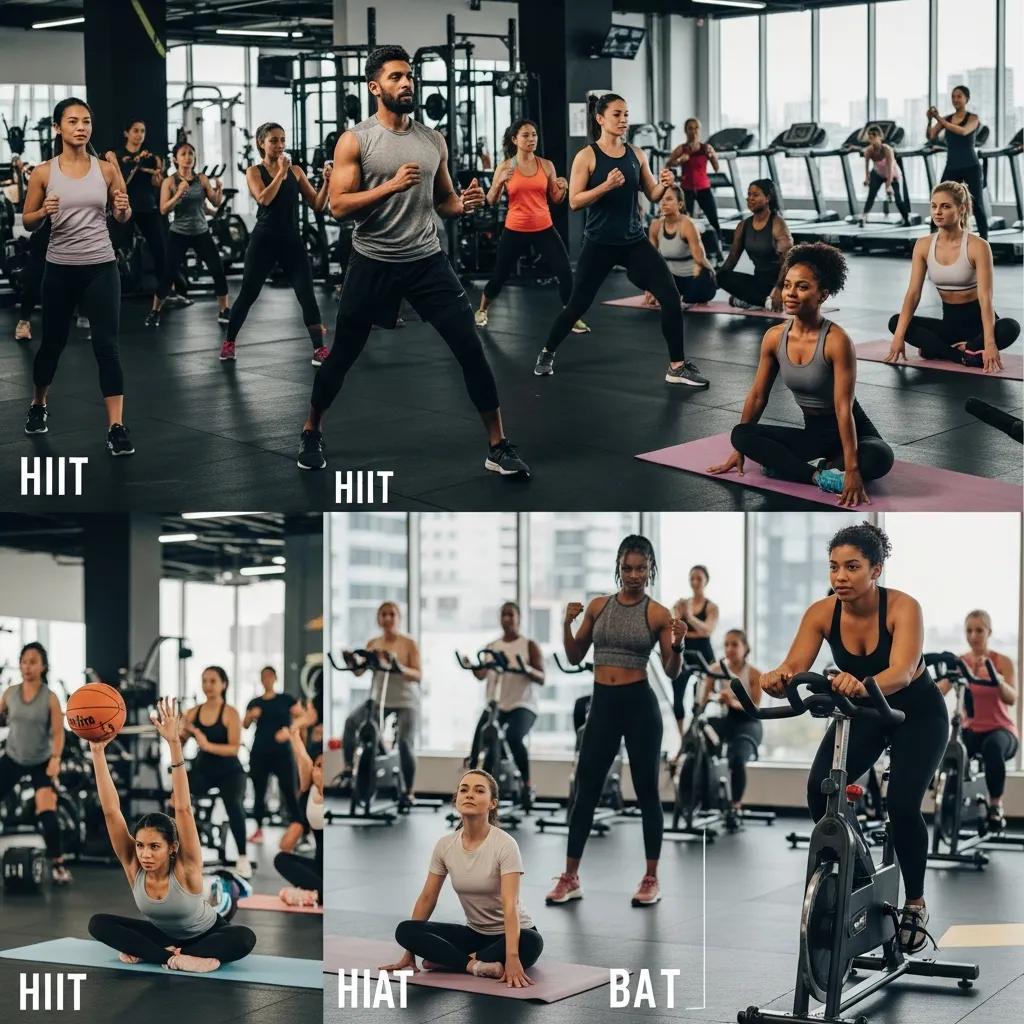
Choosing the right workout classes in Stamford can save you time and help you reach goals faster by matching class formats to your fitness level, schedule, and preferences. This guide explains what class types are commonly available in Stamford, how personal training complements group programming, where different gym and studio models fit, and a practical decision framework to pick classes for weight loss, strength, or flexibility.
Many readers are unsure whether to try HIIT, Pilates, yoga, spin, or one-on-one training; this article breaks down those options, lists benefits, and offers simple checklists for trialing classes. You’ll also find comparisons of class attributes and training formats to simplify choices, plus brief examples of local studio types in Stamford to illustrate where classes are commonly offered. Throughout, keywords like personal training in Stamford, workout classes in Stamford, and certified personal trainer Stamford are integrated to help you find relevant local options quickly.
What Types of Workout Classes Are Available in Stamford?
Workout classes in Stamford span several categories—group fitness, mind-body, strength, cardio, and specialty formats—each delivering different physiological and motivational benefits. Group fitness classes provide structured intervals and peer-driven intensity for cardiovascular improvement and calorie burn, while strength and resistance sessions focus on progressive overload to build muscle and metabolic rate. Mind-body classes such as yoga and Pilates emphasize mobility, core stability, and recovery, which support long-term performance and injury prevention. fitness programs
Understanding these categories makes it easier to select classes that align to a specific outcome like weight loss, mobility, or sport performance.
Intro to common class types and immediate benefits:
- HIIT (High-Intensity Interval Training): Fast cardio and calorie burn that improves VO2 max and metabolic rate.
- Strength / Resistance: Progressive loading to increase muscle and functional strength.
- Spin / Indoor Cycling: Low-impact cardio with high intensity and interval options.
- Reformer Pilates / Mat Pilates: Core strength, posture improvement, and controlled mobility.
- Vinyasa / Hot / Restorative Yoga: Flexibility, stress reduction, and mobility work.
- Barre: Small-muscle endurance and core stabilization with low-impact repetition.
- Bootcamp / Circuit / Functional Training: Mixed modalities for conditioning and practical strength.
This quick list highlights where each class typically excels, and the next subsections explain how classes scale to different fitness levels and the distinctions among mind-body options.
Which Group Fitness Classes in Stamford Fit Different Fitness Levels?
Group fitness classes scale widely through pacing, modification, and coach cues, making many formats accessible to beginners while still challenging advanced participants. Beginner-friendly sessions often emphasize fundamentals, lower-impact options, and clear progressions; examples include beginner strength, introductory spin, and foundational HIIT with longer rest intervals.
Intermediate and advanced classes accelerate intensity by shortening rest, increasing load, or adding complex movements; participants should listen for technique cues and modify to avoid injury. When trying a new group class in Stamford, arrive early to introduce yourself to the instructor, request modifications, and treat the first few sessions as assessments to set appropriate intensity.
What Mind-Body Classes Like Yoga and Pilates Are Offered in Stamford?
Mind-body classes in Stamford typically include multiple yoga styles (Vinyasa, Hot, Restorative) and Pilates formats (Reformer and Mat), each emphasizing different outcomes like flexibility, core strength, or recovery. Vinyasa yoga links breath to movement for cardiovascular benefits and mobility, while Hot Yoga adds thermogenic intensity and deeper stretching; Restorative focuses on relaxation and nervous system recovery.
Reformer Pilates uses specialized equipment for added resistance and precision in core and postural training, whereas Mat Pilates emphasizes bodyweight control and accessibility for beginners. Trying a beginner-level session or a drop-in class helps you compare teacher cueing and class pacing before committing to a schedule.
Before the table below, note this quick orientation: the table compares class types, typical intensity, and best goals to help you match a class to what you want to achieve.
| Class Type | Typical Intensity | Best For |
|---|---|---|
| HIIT | High, interval-based | Weight loss, conditioning |
| Strength / Resistance | Moderate–High, progressive | Muscle gain, metabolic health |
| Spin / Cycling | Moderate–High, low impact | Cardio endurance, calorie burn |
| Reformer Pilates | Moderate, controlled resistance | Core strength, posture |
| Vinyasa Yoga | Moderate, flow-based | Flexibility and mobility |
How Can Personal Training in Stamford Help You Achieve Your Fitness Goals?
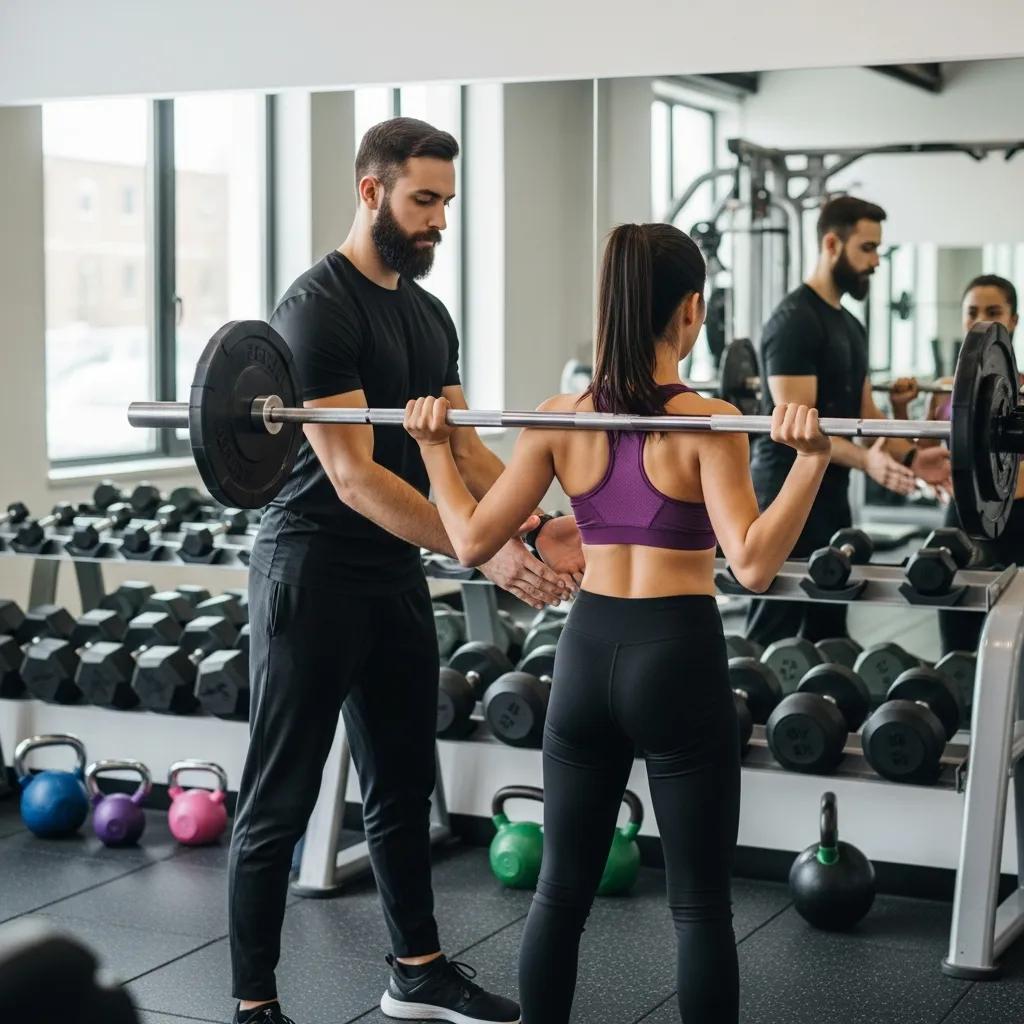
Personal training in Stamford customizes programming to individual assessments, leveraging targeted progressions and technique coaching to accelerate results and reduce injury risk. Trainers perform baseline assessments—movement screens, strength tests, and goal interviews—and then build periodized plans that integrate class attendance, targeted strength work, and recovery strategies.
Personal training formats vary (one-on-one, small group, virtual), and each offers different balances of personalization, cost, and accountability. Working with a certified trainer ensures programming matches your physiology and objectives while providing measurable progress tracking to keep you on course.
Personal training delivers clear benefits; here’s a short list with practical outcomes:
- Personalized Programming: Programs tailored to movement limitations and goals, improving efficiency.
- Technique Correction: Hands-on or coached adjustments that reduce injury risk and improve results.
- Accountability and Motivation: Scheduled sessions and coach feedback increase adherence.
- Progress Tracking: Objective measures and adjustments accelerate goal attainment.
These benefits lead logically to comparing formats; the table below outlines one-on-one, small group, and virtual training so you can decide which format fits your budget and lifestyle.
| Training Format | Cost Expectation / Benefit | Best Use Case |
|---|---|---|
| One-on-one | Higher cost, maximum personalization | Rehab, rapid strength gains |
| Small group | Moderate cost, social accountability | Cost-effective technique work |
| Virtual | Variable cost, flexible scheduling | Busy schedules or hybrid support |
This comparison helps set expectations about personalization and value when choosing a certified personal trainer; when vetting trainers, look for recognized credentials such as NASM certification as a signal of evidence-based practice and assessment-driven programming.
What Are the Benefits of One-on-One and Small Group Personal Training?
One-on-one training offers focused corrective coaching, individualized progressions, and fast adaptations for specific goals such as rehabilitation or significant strength gains. Small group training delivers similar programming principles at lower per-person cost while adding peer accountability and social motivation that improves attendance and enjoyment. Both formats support consistent progression through measurable programming, but the choice depends on budget, need for specialization, and preference for social interaction. Consider starting with a short block of one-on-one sessions to learn technique, then transition to small group sessions for maintenance and community support.
How Do Certified Trainers in Stamford Customize Workout Plans?
Certified trainers typically begin with a structured intake and movement assessment, identify limitations and objectives, and then design phased programs that use progressive overload, recovery scheduling, and periodic re-testing. Trainers combine strength, mobility, and conditioning elements appropriate to your goal—weight loss, sport performance, or injury prevention—and adapt volume and intensity based on progress data. Integration with nutrition coaching or recovery services enhances outcomes, especially when scheduled around classes and personal sessions. When evaluating trainers, ask about assessment methods, progress metrics, and relevant certifications like NASM to ensure evidence-based programming.
Which Are the Best Gyms and Fitness Studios in Stamford for Your Workout Needs?
Choosing the right gym or studio in Stamford depends on whether you prioritize broad amenities, boutique class quality, or community focus; options range from luxury health clubs to boutique studios and community centers. Luxury clubs typically offer extensive equipment, pools, and recovery services, while boutique studios concentrate on specialized class formats such as reformer Pilates, HIIT, or barre. Community centers often provide accessible pricing and multi-generational programming, including senior fitness and introductory classes. Considering these models helps you match environment, schedule, and budget to your training plan.
Below is a short comparison of studio/gym types and what they commonly provide to inform your search during trial visits.
| Studio/Gym Type | Typical Amenities | Value Proposition |
|---|---|---|
| Luxury Health Club | Pools, varied classes, recovery services | All-in-one convenience |
| Boutique Studio | Focused class formats, specialized instructors | Depth of expertise |
| Community Center / JCC | Affordable classes, multi-age programming | Accessibility and community |
Summary: use this checklist to evaluate fit during a trial visit—class quality, instructor credentials, schedule alignment, and facility cleanliness are primary decision drivers that determine long-term adherence and value.
After outlining these categories, here are brief, factual local examples of where these studio types appear in Stamford to illustrate options without promoting a single provider. Stamford’s market includes large health clubs and luxury options, boutique studios focused on Pilates or HIIT, and community centers such as the Stamford JCC. Names you may encounter locally include Chelsea Piers Fitness, Life Time Stamford Downtown, Club Pilates Stamford, F45 Training Stamford, and Stamford JCC; these represent the range from large clubs to specialty studios and community facilities.
What Amenities and Class Options Should You Look for in Stamford Gyms?
When evaluating amenities and classes, prioritize safe, well-maintained equipment, certified instructors, and a schedule that matches your availability for consistent attendance. Must-have items include qualified teaching staff, clear class descriptions, adequate floor space, and basic recovery options such as stretching areas; nice-to-have features include pools, saunas, and on-site physical therapy. Accessibility factors—hours, proximity, and parking or transit access—affect consistency, so pick a location you can use regularly. During trial visits, observe class sizes, instructor cueing, and member interactions to judge whether the environment supports your goals and comfort level.
How Do Pricing and Memberships Compare Among Stamford Fitness Centers?
Pricing models in Stamford typically fall into all-access memberships, class packs, drop-in rates, and add-on personal training, with cost influenced by location, amenities, and boutique specialization rather than a single standard price. Expect boutique studios to favor class packs or monthly unlimited models, luxury clubs to offer tiered memberships with extra services, and community centers to emphasize lower cost or subsidized rates.
When choosing a plan, evaluate expected frequency of use: unlimited plans suit frequent attendees while class packs reduce commitment risk for occasional users. Value assessment should weigh instructor quality, schedule fit, and inclusion of recovery/wellness services rather than price alone.
How Do You Choose the Right Workout Class Based on Your Specific Fitness Goals?
Choosing the right class starts by defining a primary goal, assessing current fitness level, and then matching class types and frequency to that goal with a simple weekly plan. For weight loss, combine high-intensity cardio classes with resistance training and two recovery sessions; for strength, emphasize progressive resistance classes and targeted personal training; for flexibility and mobility, prioritize yoga and Pilates with consistent short practice.
Trial classes and short consultations with trainers help refine intensity and scheduling. The checklist below maps goals to recommended class mixes and sample frequency to jump-start planning.
- Weight Loss: HIIT 2×/week + Strength 2×/week + Active recovery/yoga 1×/week.
- Strength: Strength classes 3×/week + targeted personal training 1×/week + mobility sessions.
- Flexibility/Mobility: Yoga or Pilates 3×/week + mobility drills post-class 2×/week.
This practical mapping helps you create a 3–4 day weekly schedule that balances stimulus and recovery; adjust frequency upward as fitness and recovery capacity improve.
Which Classes Are Best for Weight Loss, Strength, or Flexibility in Stamford?
For weight loss, prioritize calorie-dense sessions like HIIT and spin combined with resistance work to preserve muscle and boost resting metabolic rate. For strength goals, select progressive resistance classes, compound lifts, and supplement group classes with occasional personal training focused on periodization. For flexibility and mobility, choose restorative and flow yoga, plus reformer Pilates for controlled strength through range of motion.
A sample 3-day plan could blend one cardio interval session, one full-body strength class, and one yoga or Pilates recovery session to address each domain efficiently.
How Can Community and Supportive Environments Enhance Your Fitness Journey?
Community and social support increase adherence, enjoyment, and long-term behavior change by creating accountability, shared goals, and friendly competition that motivates regular attendance. Features to observe include instructor engagement, member interactions before/after class, and organized challenges or cohort programs that foster bonds.
Use trial classes to test community fit—notice tone, inclusiveness, and whether instructors encourage progress for all levels. A supportive environment turns classes into habits and helps sustain progress beyond isolated workouts.
Frequently Asked Questions
What should I consider when trying a new workout class for the first time?
When trying a new workout class, it’s essential to arrive early to familiarize yourself with the environment and introduce yourself to the instructor. This allows you to ask about modifications and express any concerns regarding your fitness level. Pay attention to the class structure and pacing, and don’t hesitate to modify exercises to suit your abilities. Treat your first few sessions as assessments to gauge intensity and find the right fit for your goals.
How often should I attend workout classes to see results?
To see significant results, aim to attend workout classes at least three to four times a week, depending on your fitness goals. For weight loss, a combination of high-intensity cardio and strength training is effective. If your focus is on building strength, prioritize resistance classes and personal training sessions. Consistency is key, so choose a schedule that fits your lifestyle and allows for adequate recovery between sessions.
Can I combine different types of workout classes in my routine?
Absolutely! Combining different types of workout classes can enhance your overall fitness and prevent boredom. For instance, you can mix high-intensity interval training (HIIT) with strength training and yoga for a balanced approach. This not only targets various fitness components—like strength, flexibility, and endurance—but also keeps your routine fresh and engaging. Just ensure that your schedule allows for recovery time between intense sessions.
What should I look for in a personal trainer?
When selecting a personal trainer, consider their qualifications, experience, and training style. Look for certifications from recognized organizations, such as NASM or ACE, which indicate a solid foundation in fitness principles. Additionally, assess their ability to communicate effectively and provide personalized programming based on your goals and limitations. A good trainer should also track your progress and adjust your plan as needed to ensure continuous improvement.
How can I stay motivated to attend classes regularly?
Staying motivated to attend classes regularly can be achieved through several strategies. Setting specific, achievable fitness programs can provide direction and purpose. Additionally, finding a workout buddy or joining a supportive community can enhance accountability and make classes more enjoyable. Lastly, varying your routine by trying new classes or instructors can keep things exciting and prevent burnout, helping you maintain a consistent attendance.
What are the benefits of group fitness classes compared to personal training?
Group fitness classes offer a social environment that can enhance motivation and enjoyment through shared experiences. They typically provide structured workouts led by an instructor, making them accessible and cost-effective. In contrast, personal training offers tailored programming and individualized attention, which can lead to faster results, especially for specific goals or rehabilitation. Ultimately, the choice depends on your personal preferences, budget, and fitness objectives.
How do I know if a gym or studio is the right fit for me?
To determine if a gym or studio is the right fit, consider factors such as location, amenities, class offerings, and the overall atmosphere. Visit during trial sessions to assess the cleanliness, equipment quality, and instructor engagement. Pay attention to class sizes and member interactions, as a supportive community can enhance your experience. Finally, ensure that the schedule aligns with your availability to promote consistent attendance.
Conclusion
Choosing the right workout classes in Stamford can significantly enhance your fitness journey by aligning your goals with the appropriate formats and training styles. With options ranging from HIIT to yoga, you can find classes that cater to your specific needs, whether it’s weight loss, strength, or flexibility. Engaging in a supportive community and utilizing personal training can further accelerate your progress and keep you motivated. Start exploring local fitness programs today to discover the perfect fit for your fitness aspirations.