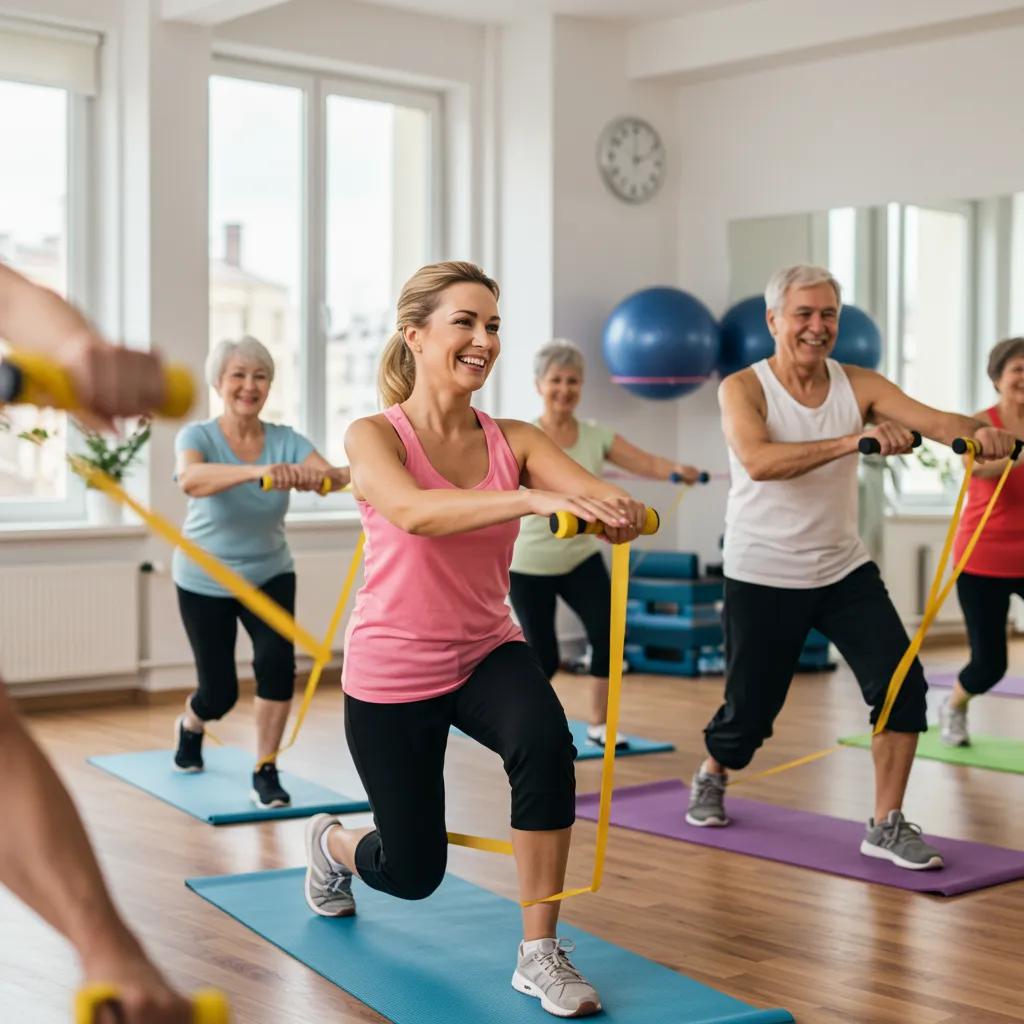
Workout classes for older adults are structured group exercise sessions that combine strength, balance, flexibility, and aerobic training to preserve independence and reduce fall risk. These classes work by targeting physiological mechanisms—muscle hypertrophy, neuromuscular coordination, cardiovascular conditioning—and by delivering social and cognitive stimulation that supports mental health. Readers will learn why classes matter for healthy aging, which formats best match common goals, how Stamford’s community resources enhance access, and practical steps to get started safely.
Many older residents face mobility decline, chronic conditions, or social isolation; evidence-based group programs address all three by blending targeted exercise, qualified instruction, and peer support. This article outlines the physical and cognitive benefits, compares class types with a concise EAV table, surveys local facility types and trainer qualifications, and provides a clear starter checklist so seniors and caregivers can choose classes that promote long-term function and quality of life.
Why Are Workout Classes Essential for Healthy Aging in Stamford?
Workout classes are essential because they deliver structured, repeated stimuli that preserve physiological systems and reduce age-related decline through measurable mechanisms. Regular group exercise promotes muscle mass preservation, improved balance and cardiovascular health, which together lower fall risk and maintain functional independence. Classes also create social engagement and cognitive challenge that reduce isolation and support mood and sleep. Below is a compact mapping of key benefits to how they work, summarizing why group formats are efficient for older adults and caregivers looking for reliable outcomes.
| Benefit Area | Mechanism | Value |
|---|---|---|
| Strength training | Progressive resistance increases muscle mass and power | Preserves independence for daily activities |
| Balance training | Proprioceptive and vestibular challenges improve coordination | Reduces fall risk and injury likelihood |
| Aerobic conditioning | Sustained moderate activity improves cardiovascular function | Lowers chronic disease risk and fatigue |
| Flexibility & mobility | Targeted stretching and joint mobility drills | Improves range of motion for ADLs |
This mapping clarifies that each class component targets distinct physiological systems, which together create robust protection against common aging problems, and sets up a closer look at specific physical gains next.
What Physical Benefits Do Seniors Gain from Group Fitness Classes?
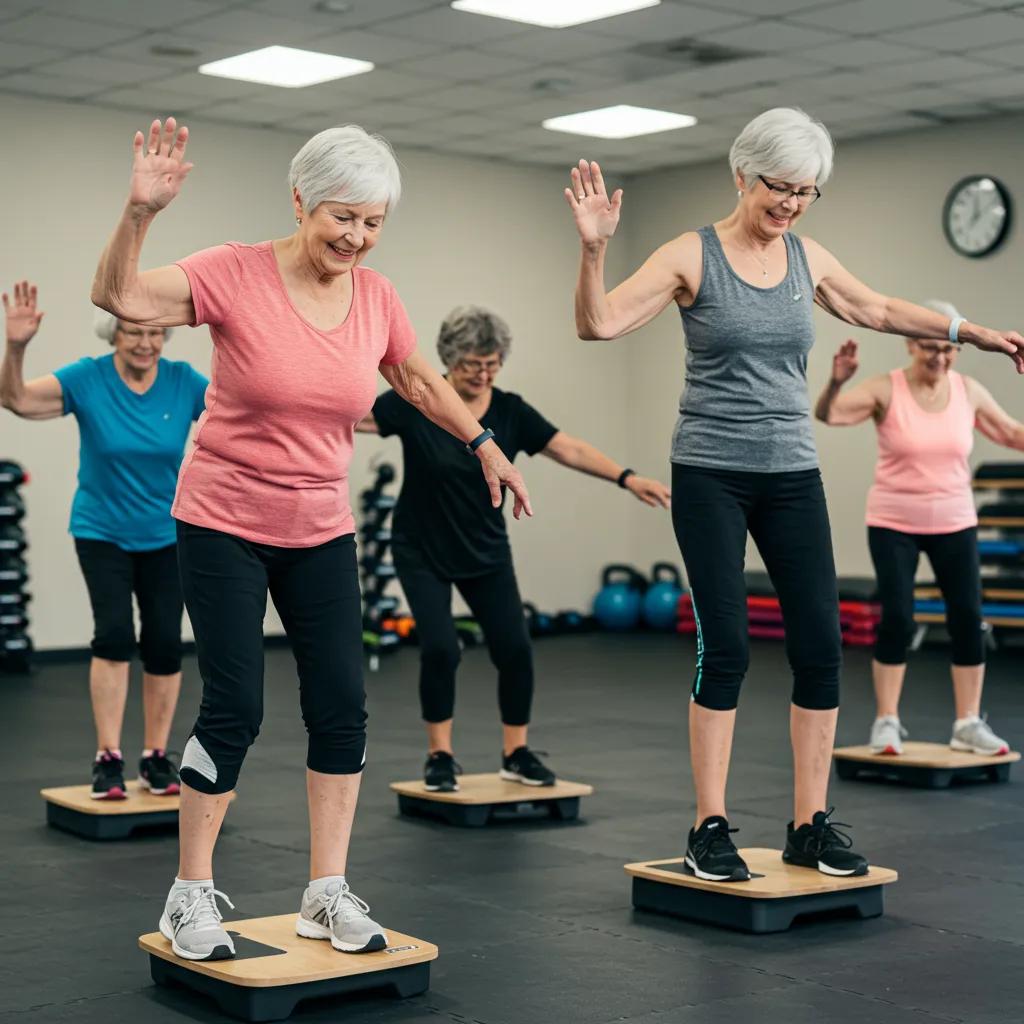
Group fitness classes for older adults improve strength, balance, mobility, and cardiovascular endurance through repeated, progressive sessions led by instructors. Strength-focused sets preserve muscle mass and functional power used for standing, stair climbing, and carrying items, directly supporting independence. Balance drills—tandem stance, single-leg practice, perturbation work—retrain neuromuscular responses and reduce fall incidence. Improved cardiovascular fitness increases stamina for daily tasks and reduces risk factors for heart disease and diabetes.
A practical progression example starts with bodyweight and resistance-band work, advances to light weights for 8–12 repetitions, and integrates dual-task balance challenges to transfer gains to real-world function.
Research indicates that physical activity programs specifically designed for balance and fall prevention are crucial for enhancing stability in elderly adults.
How Do Workout Classes Improve Mental Well-being and Cognitive Function in Older Adults?
Beyond physical gains, group exercise enhances mood, cognition, and social connection by combining aerobic and resistance training with a communal setting that reduces isolation. Aerobic activity supports neuroplasticity and vascular health, which recent studies link to improved executive function and processing speed, while resistance training correlates with better memory performance.
Social interaction during classes lowers loneliness and depressive symptoms, and the routine of scheduled sessions supports sleep and daily structure. These psychological effects reinforce physical adherence—improved mood increases motivation to continue—which creates a virtuous cycle of sustained healthy aging outcomes.
Studies have explored the impact of general group-based exercise programs on cognitive performance and mood among seniors, demonstrating potential benefits.
Which Types of Workout Classes Best Support Active Aging in Stamford?
Different class formats serve distinct goals; matching format to goal produces better outcomes and higher adherence among older adults.
Small group personal training offers individualized progress within a social cohort, balance and fall-prevention classes focus explicitly on coordination, aqua fitness reduces joint stress, and chair-based or low-impact cardio classes prioritize accessibility. The table below compares common class types, typical structure, and one-line benefits to help seniors choose based on goals like fall prevention, pain management, or strength building.
| Class Type | Typical Structure | Ideal Outcome |
|---|---|---|
| Small group personal training | 4–8 participants, individualized modifications | Strength and functional improvement with peer support |
| Balance & fall-prevention class | Focused balance drills, gait training, reactive practice | Reduced fall risk and improved stability |
| Aqua fitness | Pool-based low-impact cardio and resistance | Joint-friendly aerobic conditioning and pain relief |
| Chair-based exercise | Seated strength, mobility, and circulation work | Accessible option for limited mobility participants |
| Yoga/Pilates | Flexibility, core stability, and breath work | Improved posture, core control, and flexibility |
These formats represent hyponyms of group fitness and can be combined in a weekly plan to cover strength, balance, flexibility, and cardio needs.
What Are the Benefits of Small Group Personal Training for Stamford Seniors?
Small group personal training combines personalization with social motivation and cost-efficiency, delivering measurable progress while allowing safe scaling for chronic conditions. In groups of roughly six to ten, instructors can tailor movements, track outcomes, and provide hands-on cueing when needed, which supports adherence and reduces injury risk. Peer accountability increases attendance, and frequent progress checks allow objective tracking of strength and balance improvements. A typical 45–60 minute session includes warm-up, progressive resistance, targeted balance work, and cool-down flexibility—an efficient structure that transfers directly to daily function.
Which Specialized Group Fitness Classes Are Available for Older Adults in Stamford?
Specialized classes address varying needs: aqua classes ease joint pain, Tai Chi emphasizes slow coordinated movements for balance, and chair-based formats ensure accessibility for those with limited mobility. Tai Chi and balance classes are particularly effective for fall prevention because they train postural control and mindful movement. Aqua fitness provides cardiovascular benefits with minimal joint compression, making it ideal for arthritis management. Yoga and Pilates build core strength and flexibility that support posture and reduce back pain. Matching class modality to a senior’s primary limitation—joint pain, instability, low endurance—optimizes benefits.
Developing tailored exercise programs is essential for older adults, as age-related deficits can increase fall risk, necessitating a focus on balance and strength.
How Does Stamford’s Community and Fitness Centers Enhance Senior Exercise Programs?
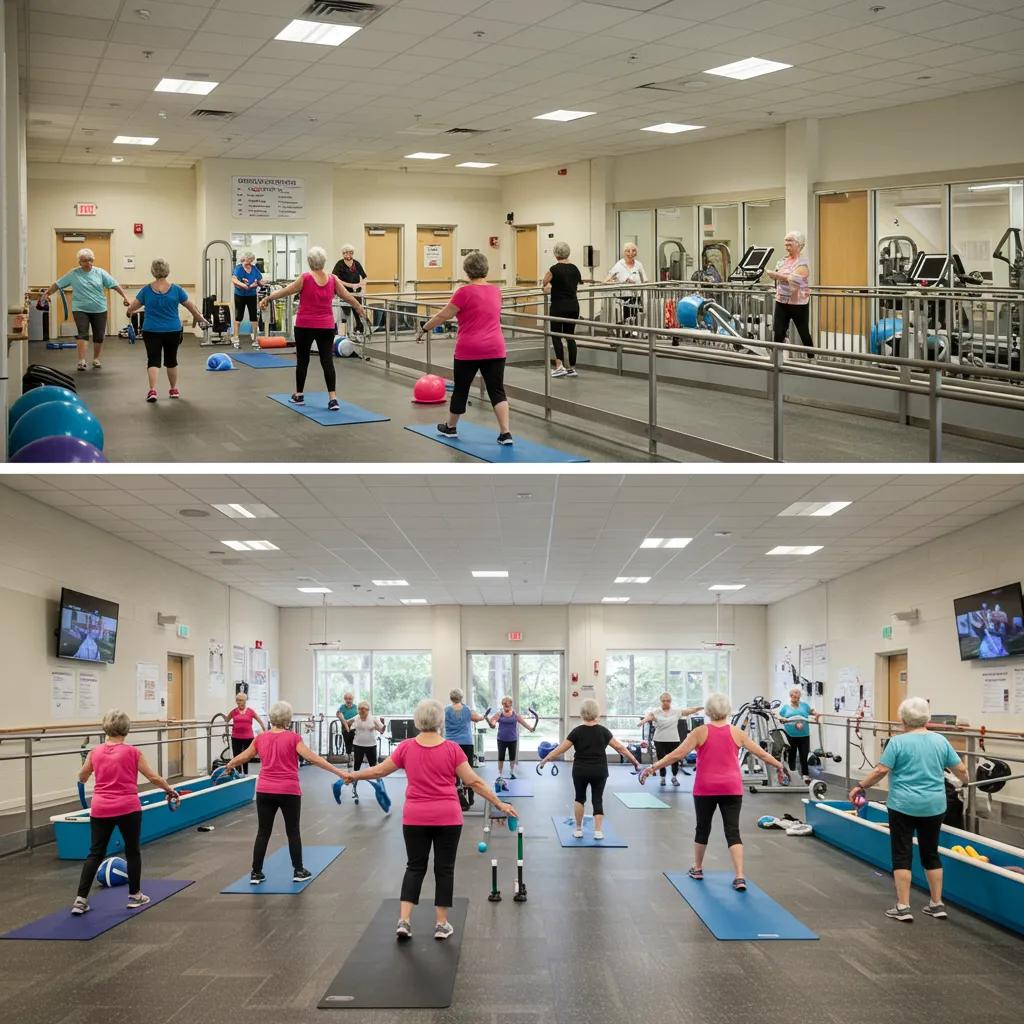
Stamford’s local infrastructure—community centers, municipal senior centers, fitness clubs, and JCC/YMCA-type organizations—creates multiple access points for older adults to join evidence-based classes. These facility types often vary in cost, amenities, and scheduling but commonly offer group classes, pool access, and specialized older-adult programming that reduce barriers like transportation and affordability. Community partnerships with healthcare providers or municipal aging services can also expand outreach and subsidize participation. When evaluating local options, look for accessible parking, transit links, and schedule variety to maintain consistent attendance.
- Community centers frequently provide low-cost, regular classes suitable for social engagement.
- Commercial gyms commonly run small group personal training and specialized active-aging programs.
- JCCs and YMCAs often combine aquatics, group exercise, and senior-specific wellness services.
Selecting among these facility types depends on personal priorities—cost, proximity, class times—and the availability of certified staff to ensure safety and progression. This landscape description naturally leads to the importance of certified trainers and evidence-based program design.
What Local Facilities Offer Senior Fitness Classes in Stamford?
Local facilities typically include municipal senior centers that offer affordable classes, commercial fitness clubs that provide small-group training and community Y/JCC-style centers that blend aquatics with older-adult programming. Seniors should expect to find low-impact aerobics, balance workshops, water exercise, and multi-component strength classes across these sites. Consider accessibility features—ramps, elevators, non-slip flooring—and schedule flexibility including daytime and off-peak classes. Transportation options and nearby parking matter for regular attendance, and seasonal programming can expand choices throughout the year.
How Do Certified Trainers and Evidence-Based Programs Support Safe Aging?
Certified trainers use assessments, progression frameworks, and monitoring to tailor exercise safely for chronic conditions and age-related limitations, which reduces injury risk and accelerates gains. Look for credentials and evidence-based approaches—functional assessments, individualized progressions, and integration of strength, balance, aerobic, and flexibility components—that align with CDC and National Institute on Aging recommendations. Regular re-assessment and tracking of outcomes (gait speed, sit-to-stand tests, balance scores) validate program effectiveness. Trainers who understand common geriatric concerns can adapt exercises for joint pain, osteoporosis precautions, and post-rehab limitations, ensuring both safety and measurable benefit.
How Can Seniors Get Started with Workout Classes to Promote Healthy Aging in Stamford?
Beginning a class program starts with a simple sequence: get a baseline assessment, try trial classes, and choose programs based on safety and goals. An initial assessment—either with a qualified trainer or healthcare provider—identifies mobility limits, medical precautions, and realistic goals, creating a tailored plan. Trial classes help evaluate instructor communication, class pacing, and social fit.
Consistent tracking of simple metrics like balance tests or walking distance every 4–8 weeks provides motivation and objective feedback. The checklist and table below summarize practical next steps and evaluation criteria to guide confident program selection.
Start here with this three-step checklist:
- Schedule an assessment: Obtain a baseline functional screen to identify limitations and risks.
- Attend trial sessions: Experience class pacing, instructor cues, and group dynamics before committing.
- Confirm certifications and accommodations: Ask about trainer experience with older adults and class modifications.
These steps move directly into actionable selection criteria summarized next.
| Program Feature | What to Ask | Meaning for Participant |
|---|---|---|
| Assessment offered? | Is there an initial functional screen or health questionnaire? | Ensures programming matches ability and reduces risk |
| Trainer certifications | Does staff hold NASM, ACSM, or senior-fitness credentials? | Indicates knowledge of aging-specific adaptations |
| Class size & ratio | What is the typical participant-to-instructor ratio? | Affects personalization and safety |
| Accessibility | Are facilities ADA-compliant and is transit/parking available? | Influences regular attendance and comfort |
Use this quick comparison when calling or visiting local providers to make an informed choice that balances safety, outcomes, and social fit.
What Should Seniors Consider When Choosing the Right Fitness Program?
When choosing a program, prioritize safety, instructor expertise, and alignment with personal goals like fall prevention or pain management. Confirm that instructors have experience with older adults and relevant certifications, and that classes include progression, monitoring, and modifications for common conditions. Evaluate whether class times match your routine and if the facility provides accessibility features and supportive peers. Small group sizes and measurable tracking encourage progress and accountability. Asking these specific questions when exploring options ensures you select a program that supports sustained participation and functional gains.
What Success Stories Highlight the Impact of Stamford’s Senior Fitness Classes?
Numerous anonymized examples illustrate measurable improvements: a participant who reduced fall-risk score by improving single-leg balance over 12 weeks, another who increased comfortable walking distance after twice-weekly small-group training, and a third who reported better sleep and mood following regular aerobic and social classes. These vignettes emphasize outcome-driven metrics—balance test improvements, gait speed increases, reduced reliance on assistance for daily tasks—that demonstrate how structured classes translate into regained independence. Sharing measurable results encourages others to try programs and highlights the combined physical and social value of group exercise for healthy aging.
Frequently Asked Questions
What should seniors look for in a workout class?
When selecting a workout class, seniors should prioritize safety, instructor qualifications, and class structure. Look for classes that offer personalized modifications and are led by certified trainers experienced in working with older adults. Additionally, consider the class size to ensure adequate attention from the instructor. Accessibility features, such as ADA compliance and transportation options, are also crucial for regular attendance. Finally, ensure the class aligns with personal fitness goals, whether it’s fall prevention, strength building, or improving flexibility.
How often should seniors participate in workout classes?
For optimal benefits, seniors should aim to participate in workout classes at least two to three times a week. This frequency allows for consistent engagement with physical activity, which is essential for maintaining strength, balance, and cardiovascular health. Regular attendance also fosters social connections, which can enhance mental well-being. It’s important to listen to one’s body and adjust the frequency based on individual fitness levels and recovery needs. Consulting with a healthcare provider can help determine the best schedule for each individual.
Can seniors with chronic conditions participate in workout classes?
Yes, seniors with chronic conditions can benefit from participating in workout classes, provided the classes are tailored to their specific needs. Many programs are designed to accommodate various health issues, such as arthritis, diabetes, or heart conditions. It’s essential for seniors to consult with their healthcare provider before starting any new exercise program. Additionally, instructors should be informed of any limitations to ensure safe participation and appropriate modifications during classes, allowing seniors to exercise safely and effectively.
What role does social interaction play in senior fitness classes?
Social interaction is a vital component of senior fitness classes, as it helps reduce feelings of isolation and loneliness. Engaging with peers during workouts fosters a sense of community and belonging, which can significantly enhance mental well-being. The camaraderie built in group settings encourages motivation and accountability, making it easier for seniors to stick to their fitness routines. Furthermore, social connections formed in these classes can lead to lasting friendships, further supporting emotional health and overall quality of life.
How can caregivers support seniors in starting workout classes?
Caregivers can play a crucial role in helping seniors start workout classes by providing encouragement and assistance with logistics. They can help seniors research local class options, accompany them to trial sessions, and assist with transportation if needed. Caregivers should also help seniors set realistic fitness programs and track their progress, which can boost motivation.
Additionally, discussing any concerns with healthcare providers can ensure that the chosen classes are safe and appropriate for the senior’s health status.
What are the signs that a senior is benefiting from workout classes?
Signs that a senior is benefiting from workout classes include improved physical abilities, such as increased strength, balance, and endurance. They may also experience enhanced mood, better sleep quality, and reduced feelings of loneliness. Additionally, seniors might report greater confidence in their mobility and daily activities, indicating improved functional independence. Regular feedback from instructors and measurable progress in fitness programs can also serve as indicators of success, reinforcing the positive impact of their participation in group exercise.
Conclusion
Participating in structured workout classes significantly enhances physical health, cognitive function, and social engagement for older adults. These classes not only reduce the risk of falls but also foster a sense of community, which is vital for mental well-being. By choosing the right program tailored to individual needs, seniors can enjoy long-term benefits that promote independence and quality of life. Start your journey towards healthier aging by exploring local class options today.