Combining targeted workout classes with nutrition coaching helps adults 55+ preserve muscle, strengthen bones, and boost day-to-day energy. This article explains how strength training, low-impact cardio, balance work, and personalized nutrition form an integrated roadmap for healthy aging in Stamford. Readers will learn why resistance and balance training are essential, which nutrients seniors need, how the two approaches amplify results, and where to find appropriate local programs.
Practical checklists, comparison tables, and quick-start steps make it easy to choose safe classes and begin a program that reduces fall risk, improves metabolic health, and supports independence. Current research shows that coordinated exercise plus adequate protein and vitamin D yields better outcomes than either strategy alone, and the sections below map those mechanisms into actionable choices for adults 55+ in Stamford. Throughout, you’ll find concise lists, EAV-style comparison tables, and clear next steps to get started with confidence.
Why Are Strength Training and Workout Programs Essential for Adults 55+ in Stamford?
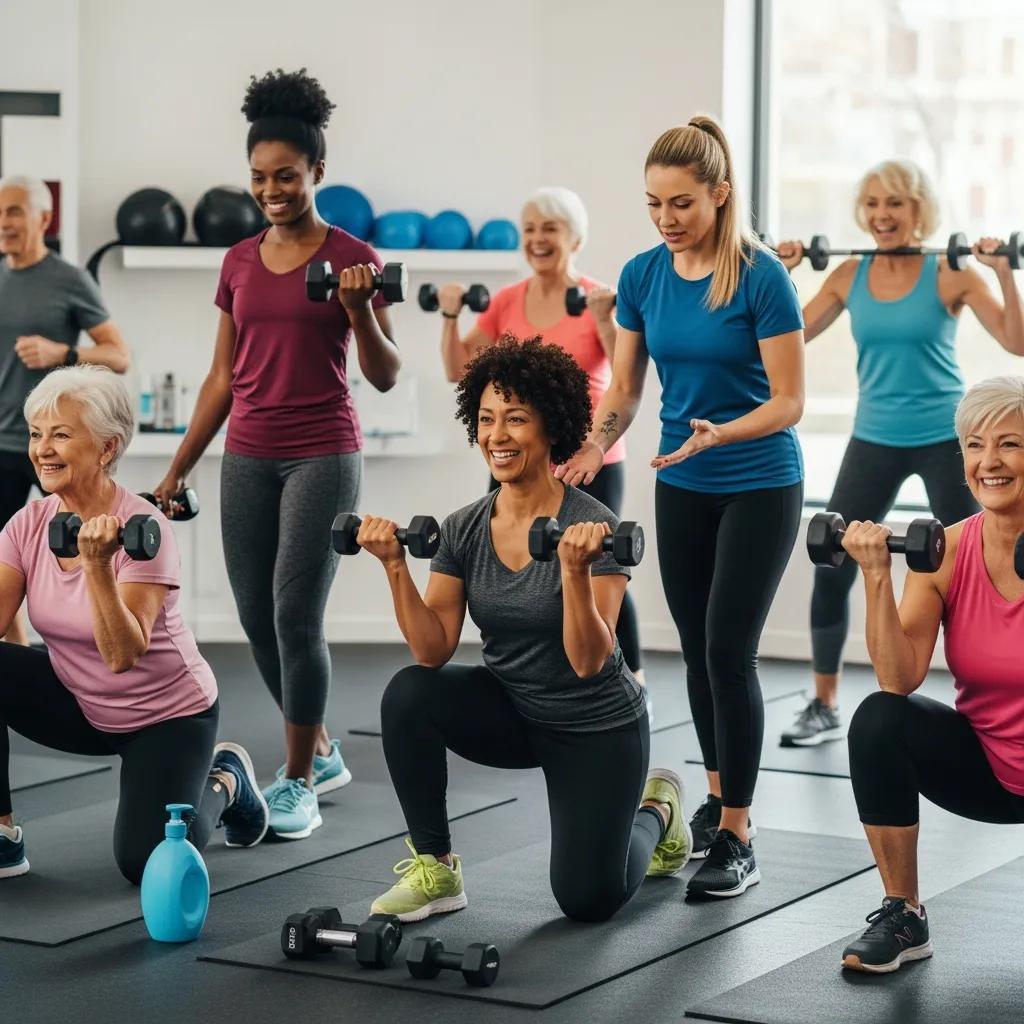
Strength training and structured workout classes preserve muscle mass, maintain bone density, and improve balance by providing targeted mechanical and metabolic stimuli. These programs work by imposing progressive overload on muscles and bone, which triggers muscle protein synthesis and osteogenic remodeling, producing measurable gains in strength and functional capacity. Consistent participation reduces fall risk, supports glucose regulation, and sustains independence for daily tasks. The next subsection outlines specific strength-training benefits and practical class choices that seniors can seek locally.
Strength training delivers several direct health benefits for older adults:
- Muscle preservation: Resistance sessions increase muscle protein synthesis and functional strength.
- Bone support: Weight-bearing exercises stimulate bone remodeling and density maintenance.
- Metabolic health: Improved muscle mass enhances glucose control and resting metabolic rate.
These benefits lead naturally to which class formats are safest and most effective for mobility improvement.
Different exercise formats offer distinct advantages depending on ability and goals.
| Exercise Type | Typical Intensity | Recommended Frequency | Primary Benefit |
|---|---|---|---|
| Strength training (machines/free weights) | Moderate to vigorous | 2–3× weekly | Muscle mass & strength |
| Low-impact cardio (recumbent bike, elliptical) | Light to moderate | 3–5× weekly | Endurance & heart health |
| Balance/mobility classes (Tai Chi, stability drills) | Low | 2–3× weekly | Fall risk reduction |
| Aquatic exercise | Low | 2–3× weekly | Joint-friendly cardio |
This comparison helps seniors pick class combinations that match functional goals and safety needs.
What Are the Benefits of Strength Training for Older Adults in Stamford?
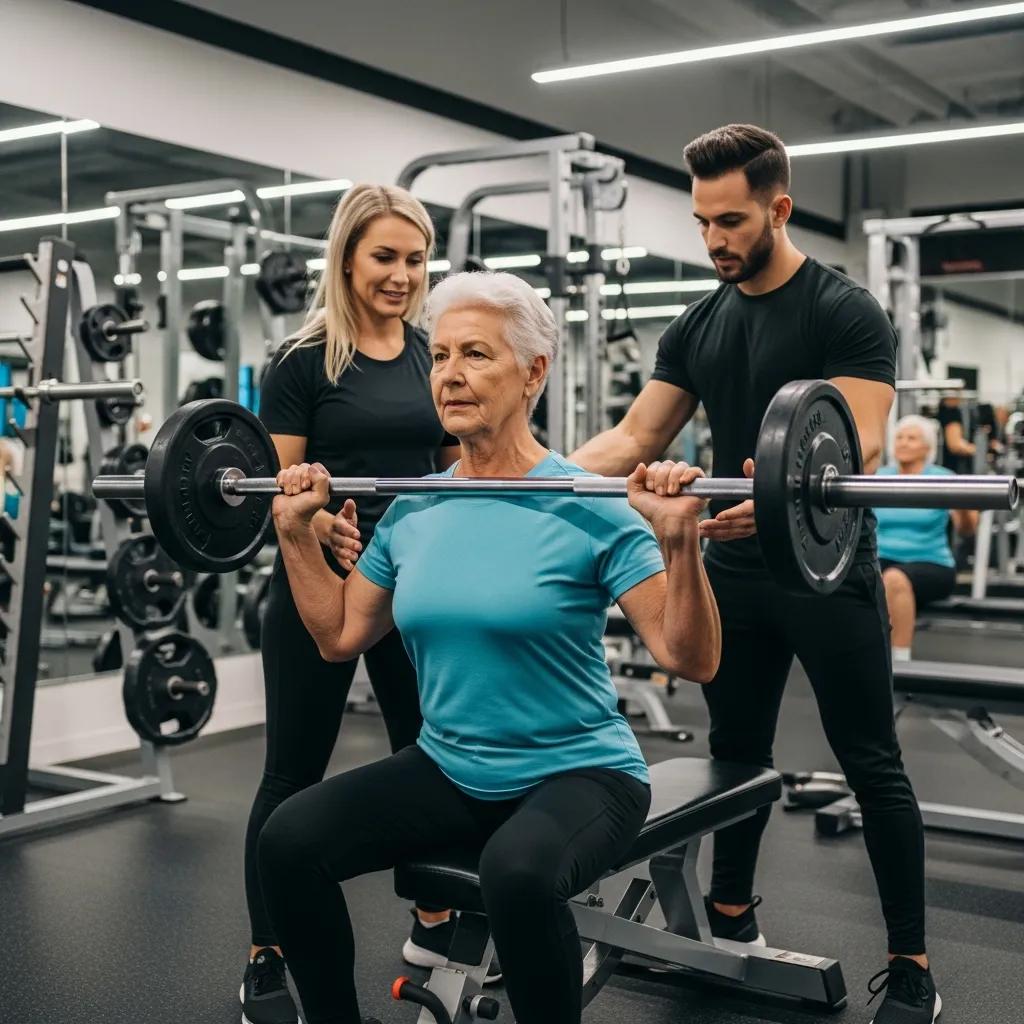
Strength training increases or maintains muscle mass, improves bone density, and enhances everyday function through progressive resistance and neuromuscular adaptation. The mechanism is straightforward: resistance overload stimulates muscle protein synthesis and neural recruitment, which translate to stronger lifts, safer transfers, and better gait speed. For many adults 55+, even modest twice-weekly programs produce significant gains in strength and reductions in frailty markers. When choosing classes, prioritize certified instructors, small group sizes, and programs that include progressive loading and supervised technique practice.
These practical class features lead into low-impact and balance options that complement resistance work.
Which Low-Impact and Balance Classes Support Mobility for Seniors 55+?
Low-impact cardio and balance classes preserve joint health while improving endurance and stability through repeated safe movement patterns and proprioceptive training. Formats such as chair-based strength, Tai Chi, and aquatic exercise reduce impact forces while teaching balance strategies and confidence in mobility. Seniors benefit most from classes that offer progressions, clear cueing, and options to sit or stand; these classes should be scheduled regularly to reinforce motor learning. Safety tips include starting with baseline assessments and informing instructors about medical conditions before participating.
Regular attendance in these classes complements resistance training by improving endurance and reducing fall risk.
How Does Nutrition Coaching Support Healthy Aging for Adults 55+ in Stamford?

Nutrition coaching provides personalized meal planning, behavior support, and condition-specific guidance to meet seniors’ changing nutrient needs and to support exercise adaptations. Coaches translate evidence-based targets (protein distribution, calcium/Vitamin D, fiber, hydration) into practical grocery, meal-prep, and timing strategies that optimize training response and chronic disease management. Personalized plans also consider medications, digestive tolerance, and appetite changes common after age 55. The following table compares key nutrients, recommended amounts, and food sources relevant to older adults.
Nutrition coaching focuses on nutrients that directly interact with exercise adaptations.
| Nutrient | Recommended Target for Older Adults | Common Food Sources |
|---|---|---|
| Protein | 1.0–1.2 g/kg daily with ~25–30 g per meal | Lean meats, dairy, legumes, protein-fortified foods |
| Calcium & Vitamin D | Calcium 1,000–1,200 mg; Vitamin D 800–2,000 IU (depending on individual needs) | Dairy, fortified plant milks, oily fish, supplements |
| Fiber | 25–30 g daily | Whole grains, fruits, vegetables, legumes |
| Hydration | Adequate fluids individualized by meds/health | Water, broths, hydrating foods |
This nutrient map supports targeted coaching interventions that enhance strength gains and bone remodeling.
What Essential Nutrients Should Seniors Include in Their Diet?
Seniors need consistent protein intake spread across meals, calcium and vitamin D for bone maintenance, fiber for GI health, and attention to hydration and B12 status to support energy and neurological function. Protein timing—especially consuming protein within an hour after resistance training—augments muscle protein synthesis, while vitamin D supports calcium absorption and bone turnover. Practical food-based strategies include pairing protein with vegetables at each meal and using fortified foods when intake is inadequate. Credentialed nutrition professionals can tailor these general targets into a sustainable plan that fits appetite, budget, and medical needs.
These nutritional foundations enable the combined exercise + nutrition approach discussed next.
How Can Personalized Nutrition Plans Improve Energy and Manage Chronic Conditions?
Personalized nutrition plans translate nutrient goals into actionable meals, grocery lists, and monitoring strategies that improve energy, glycemic control, and medication interactions. Coaches provide behavior-change tools—goal setting, portion strategies, and simple recipes—that increase adherence and fitness training tolerance. Examples include adjusting carbohydrate timing around exercise for diabetes management or increasing protein density to support sarcopenia prevention. Credential verification and collaborative care with medical providers ensure safety and alignment with chronic condition treatment.
Tailored nutrition planning enhances training results and reduces health-related barriers to exercise participation.
What Are the Benefits of Combining Nutrition and Workout Classes for Seniors in Stamford?
Yes — combining nutrition coaching with structured workout classes amplifies results by aligning substrate availability with mechanical stimulus, accelerating muscle synthesis, and supporting bone remodeling. Mechanisms include improved muscle protein synthesis from protein timing, enhanced bone response from weight-bearing exercise plus calcium/Vit D, and lower systemic inflammation with balanced diets and regular activity. The synergy yields better strength, mobility, and metabolic markers than either intervention alone. The table below maps combined interventions to likely outcomes to clarify expected benefits for adults 55+.
Integrated programs produce larger, faster gains in functional health for older adults.
| Intervention Pairing | Mechanism | Expected Outcome |
|---|---|---|
| Resistance + Protein timing | Stimulates MPS (muscle protein synthesis) | Increased muscle mass & strength |
| Weight-bearing + Calcium/Vit D | Osteogenic load + mineral availability | Preserved/increased bone density |
| Balance classes + Adequate energy intake | Motor learning + fuel for practice | Reduced falls & improved gait |
This mapping helps seniors and clinicians prioritize combined strategies for measurable health improvements.
How Does This Combo Help Prevent Sarcopenia and Improve Bone Health?
Combining resistance training with appropriate protein intake and vitamin D creates the conditions for muscle protein synthesis and bone remodeling by supplying both the mechanical stimulus and the nutritional substrates. Protein provides amino acids necessary for repair, while resistance loading signals anabolic pathways; together they counteract age-related muscle loss (sarcopenia). Weight-bearing movements stress bone in a way that, when paired with calcium and vitamin D, promote remodeling and structural maintenance. Implementing both components consistently produces better long-term preservation of independence and mobility.
These mechanisms are supported by local program models and success stories that illustrate practical results.
What Real Success Stories Show the Impact of Integrated Programs?
Short, anonymized vignettes highlight typical outcomes from coordinated nutrition and exercise programs in community settings. One older adult began twice-weekly resistance classes and a protein-focused meal plan and regained sufficient strength to climb stairs without assistance within three months. Another participant combined aquatic balance classes with vitamin D optimization and reported fewer near-falls and increased confidence walking outdoors. These examples reflect measurable improvements in strength, gait speed, and daily function when both nutrition and training are addressed together.
These success patterns point directly to where local seniors can access integrated support.
Where Can Adults 55+ Find the Best Nutrition and Fitness Programs in Stamford?
Adults 55+ should look for program types that combine exercise options with nutrition support, credentialed staff, and medical oversight when needed. Local providers commonly include multi-service fitness clubs with older-adult programming, small-group personal training studios, municipal senior centers, community JCCs with aquatic classes, and medically affiliated fitness institutes.
Examples of organizations and program types in Stamford include multi-service clubs, Core Principles–style personal training studios, the Stamford Senior Center, Stamford JCC aquatic and group classes, and medical fitness programs associated with health systems. Start by scheduling a baseline assessment or an introductory class to evaluate fit and safety.
Below is a concise starter checklist for getting into a program in Stamford.
- Get medical clearance: Confirm exercise readiness with your clinician.
- Request an assessment: Book a fitness or nutrition baseline evaluation.
- Try a trial class: Attend an introductory session to assess comfort and supervision.
- Set short goals: Define 4–8 week functional targets to measure progress.
These steps reduce barriers and make enrollment into the right program straightforward; schedule a consult or trial class to begin building momentum.