
As seniors age, maintaining physical health becomes increasingly vital for enjoying an active and fulfilling life. Personal training specifically tailored for seniors targets unique needs such as mobility, strength, and balance. With the emphasis on safe exercise solutions, seniors can benefit immensely from programs designed to enhance their well-being, boost confidence, and improve overall quality of life. This article will explore the key benefits offered by senior fitness programs in Downtown Stamford, the types of exercises best suited for seniors, how to find certified trainers, available local resources, cost considerations, and essential safety precautions to consider during workouts. By delving into these topics, seniors and their families can make informed decisions about their fitness journeys.
What Are the Key Benefits of Senior Fitness Programs in Stamford?
Senior fitness programs are geared specifically to address the physical and mental challenges faced by older adults. These programs focus on enhancing overall mobility, improving strength and balance, and managing health conditions effectively. Engaging in a well-structured fitness program can lead to significant improvements in daily activities and overall life satisfaction.
How Does Personalized Training Improve Senior Mobility and Balance?
Personalized training significantly enhances senior mobility and balance through tailored exercises that focus on individual needs and capabilities. Customized workouts incorporate flexibility training, balance exercises, and strength-building routines, which can help reduce the risk of falls and improve functional mobility. For example, exercises like chair stands, heel-to-toe walks, and balance beams target specific muscle groups and enhance coordination, ultimately fostering greater independence.
Research underscores the critical role of targeted exercise programs in mitigating fall risks and improving balance in older populations.
Exergames for Seniors: Reducing Falls & Improving Balance
1. Falls are the leading cause of fatal and non-fatal unintentional injuries in older people. The use of Exergames (active, gamified video-based exercises) is a possible innovative, community-based approach. This study aimed to determine the effectiveness of a tailored OTAGO/FaME-based strength and balance Exergame programme for improving balance, maintaining function and reducing falls risk in older people. The effectiveness and cost-effectiveness of strength and balance Exergames to reduce falls risk for people aged 55 years and older in UK assisted living facilities: a …, EK Stanmore, 2019
What Health Improvements Result from Strength and Low-Impact Training?
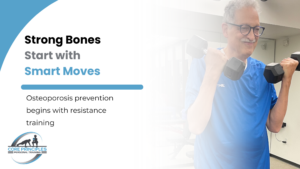
The health benefits of engaging in strength and low-impact training for seniors are profound. Regular participation in such activities can lead to improved muscle strength, better joint function, and enhanced cardiovascular health. Resistance training, even at lower weights, has shown to increase bone density and reduce the risk of osteoporosis, while low-impact exercises like swimming and cycling help maintain cardiovascular fitness without undue stress on the joints, making them suitable for older adults.
Which Types of Exercise Programs Are Best Suited for Seniors in Downtown Stamford?
Selecting the right type of exercise program is crucial for seniors to ensure safety and maximize health benefits. In Downtown Stamford, various options are available that cater specifically to older adults.
The American College of Sports Medicine provides guidelines emphasizing the importance of fitness development and maintaining functional capacity for older adults, advocating for tailored intensity and mode of activity.
Exercise Prescription Guidelines for Elderly Fitness
Most exercise programs designed for healthy persons older than 65 emphasize fitness development, but the maintenance of functional capacity and quality of life are equally important. The basic guidelines for frequency, intensity, and duration of training and the mode of activity recommended by the American College of Sports Medicine for healthy adults are also appropriate for the elderly. The difference in the exercise prescription for the elderly participant is the manner in which it is applied. Given that the elderly person is more fragile and has more physical-medical limitations than the middle-aged participant, the intensity of the program is usually lower while the training frequency and duration are increased. The mode of training should avoid high-impact activities, and the progression of training should be more gradual. Exercise training and prescription for the elderly, 1994
What Are the Features of Strength, Balance, and Cardio Training for Seniors?
Strength training programs for seniors often focus on using light weights or resistance bands to promote muscle growth and stability. Balance training features exercises such as tai chi or yoga, which enhance stability and coordination. Cardiovascular training incorporates low-impact activities like walking, cycling, and water aerobics that boost heart health without imposing excessive strain on the body. This combination of training types helps create a comprehensive fitness regimen.
How Do Senior-Specific Classes Address Joint Safety and Low-Impact Needs?
Senior-specific classes are designed with joint safety in mind, employing low-impact movements to accommodate varying physical abilities. These classes often incorporate modifications to traditional exercises, allowing participants to engage actively while preventing injury. The utilization of supportive tools, such as resistance bands and stability balls, enhances safety and effectiveness, ensuring seniors can comfortably participate in their fitness programs.
How to Select the Best Certified Senior Personal Trainer in Stamford CT?
Choosing the right personal trainer is a fundamental step toward achieving fitness goals. Seniors must seek out certified trainers who specialize in working with older adults and understand their unique challenges.
Which Certifications and Experience Are Essential for Senior Fitness Trainers?
When evaluating potential trainers, look for credentials such as certification from recognized organizations like the National Academy of Sports Medicine (NASM) or the American Council on Exercise (ACE). Additionally, experience in geriatric fitness and knowledge of health conditions prevalent among seniors can greatly enhance the quality of training provided. For more information, visit fitness programs.
What Questions Should Seniors Ask When Choosing a Personal Trainer?
- What is your experience working with older adults? This helps gauge their aptitude for handling age-specific concerns.
- How do you create tailored exercise plans? Understanding their approach to personalized training is vital.
- What safety measures do you implement during sessions? Safety is paramount for seniors to prevent injuries.
What Local Senior Fitness Amenities and Community Resources Are Available in Downtown Stamford?

Downtown Stamford boasts a variety of resources catering to senior fitness, providing ample options for maintaining an active lifestyle.
Which Facilities Offer Tailored Senior Exercise Programs and Group Classes?
Various local gyms, community centers, and health clubs feature tailored senior exercise programs and group classes. These classes often focus on low-impact aerobics, functional fitness, and balance training, allowing seniors to engage socially while enhancing their physical health. Organizations may offer discounts or special memberships for seniors to encourage participation.
How Do Community Resources Support Ongoing Senior Wellness and Engagement?
Community resources play a crucial role in supporting senior wellness and engagement. Many municipalities host wellness workshops, social events, and fitness challenges. These initiatives not only promote physical activity but also foster social connections, combating feelings of isolation that many seniors experience. Staying active and engaged within their communities greatly contributes to their overall well-being.
What Are the Typical Pricing Models and Session Formats for Senior Personal Training in Stamford?
Understanding the pricing models and session formats available can aid seniors in making budget-conscious decisions regarding personal training.
How Do Individual and Small-Group Training Sessions Compare for Seniors?
Individual and small-group training sessions each offer distinct advantages. Individual sessions provide personalized attention and customization, while small-group training allows for a more social experience, often at a reduced cost. Both formats can effectively meet the needs of senior clients, depending on their preferences and goals.
What Factors Influence the Cost of Senior Personal Training Services?
Several factors influence the cost of personal training services, including trainer experience, location, and session length. On average, prices can range from $50 to $125 per session, but packages may offer discounts for bulk purchases. Understanding these influences can help seniors make informed choices regarding their fitness investments.
What Safety Precautions Should Seniors Take During Personal Training Exercises?
Safety should always be a primary consideration during personal training for seniors to avoid injuries and ensure beneficial outcomes.
Which Exercise Adaptations Reduce Injury Risk for Seniors with Health Conditions?
Trainers should emphasize exercise adaptations specific to seniors’ health conditions to minimize injury risk. For example, clients with joint issues may benefit from modified versions of traditional exercises or alternatives that limit impact. This individualized approach is crucial for making training sessions safe and effective.
How Do Trainers Monitor and Ensure Safe Exercise Practices for Elderly Clients?
Trainers employ various techniques to monitor safety during sessions, including constant feedback on form and individualized exercise modifications. Regular assessments of clients’ capabilities and progress help trainers adjust workout plans as needed, ensuring seniors remain within their safe physical limits while challenging themselves appropriately.
Frequently Asked Questions
What are the signs that a senior should start a fitness program?
Seniors may consider starting a fitness program if they experience decreased mobility, increased fatigue during daily activities, or if they are recovering from an injury or illness. Additionally, those looking to enhance their overall health and prevent chronic diseases should also consider engaging in regular exercise. A consultation with a healthcare provider can provide tailored advice based on individual health status and goals.
How often should seniors exercise per week?
The American College of Sports Medicine recommends that seniors engage in physical activity at least 150 minutes each week, spread throughout the week. This can be broken down into sessions lasting 30 minutes on most days. Strength training exercises should also be included at least two days a week to promote muscle health and functional ability.
Can seniors benefit from high-intensity workouts?
While high-intensity workouts can provide benefits, they may not be suitable for all seniors. Individual fitness levels and health conditions should be considered before engaging in high-intensity training. Tailored programs that include moderate-intensity options, along with proper supervision and adjustments, can help seniors achieve their fitness goals safely. Consulting with a certified trainer is recommended.
What are the best warm-up and cool-down practices for seniors?
Warm-up exercises for seniors should involve gentle dynamic movements that gradually increase heart rate and loosen muscles, such as walking or gentle stretching. Cool-down practices should focus on static stretching and relaxation techniques aimed at lowering heart rate and preventing stiffness. Both are crucial for reducing injury risk and promoting recovery post-exercise.
Are there any specific nutrition considerations for seniors engaging in fitness programs?
Yes, seniors should focus on a balanced diet that supports their fitness goals. Key considerations include adequate protein intake for muscle repair, sufficient hydration, and incorporating plenty of fruits and vegetables for vitamins and minerals. Additionally, monitoring caloric intake to align with activity levels can help maintain a healthy weight and overall well-being.
How can seniors safely introduce new exercises into their routine?
Seniors should gradually introduce new exercises by starting with simple, low-impact movements that align with their current fitness level. It is wise to seek guidance from a certified trainer to ensure proper form and adjust the intensity to avoid injury. Monitoring the body’s responses during and after new exercises is important for maintaining safety and effectiveness.
Conclusion
Engaging in senior fitness programs significantly enhances physical well-being and promotes confidence among older adults. These tailored training sessions not only improve mobility and balance but also contribute to a higher quality of life. Prioritizing health through proper exercise is a meaningful investment in one’s future. Explore our comprehensive range of senior fitness programs in Downtown Stamford to start this transformative journey today.