Adults over 55 in Stamford face unique challenges—nearly half experience age-related muscle loss and balance decline without targeted guidance. Small group personal training in Stamford delivers a smarter path by combining evidence-based exercise, personalized oversight, and peer motivation to restore strength, stability, and vitality. In this article, we explore four central themes: the key benefits of small group sessions, optimal exercises for older adults, the role of nutrition coaching, and practical guidance on finding the right class in Stamford. You will discover how tailored workouts, supportive community dynamics, and customized dietary advice come together to boost confidence, prevent falls, and promote healthy aging.
What Are the Benefits of Small Group Personal Training for Seniors in Stamford?
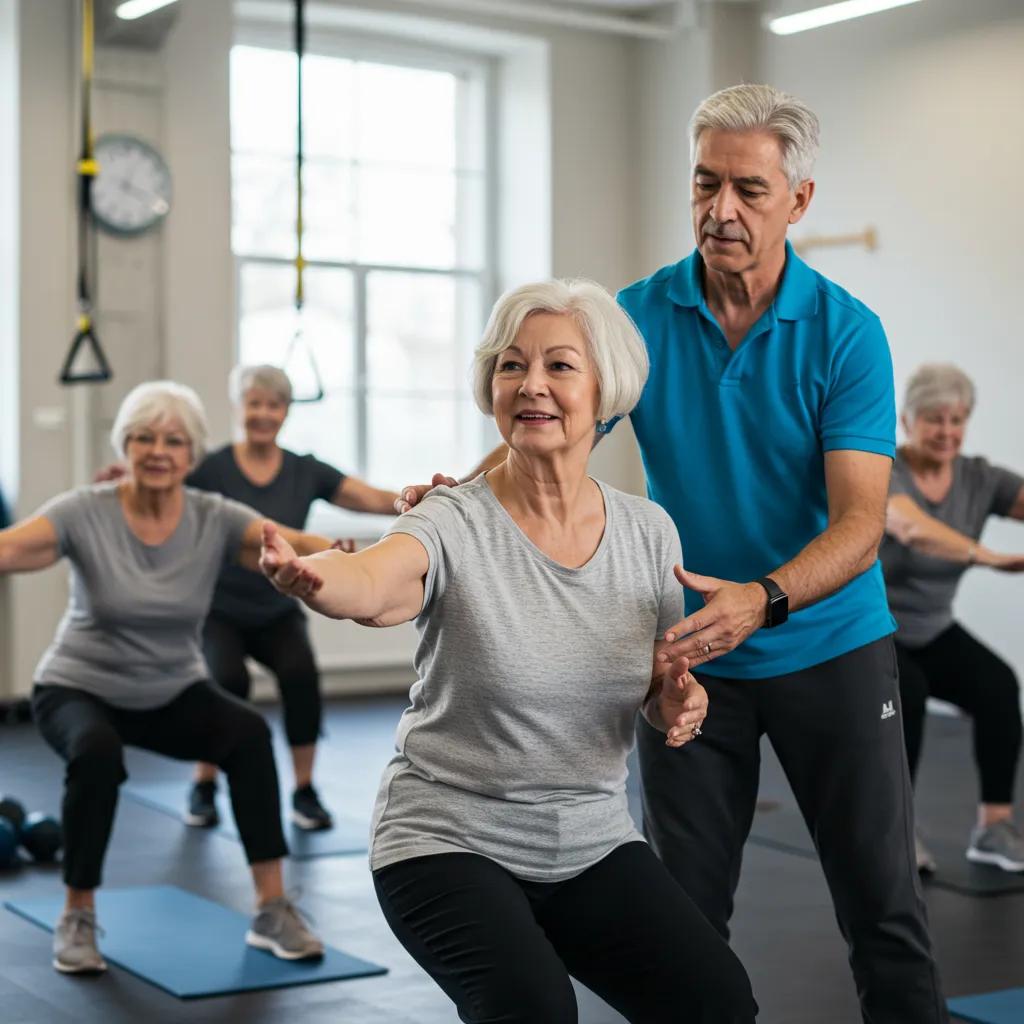
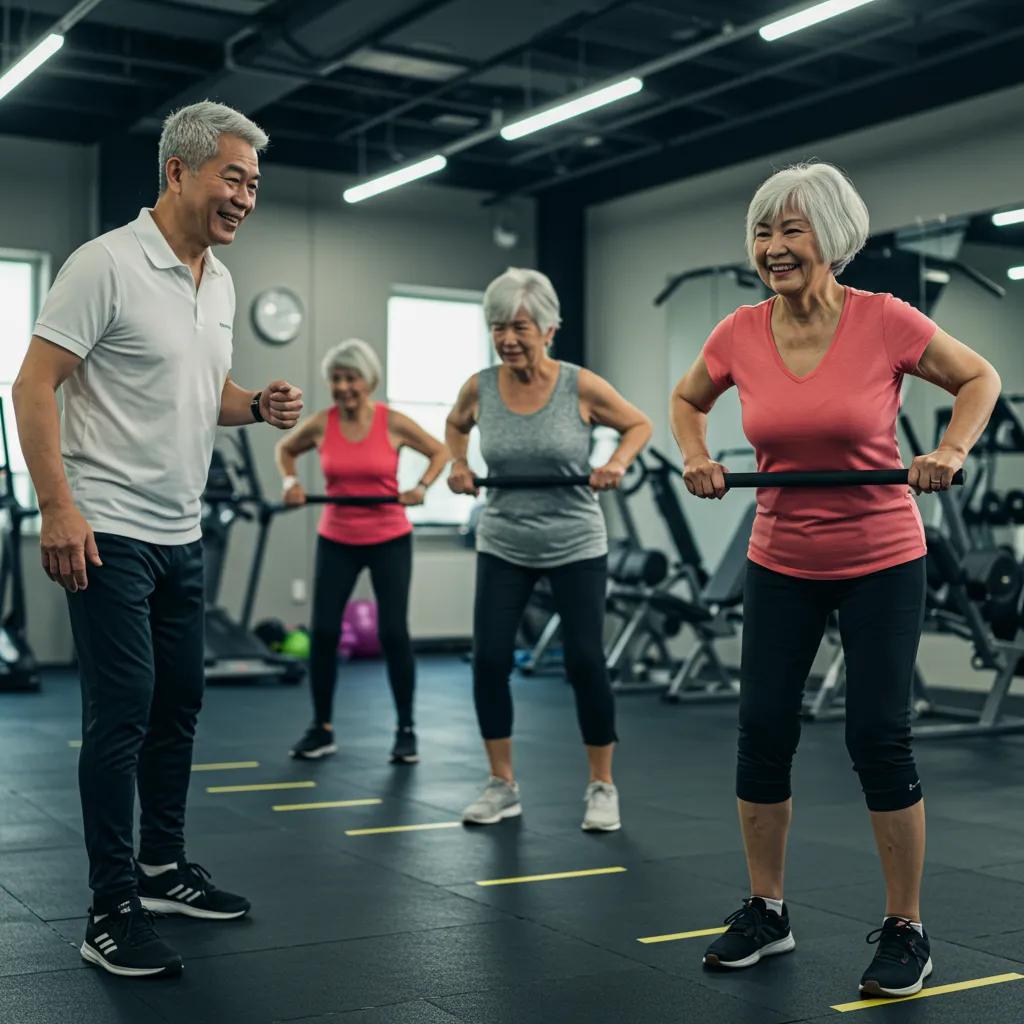
Small group personal training for seniors delivers a well-rounded fitness solution by blending individualized attention with social support, resulting in safer, more effective workouts and sustained motivation. This approach addresses common age-related concerns—strength decline, balance issues, and isolation—through structured programming that adapts to each participant’s capacity. For example, sessions often begin with balance drills and progress to resistance exercises, ensuring steady improvements without overloading joints. By training together, seniors build camaraderie and accountability, which research shows increases long-term adherence to exercise routines and enhances mental well-being.
The advantages of this group model include:
- Personalized Progression: Trainers adjust intensity per individual to prevent injury and optimize gains.
- Peer Motivation: Exercising with peers fosters encouragement and a sense of belonging.
- Structured Safety: Clear demonstrations and spot-checks maintain proper form.
- Cost Efficiency: Shared sessions reduce per-person fees while retaining expert guidance.
These benefits set the stage for targeted strength and balance improvements, a topic we’ll develop in the next section.
How Does Small Group Training Improve Strength and Balance for Adults Over 55?
Small group training improves strength by using progressive resistance techniques that stimulate muscle protein synthesis and counteract sarcopenia. Trainers introduce controlled weight or resistance-band exercises—such as chair squats and seated rows—to engage major muscle groups while monitoring form. Balance enhancement arises from exercises like tandem stands and single-leg reaches that challenge proprioception and reinforce neuromuscular coordination. As strength and balance reinforce each other, participants experience fewer stumbles and greater confidence in daily activities, laying the groundwork for more advanced mobility work.
Long-term outcomes include improved gait stability, increased lower-body power for stair navigation, and reduced fall risk by up to 40 percent.
Why Is Social Connection Important in Senior Fitness Classes?
Social connection in senior fitness classes fosters emotional well-being and accountability, which directly impact workout consistency and overall health. Interacting with peers combats loneliness, a factor linked to depression and cognitive decline in older adults. Small group settings encourage lighthearted competition and shared milestones—celebrating a new personal best or mastering a challenging balance exercise. As trust builds among members, individuals feel more comfortable pushing limits safely under professional supervision, reinforcing positive habits that extend well beyond the gym environment.
This supportive network naturally transitions into lifestyle changes, such as group walks or healthy meal swaps, enriching senior wellness holistically.
How Does Personalized Attention Enhance Safety and Effectiveness?
Personalized attention ensures that each senior’s exercise plan aligns with their medical history, mobility limitations, and fitness goals. Trainers conduct initial assessments—evaluating posture, joint range, and cardiovascular response—to customize warm-ups and exercise progressions. Real-time feedback corrects movement patterns, preventing compensations that could lead to injury. This individualized oversight also allows for safe modifications—such as substituting seated leg presses for free-weight squats—maintaining workout effectiveness while protecting vulnerable joints. As seniors adapt safely, they build confidence and independence, reinforcing the value of expert-guided training.
By prioritizing safety through tailored adjustments, small group programs deliver measurable results without undue risk.
Which Exercises Are Best for Adults Over 55 in Stamford’s Small Group Training?
Optimal exercises for adults over 55 combine strength, balance, and mobility work to address the multifaceted needs of aging bodies. Resistance movements build muscle mass and support bone health, balance drills reduce fall risk, and mobility flows preserve joint range. Integrating these elements into each session ensures a comprehensive approach that aligns with healthy-aging guidelines from leading fitness associations. For example, circuits might alternate between resistance-band chest presses, tandem-stance holds, and gentle dynamic stretching, promoting well-rounded functional fitness.
Below is a comparison of key exercise categories:
| Exercise Category | Primary Benefit | Mechanism |
|---|---|---|
| Resistance Training | Muscle preservation | Stimulates muscle protein synthesis |
| Pilates | Core stability | Engages deep abdominal and spinal support muscles |
| Tai Chi | Balance improvement | Coordinates slow, mindful movements for proprioception |
These foundational movements feed directly into targeted programming for strength, balance, and joint health.
What Strength Training Exercises Prevent Muscle Loss and Improve Bone Density?
Resistance training exercises—such as seated leg presses, chest presses with light dumbbells, and resistance-band rows—prevent age-related muscle atrophy by triggering muscle protein synthesis. Weight-bearing moves like standing calf raises and modified body-weight squats apply mechanical stress to bones, promoting bone-remodeling processes that enhance density. By performing two to three sessions per week with progressive overload, adults over 55 can reduce sarcopenia and osteoporosis risk, improving functional independence and reducing fracture likelihood in everyday activities.
How Do Balance and Mobility Workouts Reduce Fall Risks?
Balance and mobility workouts reduce fall risk by strengthening neuromuscular pathways and enhancing proprioception. Exercises like single-leg stands, heel-to-toe walks, and obstacle-step drills challenge coordination and improve reaction times. Mobility routines—incorporating hip circles, ankle pumps, and spinal rotations—maintain joint range and fluid movement. Regular practice of these drills translates to steadier gait patterns and quicker postural adjustments, lowering the chance of slips and trips in real-world environments.
What Low-Impact Workouts Support Joint Health and Flexibility?
Low-impact workouts—such as water aerobics, chair yoga, and elliptical training—support joint health by minimizing compressive forces while promoting circulation and range of motion. These activities lubricate cartilage and reduce stiffness, making daily movements more comfortable and reducing inflammation. For instance, water resistance sessions offer muscular workload without joint strain, while chair yoga enhances flexibility through supported stretching sequences. Incorporating these joint-friendly options safeguards longevity in a senior’s fitness journey.
How Does Nutrition Coaching Complement Small Group Training for Seniors in Stamford?

Nutrition coaching complements small group training by addressing age-related metabolic shifts, supporting muscle repair, and fueling daily energy needs. A personalized nutrition plan ensures adequate protein, micronutrients, and hydration to maximize exercise benefits and promote recovery. For example, increasing lean-protein intake after resistance workouts accelerates muscle protein synthesis, while calcium and vitamin D support bone health. Through guided meal planning, seniors learn to adapt portion sizes and food choices that align with their fitness goals and medical conditions, enhancing outcomes beyond the gym floor.
This integrated approach empowers older adults to build strength and vitality from the inside out.
What Are the Key Dietary Needs for Active Adults Over 55?
Active adults over 55 require:
- Sufficient Protein: At least 1.0–1.2 grams per kilogram of body weight daily to preserve muscle mass.
- Calcium and Vitamin D: To support bone mineral density and reduce fracture risk.
- Omega-3 Fatty Acids: To modulate inflammation and support cardiovascular health.
Addressing these core nutrients establishes a nutritional foundation that amplifies training adaptations and overall well-being.
How Can Nutrition Coaching Support Weight Management and Energy?
Nutrition coaching supports weight management and sustained energy by optimizing macronutrient balance and meal timing. Coaches design meal plans that emphasize lean proteins, fiber-rich vegetables, and controlled healthy fats to regulate blood sugar and curb cravings. Incorporating small, frequent meals stabilizes energy levels throughout the day, reducing fatigue and supporting consistent participation in physical activities. Tailored guidance also helps seniors avoid excessive caloric restriction, which can impair muscle maintenance and slow metabolism, ensuring that nutrition coaching strategies align with healthy aging principles.
How Does Personalized Nutrition Help Manage Chronic Conditions?
Personalized nutrition helps manage chronic conditions—such as type 2 diabetes, hypertension, and osteoarthritis—by tailoring dietary adjustments to each health profile. For example, reducing added sugars and refined carbohydrates can improve glycemic control, while moderating sodium intake influences blood pressure regulation. Anti-inflammatory foods like fatty fish, nuts, and leafy greens can alleviate joint discomfort. By coordinating closely with medical providers, nutrition coaches create customized plans that integrate seamlessly with treatment protocols, enabling seniors to control chronic disease progression through informed food choices.
Where Can Seniors Find the Best Small Group Personal Training Classes in Stamford?
Finding the best small group personal training classes in Stamford involves assessing factors such as trainer qualifications, class size, and program structure. Look for certified professionals with experience in senior fitness who conduct thorough assessments before prescribing exercises. Ideal classes maintain small ratios—often four to six participants—to preserve personalized oversight. Additionally, facilities that offer integrated nutrition coaching reinforce a holistic approach to healthy aging. Visiting trial sessions and reviewing client testimonials helps gauge whether a program’s culture and methodology align with individual preferences and goals.
Next, we’ll compare these classes to other training models in Stamford.
What Should You Look for When Choosing a Senior Personal Trainer in Stamford?
When choosing a senior personal trainer in Stamford, prioritize:
- Certification in senior fitness or exercise physiology.
- Experience working with adults over 55 and understanding of age-related limitations.
- Small class sizes or low client-to-trainer ratios for individualized attention.
- Comprehensive programming that includes strength, balance, and flexibility components.
A qualified trainer ensures each session is safe, effective, and engaging for long-term success.
How Do Stamford’s Small Group Classes Compare to Large Gym or One-on-One Training?
| Training Model | Class Size | Cost Efficiency | Social Interaction | Customization |
|---|---|---|---|---|
| Small Group Personal | 4–6 participants | Moderate | High | Moderate to High |
| Large Gym Group Class | 15+ participants | Low | Moderate | Low |
| One-on-One Personal | 1 participant | High | Low | Very High |
Small group personal training balances affordability and personalization, combining social motivation with tailored progressions in a way large classes and solo sessions cannot.
What Are Success Stories from Stamford Seniors in Small Group Training?
Seniors in Stamford report transformative results—such as a 68-year-old improving her balance by 35 percent and resuming daily gardening without pain, and a 72-year-old increasing his leg strength enough to climb stairs effortlessly. These success stories reflect the synergy of expert guidance, supportive peers, and consistent effort. Participants often highlight renewed confidence, reduced joint discomfort, and enhanced social bonds as life-changing outcomes that extend beyond physical fitness.
What Are Common Questions About Senior Fitness and Nutrition in Stamford?
Older adults commonly ask about training frequency, exercise safety, and dietary adjustments to match metabolic changes. Understanding how often to engage in strength sessions, which activities pose minimal risk, and how nutrition influences energy and chronic-condition management helps seniors make informed decisions. Addressing these topics provides clarity and confidence, steering individuals toward sustainable, health-promoting behaviors.
How Often Should Seniors Do Strength Training in Small Groups?
Seniors should do strength training two to three times per week to stimulate muscle maintenance and bone health without causing excessive fatigue. Allowing at least one day of rest between sessions ensures adequate recovery for muscle fibers and connective tissues. Integrating light activity—such as walking or gentle stretching—on rest days supports circulation and flexibility, reinforcing training adaptations.
What Types of Exercises Are Safe for Adults Over 55?
Safe exercises for adults over 55 include low-impact cardio like walking and stationary cycling, resistance-band movements, chair yoga, and water-based aerobics. These activities minimize joint stress while promoting cardiovascular health, muscular strength, and flexibility. Proper warm-ups and cool-downs, along with professional instruction, ensure safety and optimize results.
How Does Nutrition Coaching Address Age-Related Metabolic Changes?
Nutrition coaching addresses age-related metabolic changes by adjusting macronutrient ratios and meal timing to counter slower metabolism and reduced appetite. Emphasizing high-quality proteins, fiber-rich carbohydrates, and healthy fats stabilizes blood sugar and supports muscle synthesis. Coaches also recommend nutrient-dense foods and hydration strategies that adapt to shifting energy demands, helping seniors maintain lean mass and prevent excessive weight gain.
Seniors who integrate these training and nutrition principles in Stamford enjoy revitalized strength, improved balance, and sustained well-being well beyond their 55th birthday.
FAQ:
Q1: Why is small group personal training ideal for seniors over 55 in Stamford? Small group personal training combines personalized coaching with community support, making it easier for seniors to stay motivated and consistent. In Stamford studios like Core Principles Personal Training, trainers focus on safe, functional movements that improve balance, strength, and mobility—key factors for healthy aging.
Q2: How does small group training address safety concerns for seniors? Certified trainers monitor each participant, correcting form and adjusting exercises for individual needs. This helps reduce the risk of injury while still providing effective workouts. Programs often integrate corrective exercise strategies supported by organizations like small group personal training.
Yes. Small group training is scalable to any fitness level. Trainers provide modifications, so even seniors who are new to exercise or returning after a long break feel supported while gradually building strength and confidence.
Q4: How does accountability improve fitness outcomes for older adults? Being part of a group creates accountability, as members show up for each other while staying consistent with their training. This is especially powerful for seniors, who may otherwise feel less motivated when exercising alone.
Q5: Can small group personal training help with longevity and independence? Absolutely. By improving strength, flexibility, and cardiovascular health, small group training helps seniors maintain independence, mobility, and quality of life well into later years.
Conclusion:
For seniors in Stamford, small group personal training offers a unique balance of personalized attention, community motivation, and long-term health benefits. Unlike generic gym workouts or unsupervised routines, small group sessions provide expert coaching that ensures safety and progress, while fostering a sense of belonging.
At facilities like Core Principles Personal Training in Stamford, programs are specifically designed for adults 55+, focusing on functional strength, balance, and energy. This approach empowers seniors to move confidently, stay active, and reduce the risk of chronic conditions or injuries.
The combination of individualized coaching and group accountability makes small group training a smarter path to fitness after 55. Seniors not only improve their physical health but also gain social connection, motivation, and the confidence to stay active in daily life.
In short, small group personal training in Stamford is more than exercise—it’s a proven strategy for seniors to live stronger, healthier, and more independent lives.