Strength and balance classes combine targeted resistance work with proprioceptive and stability training to improve everyday function and reduce fall risk for people in Stamford. This article explains what those hybrid classes are, how strength and balance exercises interact physiologically, and why the combination is more effective than isolated training. You will learn how small group personal training delivers personalization and progression, which local program types to consider, and how core stability work translates into better mobility and injury prevention. The guidance that follows draws on current research and practical programming principles to help older adults, post-rehab clients, and active adults choose the right workout classes in Stamford. After defining the concept and mechanisms, we’ll compare formats, list high-value exercises and mobility drills, and map core movements to functional outcomes so you can pick an approach that matches your goals.
What Are Strength and Balance Classes and Why Are They Essential in Stamford?
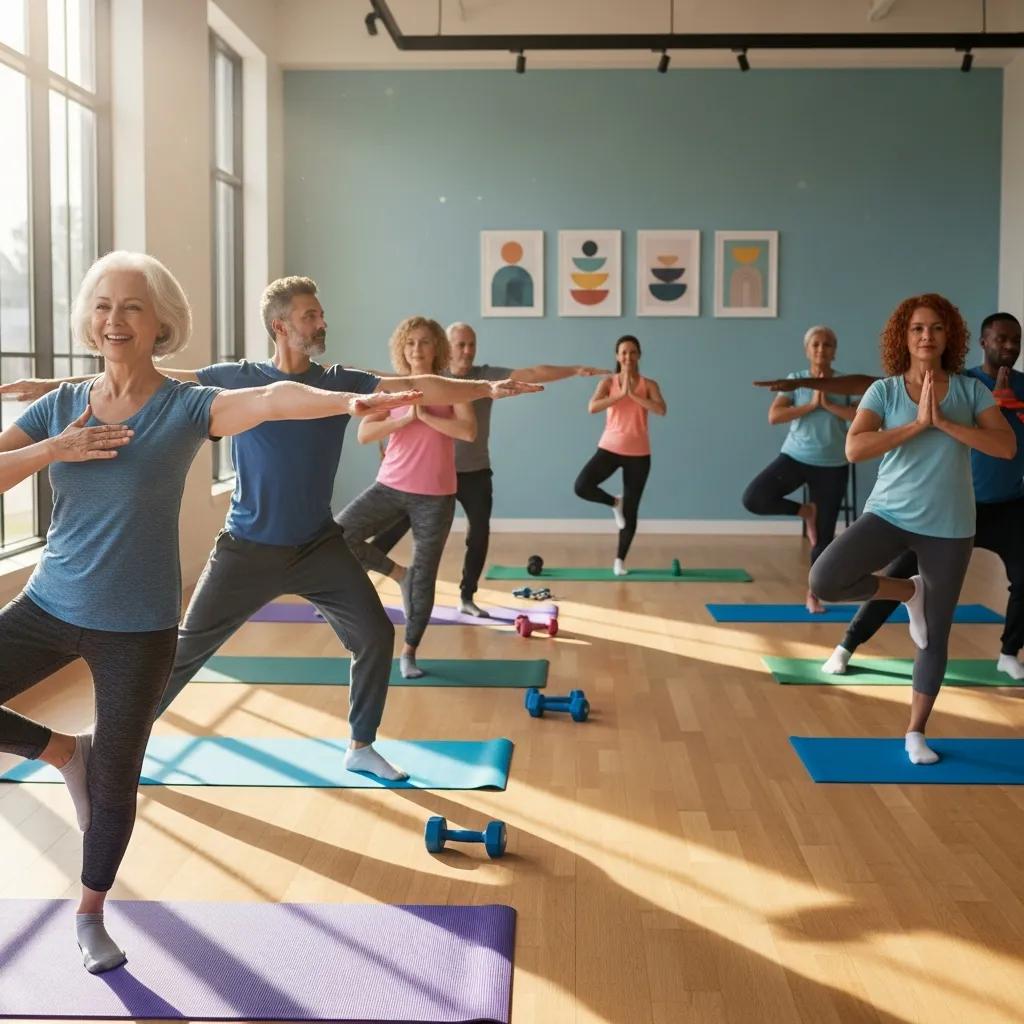
Strength and balance classes are hybrid workout sessions that pair progressive resistance exercises with balance challenges to enhance neuromuscular control and functional stability. They work by improving muscle force production (strength) while refining proprioception and motor planning (balance), producing measurable gains in daily tasks like stair negotiation and safe turning. This integrated approach reduces fall risk and improves athletic and occupational performance by enabling efficient force transfer across joints. The next section explains the physiological mechanisms—how neuromuscular adaptations and sensory feedback work together to create durable improvements in stability.
How Do Strength Training and Balance Exercises Work Together?
Strength training improves the muscles and connective tissue that generate force, while balance exercises train the nervous system to use that force safely through improved proprioception and motor control. Proprioception → informs → corrective muscle responses, and strength → supplies → the torque needed to execute those responses. Typical combined exercises include single-leg deadlifts with controlled hold, loaded step-ups followed by balance holds, and resisted gait drills that challenge stability under load. Recent studies indicate that progressive overload plus sensory challenges lead to faster transfer to real-world tasks, which supports using mixed sessions in Stamford training programs.
What Are the Key Benefits of Combining Strength and Balance Training?
Combining strength and balance delivers multiple practical benefits for adults across fitness levels.
- Fall risk reduction: Improved strength and reactive balance reduce the likelihood of slips and trips.
- Better daily function: Increased capacity for tasks like lifting, carrying, and stair climbing.
- Injury prevention: Balanced force production and control lower compensatory movement patterns.
- Enhanced performance: Athletes and active adults gain more reliable power transfer and agility.
These benefits make the hybrid model especially valuable for older adults and post-rehab clients who need both capacity and control, which leads into why small-group formats often work well for these goals.
How Does Small Group Personal Training Enhance Strength and Balance in Stamford?
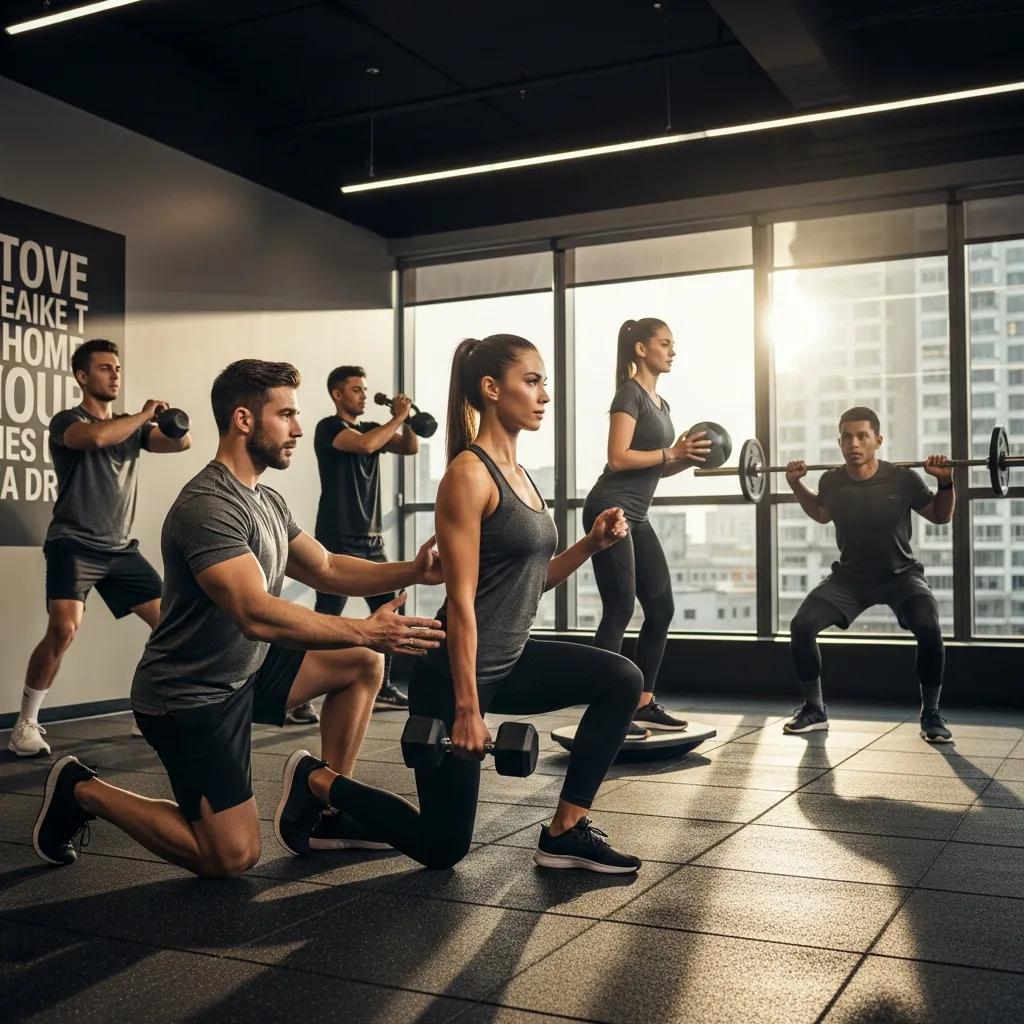
Small group personal training blends individualized coaching with group dynamics to deliver tailored progressions while maintaining cost-effectiveness. Personalization → targets → specific deficits, and corrective coaching → reduces → compensatory patterns, so clients gain both strength and safe movement patterns. Sessions typically cycle through activation, loaded strength, and balance integration, allowing trainers to cue technique and scale difficulty. Below is a compact comparison that helps illustrate why small groups balance attention and community.
| Class Size | Trainer Attention | Typical Exercises | Best For |
|---|---|---|---|
| 1:1 private | Very high | Customized rehab and progressive overload | Severe injuries, post-op rehab |
| Small group (4–8) | High with shared focus | Loaded single-leg work, balance circuits | Most adults seeking progress + value |
| Large group class (10+) | Low | General strength and cardio circuits | Fitness maintenance and conditioning |
This table clarifies formats so you can pick a model that matches your needs; small groups often offer the best compromise between personalization and peer motivation. For readers interested in trying this model, consider booking a trial class or scheduling a consultation to see how small-group sessions are structured and scaled.
What Makes Small Group Training Effective for Strength and Balance?
Small group training is effective because it preserves three critical elements: individualized progression, frequent corrective feedback, and peer-driven accountability. Trainers can observe form closely enough to cue balance corrections and adjust loads while still running efficient group circuits that reinforce consistency. Peer presence supports adherence, and shared programming enables measurable progression over weeks through progressive overload and escalating balance challenges. These factors together produce faster functional improvements than unsupervised practice, which naturally leads to choosing suitable program types in Stamford.
Who Can Benefit Most from Small Group Strength and Balance Classes?
Several populations gain disproportionate value from small-group strength and balance formats. Seniors benefit from targeted fall-prevention drills combined with strength to restore confidence in mobility. Individuals returning from injury receive guided progressions that rebuild capacity without rushing load exposure. Active adults and athletes translate improved core control and single-leg strength into better performance and lower injury risk. Understanding which group you fit into helps prioritize class selection and expected outcomes, which we’ll compare next with common program types available locally.
Which Balance and Mobility Training Programs Are Available in Stamford?
Stamford offers a range of program types that emphasize different blends of balance, mobility, and strength; choosing the right one depends on your primary goal. Mobility-focused sessions improve joint range and movement quality, Pilates and barre emphasize core control and small-muscle endurance, and small-group strength classes prioritize progressive overload with balance integration. The table below summarizes common local program formats and their session features to help you compare options quickly.
| Program Type | Focus (Balance / Mobility / Strength) | Typical Session Features |
|---|---|---|
| Small-group strength | Strength + Balance | Loaded progressions, single-leg work, balance holds |
| Mobility clinics | Mobility / Movement quality | Joint-specific drills, flow sequences, corrective cues |
| Pilates / Barre | Core stability / Balance | Mat or apparatus work, posture/drivers, controlled tempo |
| Senior fall-prevention | Balance emphasis | Low-impact strength, reactive balance, ADL simulations |
This comparison helps readers decide whether to prioritize mobility, strength, or a blended approach; many people benefit most from a hybrid schedule that cycles modalities. If you want to sample different class types, look for introductory sessions or try a single class from each category to assess which matches your mobility and stability needs.
What Are the Best Exercises to Improve Balance and Mobility?
High-ROI exercises produce transferable improvements for daily tasks and athletic demands. Effective selections include single-leg stands with controlled reach, tandem walking with head turns, hip-hinge patterns like Romanian deadlifts for posterior chain control, ankle dorsiflexion drills for foot stability, and loaded step-ups to combine strength with balance. Progressions move from supported to unsupported, then to added load or perturbation to challenge proprioception. These exercises form the backbone of classes that aim to translate gym practice into safer, stronger movement outside the studio.
How Do Mobility Drills Support Functional Fitness and Stability?
Mobility drills restore joint range and movement quality so strength can be expressed across full planes of motion, reducing compensations that undermine balance. Joint-specific mobility (ankle, hip, thoracic spine) → enables → better alignment during loaded balance tasks, and dynamic mobility sequences prepare the nervous system for coordinated, multi-joint actions. Practical examples include ankle rocker drills before loaded single-leg work and thoracic rotations to improve upright balance during reach tasks. Consistent mobility practice reduces stiffness, improves technique, and accelerates progress when combined with strength training.
How Do Core Strength and Stability Classes in Stamford Support Overall Fitness?
Core strength and stability classes focus on the trunk’s role as a force-transmission center, enabling limbs to produce work without excessive compensatory motion. The core → transmits → force between lower and upper body, and improved bracing reduces wobble during single-leg tasks and reactive perturbations. Classes commonly include integrated anti-rotation, anti-extension, and controlled flexion patterns to support balance under load. The table below maps common core exercises to their targeted function and balance benefit to show how class programming links directly to stability outcomes.
| Exercise | Targeted Muscle/Function | Benefit for Balance/Stability |
|---|---|---|
| Plank variations | Trunk endurance / axial stiffness | Improves steady-state postural control |
| Dead bug | Limb-core coordination | Enhances cross-pattern stability during movement |
| Pallof press | Anti-rotation strength | Resists unwanted torso twist under load |
| Single-leg RDL | Posterior chain + unilateral control | Improves single-leg balance during gait |
| Farmer carry | Core stabilization under load | Trains real-world load carriage and balance |
This mapping demonstrates how specific core movements translate to safer, more stable movement in daily life and sport, which informs exercise selection in classes.
Why Is Core Strength Vital for Balance and Injury Prevention?
The core stabilizes the spine and pelvis so limbs can generate and accept force efficiently; without this stability, movements become inefficient and injury risk rises. When the core braces effectively, reactive balance responses are faster and more controlled, reducing fall likelihood and minimizing compensatory joint stresses. Practically, improving core endurance and anti-rotation capacity reduces low-back strain and improves transfer to dynamic balance tasks. Building these attributes in Stamford classes supports both everyday safety and higher-level athletic performance.
What Core Exercises Are Included in Our Stamford Workout Classes?
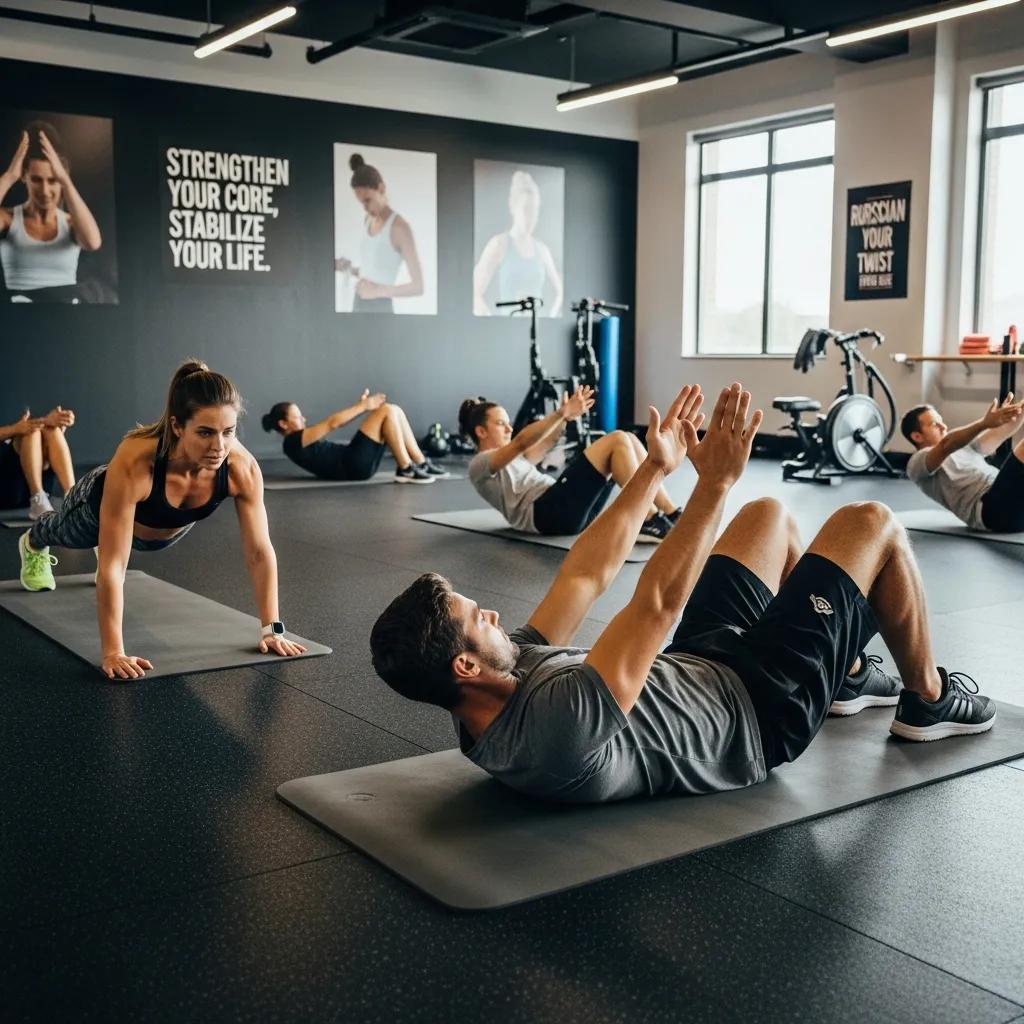
Common class exercises include planks (and progressions), dead bug patterns, Pallof presses, single-leg Romanian deadlifts, and loaded carries; each exercise targets different aspects of core function and balance. Progressions scale by altering stability demand, load, or task complexity—moving from isometric holds to dynamic anti-rotation challenges and then to loaded unilateral patterns. Instructors cue breathing, alignment, and joint sequencing to maximize transfer to gait, stair climbing, and lifting tasks. Consistent practice of these movements produces measurable improvements in posture, reactive balance, and injury resilience.
For a low-commitment next step, consider booking a trial class or scheduling an introductory consultation to experience a small-group session, sample different program types, and receive guidance on which classes best match your goals.
Frequently Asked Questions
1. What age group is most suitable for strength and balance classes?
Strength and balance classes are particularly beneficial for older adults, typically those aged 60 and above, as they focus on fall prevention and improving mobility. However, individuals of all ages can participate, especially those recovering from injuries or looking to enhance their athletic performance. Younger adults and athletes can also gain from these classes by improving their core stability and balance, which are crucial for various physical activities and sports.
2. How often should one attend strength and balance classes for optimal results?
For optimal results, attending strength and balance classes 2 to 3 times per week is recommended. This frequency allows for adequate recovery while promoting consistent progress in strength, balance, and overall functional fitness. Additionally, incorporating mobility drills and other forms of exercise on alternate days can enhance the benefits of these classes, ensuring a well-rounded fitness regimen that supports daily activities and reduces injury risk.
3. Are there any prerequisites for joining a strength and balance class?
Generally, there are no strict prerequisites for joining a strength and balance class; however, participants should be in reasonably good health and able to perform basic movements. It’s advisable for individuals with specific health concerns or injuries to consult with a healthcare provider before starting. Many classes are designed to accommodate various fitness levels, and instructors can modify exercises to suit individual needs, ensuring a safe and effective experience for all participants.
4. Can strength and balance training help with rehabilitation after an injury?
Yes, strength and balance training can significantly aid in rehabilitation after an injury. These classes focus on rebuilding strength, improving proprioception, and enhancing overall stability, which are crucial for recovery. Many programs are tailored to accommodate individuals returning from injuries, allowing for gradual progression in intensity and complexity. Working with a qualified instructor ensures that exercises are performed safely and effectively, promoting a faster and more comprehensive recovery.
5. What should I wear to a strength and balance class?
Participants should wear comfortable, breathable clothing that allows for a full range of motion during strength and balance classes. Athletic shoes with good support and grip are essential to ensure safety and stability during exercises. Avoid loose clothing that may hinder movement or pose a tripping hazard. Additionally, bringing a water bottle to stay hydrated is recommended, as well as a towel for personal comfort during workouts.
6. How do I know if a class is right for my fitness level?
To determine if a class is suitable for your fitness level, consider your current physical condition, any previous injuries, and your fitness goals. Many facilities offer introductory sessions or consultations where you can discuss your needs with an instructor. They can provide guidance on class formats and suggest the best options based on your abilities. Additionally, observing a class or speaking with current participants can help you gauge whether it aligns with your expectations and comfort level.
7. What types of equipment are typically used in strength and balance classes?
Strength and balance classes often utilize a variety of equipment to enhance training effectiveness. Common tools include resistance bands, dumbbells, stability balls, and balance boards. These items help to challenge stability and strength in different ways. Some classes may also incorporate mats for floor exercises and foam rollers for recovery. The use of diverse equipment keeps workouts engaging and allows for tailored progressions based on individual fitness levels and goals.
Conclusion
Combining strength and balance training offers significant benefits, including reduced fall risk, improved daily function, and enhanced athletic performance. This integrated approach not only supports physical health but also fosters confidence and independence in daily activities. For those in Stamford looking to elevate their fitness journey, exploring small group personal training can provide tailored guidance and community support. Discover our range of classes today to find the perfect fit for your goals.