Small group workout classes for seniors combine focused instruction with social connection, making them a practical option for older adults who want safer, more personalized exercise than large classes or solo routines. This guide explains what small-group formats are, why they matter for Stamford seniors, and how these classes deliver measurable improvements in strength, balance, mobility, and mood. Readers will learn which class types best match common goals, what trainer skills and facility features to prioritize, and how to evaluate cost and access options — including virtual or community-based alternatives. The article maps benefits to specific mechanisms and outcomes, compares class categories (strength, balance, low-impact, water, chair-based), and gives a step-by-step checklist for choosing and trialing programs locally. Throughout, keywords like workout classes in Stamford, fitness for seniors, balance classes for seniors Stamford, and virtual senior fitness Stamford are woven into practical advice so Stamford-area older adults and caregivers can decide with confidence.
What Are the Key Benefits of Small Group Workout Classes for Seniors in Stamford?
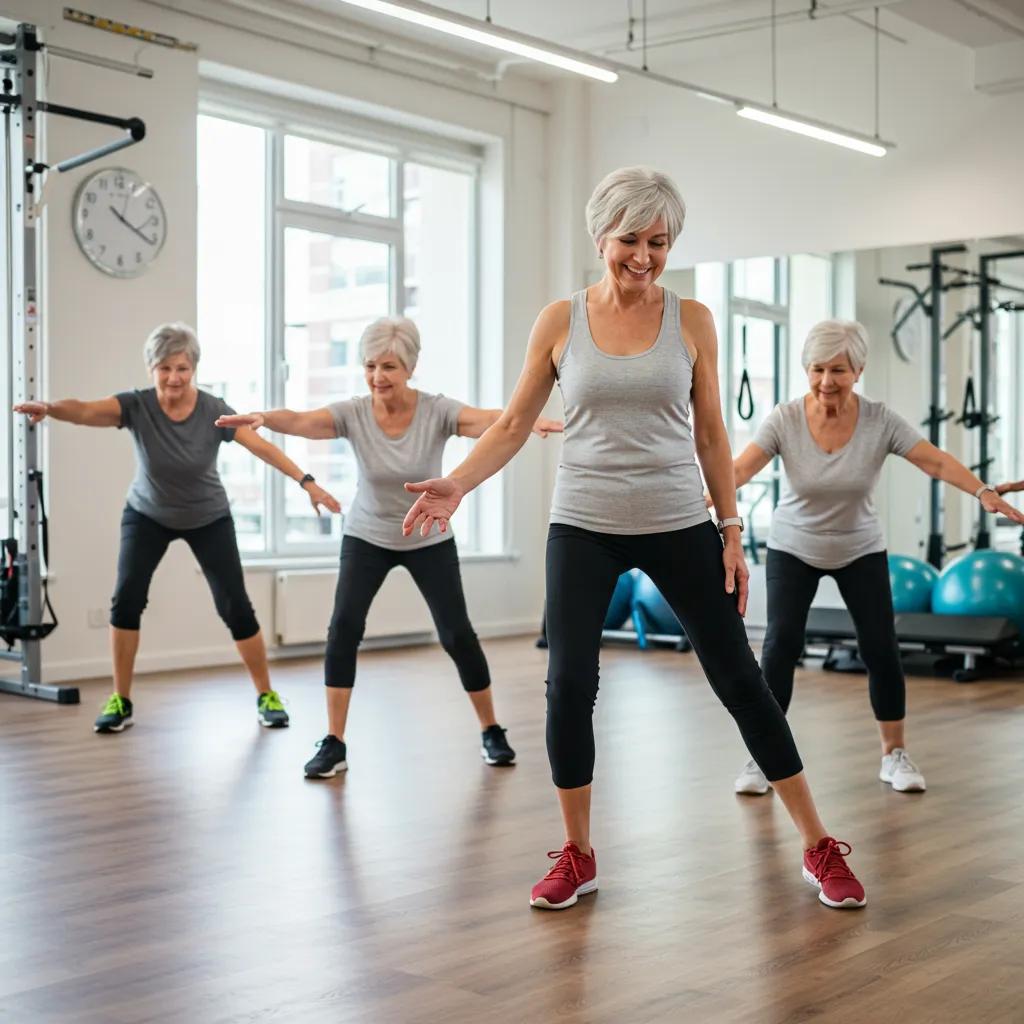
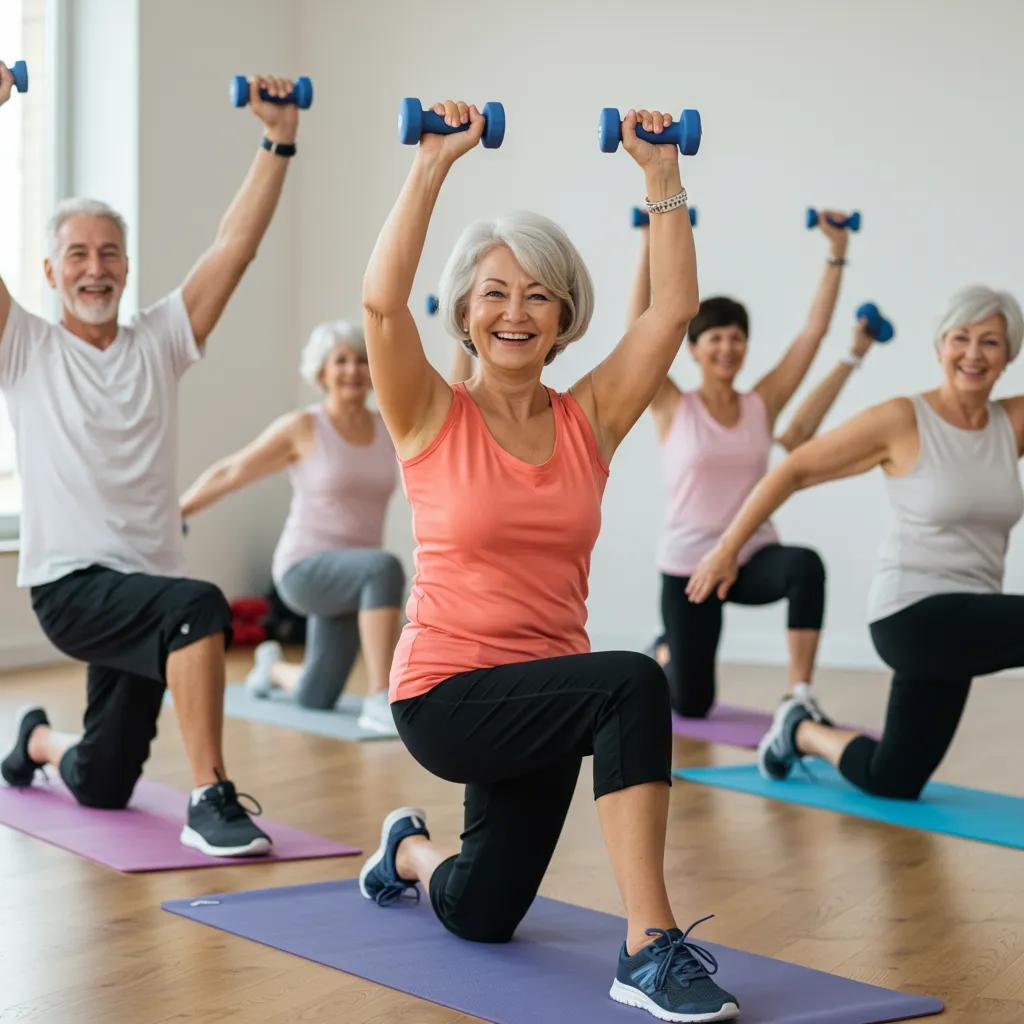
Small group workout classes for seniors are structured sessions with limited participants that combine instructor oversight, progressive exercises, and peer support to deliver physical and social outcomes. The small-group mechanism — lower class size, guided progression, and tailored modifications — increases safety and adherence while improving functional capacity. Current research and geriatric exercise guidance emphasize that supervised, progressive group training enhances muscle strength, balance, and daily function faster than unsupervised activities, making small groups a strategic choice for older adults. Below is a concise list of core benefits with one-line explanations suitable for quick decisions.
Small-group classes offer these primary benefits:
- Improved strength: Supervised resistance training increases muscle power for daily tasks.
- Better balance: Focused balance drills reduce fall risk and improve stability.
- Increased mobility: Functional movements restore range of motion for independence.
- Cardiovascular support: Low-impact cardio options build endurance with less joint stress.
- Mental and emotional gains: Social contact and accomplishment boost mood and cognition.
- Safety and personalization: Smaller size enables real-time form checks and tailored progressions.
This table maps benefits to how they work and the typical measurable outcomes you can expect.
| Benefit | Mechanism | Typical Outcome |
|---|---|---|
| Strength | Progressive resistance and supervised technique | Greater chair-stand power and safer transfers |
| Balance | Targeted proprioceptive and stability drills | Fewer near-falls and improved gait stability |
| Mobility | Joint-friendly mobility routines and functional practice | Increased range of motion for daily tasks |
| Social health | Peer support and routine group interaction | Reduced isolation and better class adherence |
The mapping above clarifies how small-group personal training transforms training inputs into real-life improvements. Understanding these mechanisms helps prioritize class features when comparing local options.
How Do Small Group Classes Improve Strength and Mobility for Older Adults?
Small group strength and mobility sessions combine progressive resistance, functional movement patterns, and technique coaching to produce faster, safer gains than unsupervised routines. In small classes, instructors can monitor form during exercises such as sit-to-stand progressions, supported squats, and resisted step-ups, ensuring load and volume match each participant’s capacity. This guided progression reduces injury risk while stimulating neuromuscular adaptations that translate to improvements in activities like climbing stairs or carrying groceries. Over an 8–12 week period, consistent attendance commonly yields measurable increases in strength and functional tests when exercises follow evidence-based senior training principles.
Why Is Social Connection Important in Senior Fitness Groups?
Social connection within small-group classes increases motivation, accountability, and long-term participation, which are crucial for sustained health benefits. Group routines create predictable social rhythms — greeting peers, shared warm-ups, and brief post-class conversations — that strengthen social bonds and increase attendance rates. Reduced isolation from regular group activity links to better mood and cognitive engagement in current studies, so the psychosocial mechanism is integral to physical outcomes. Because social support often determines whether seniors continue exercising, the group element is as important as the exercise prescription itself.
Which Types of Small Group Workout Classes Are Best for Seniors in Stamford?
Different small-group modalities meet different goals; choosing among them depends on mobility, health conditions, and personal preferences. Strength-focused classes use resistance bands, light weights, and functional patterns ideal for improving muscle mass and bone health. Balance classes center on stability drills, gait training, and perturbation practice to reduce falls. Low-impact cardio (including seated or gentle aerobics) and water-based sessions provide cardiovascular benefits with low joint stress. Chair-based and modified yoga or tai chi emphasize flexibility, posture, and breath control for those with limited standing tolerance. Combining two or more modalities often yields the broadest functional gains.
Compare common class types, their intensity and accessibility, and who benefits most: nutrition coaching
| Class Type | Intensity / Accessibility | Best For |
|---|---|---|
| Strength training | Moderate intensity; adaptable to chairs | Seniors needing muscle and bone support |
| Balance classes | Low-moderate; focus on standing and transition drills | Those at fall-risk or with gait instability |
| Water aerobics | Low-impact buoyant resistance | People with arthritis or joint pain |
| Yoga / Tai Chi / Chair classes | Low intensity; high adaptability | Mobility, flexibility, and stress reduction seekers |
This comparison helps match health goals to class structure and accessibility, making it easier to plan a balanced weekly routine that addresses strength, balance, and cardio.
What Are the Advantages of Strength Training and Balance Classes for Seniors?
Strength and balance classes target the primary drivers of independence: muscle power and postural control. Progressive resistance in a small-group setting improves muscular endurance, bone-loading stimulus, and functional strength needed for transfers and stair negotiation. Balance-specific training — including tandem stands, single-leg practice, and reactive stepping — trains neuromuscular responses that directly reduce fall incidence and fear of falling. When combined, these modalities shorten the timeline to functional improvement, with many participants seeing meaningful gains in 8–12 weeks of consistent, supervised practice.
How Do Low-Impact Classes Like Yoga, Tai Chi, and Water Aerobics Support Senior Health?
Low-impact modalities protect joints while improving flexibility, balance, and cardiovascular health, which is especially valuable for seniors with chronic pain or mobility limitations. Water classes use buoyancy to reduce weight-bearing stress while still providing resistance, making them ideal for arthritis management and safe cardio conditioning. Tai chi and chair-adapted yoga emphasize controlled movement and mindful breath, supporting proprioception, posture, and stress reduction. These gentle formats are often accessible to a wide range of fitness levels and pair well with strength or balance sessions to create a comprehensive program.
How Can Seniors Choose the Right Small Group Fitness Class in Stamford?

Choosing the right small-group class starts with clear goals, an honest assessment of limitations, and targeted questions about instructor skills and facility accessibility. Begin by defining priorities (e.g., fall prevention, strength, pain management), then seek classes that advertise small sizes, progressive plans, and instructor experience with older adults. Confirm the facility’s accessibility features — ramps, pool lifts, accessible bathrooms — and class timing that fits your schedule. Finally, try a class or ask about trial sessions and modifications to ensure the format feels safe and enjoyable.
Use this step-by-step checklist to evaluate and compare local classes:
- Define your goal: Prioritize strength, balance, mobility, or social engagement.
- Ask about trainer experience: Confirm the instructor works with older adults and can modify exercises.
- Check class size and progression: Prefer classes with limited participants and structured progressions.
- Assess accessibility and schedule: Ensure times, transit, and facility features suit your needs.
- Trial and review: Attend a trial session, observe safety practices, and ask about outcome tracking.
When contacting local providers, use neutral, verifiable steps: call or email to ask about class types, request information on trainer qualifications and class size, inquire about accessibility accommodations and trial classes, and compare how progress is tracked. Local fitness centers, community centers, and senior centers typically provide these details; asking for a short trial and written class plan will reveal how senior-focused the program truly is.
What Trainer Qualifications Should Seniors Look for in Stamford Fitness Programs?
Seniors should prioritize instructors with formal training in senior fitness, corrective exercise, or clinical exercise skills, plus basic emergency certifications like first aid and CPR. Relevant qualifications include certifications that emphasize aging physiology, safe progression, and medical considerations such as arthritis or cardiovascular disease. Ask prospective trainers how they adapt exercises, monitor fatigue and form, and measure progress for participants with chronic conditions. Clear communication style, patience, and demonstrated experience with progressive, individualized plans are reliable indicators of a competent senior fitness instructor.
Where Are the Best Locations and Schedules for Senior Small Group Classes in Stamford?
Select venues that combine accessibility, appropriate equipment, and convenient scheduling to maximize consistency and safety. Community centers, accessible gyms with elevator and ramp access, studios with small-class policies, and pools with safe entry options are typical venues that host senior small-group formats. Morning and mid-day classes often suit older adults’ energy rhythms and transportation availability, while proximity to public transit or reliable parking supports attendance. Evaluate local options by visiting facilities, checking equipment condition, and confirming accessible changing rooms and pool entry if water classes are important.
What Are the Costs and Options for Small Group Senior Workout Programs in Stamford?
Small-group senior programming can follow several pricing models — drop-in, monthly membership, multi-class packs, and subsidized community offerings — each with trade-offs between flexibility and value. Drop-in rates give maximum scheduling freedom but can be costly per session; monthly memberships lower per-class cost if attendance is regular; class packs balance commitment and savings; and community or municipal programs often offer low-cost or free classes for eligible seniors. Virtual and hybrid options provide convenience and weather-proof access but may require tech support. When comparing true cost, include travel, required equipment, cancellation policies, and trial availability in your assessment.
Common pricing models and considerations:
- Drop-in sessions: Flexible but typically highest per-class cost.
- Monthly memberships: Best value for regular attendees with predictable schedules.
- Class packs: Midway option for occasional but committed participants.
- Subsidized/community classes: Low-cost or free options through senior centers or nonprofits.
| Pricing Model | Pros | Cons / Typical Consideration |
|---|---|---|
| Drop-in | High flexibility | Higher per-class cost; limited savings |
| Monthly membership | Lower per-class price with regular attendance | Requires commitment to schedule |
| Class pack | Balance between cost and flexibility | May expire or have blackout restrictions |
| Community/subsidized | Affordable or free access | Limited availability and possible waitlists |
This framework helps you compare offers on more than headline price; base decisions on weekly attendance plans and total monthly expenditure, not only sticker rates.
Are There Free or Affordable Senior Exercise Classes Available Locally?
Affordable options often come from municipal senior centers, nonprofit community programs, and library or health-partnered classes that subsidize instructor costs. To find these, contact local senior centers or community recreation departments, ask about sliding-scale options or scholarships, and check seasonal program schedules for special low-cost sessions. Many organizations offer free demonstration classes or short-term series that allow seniors to try formats without financial commitment. When affordability is a priority, prioritize programs that provide safe modifications and consistent supervision even when cost is low.
What Virtual or Hybrid Small Group Classes Are Offered for Stamford Seniors?
Virtual small-group classes range from live, instructor-led video sessions to hybrid models that allow in-person and streaming participation simultaneously. Live virtual formats deliver convenience and continuity when weather or transit is a barrier, while hybrid classes let participants combine occasional in-person feedback with remote attendance. Evaluate virtual options for clear instructor feedback mechanisms, manageable class sizes in the video interface, and technical support for setup. For many seniors, starting with a hybrid or live-streamed trial plus one in-person session ensures safety and builds confidence with technology before fully committing to remote formats.
Frequently Asked Questions
What should seniors consider when starting a new fitness program?
When starting a new fitness program, seniors should consider their current health status, fitness goals, and any existing medical conditions. It’s essential to consult with a healthcare provider before beginning any exercise regimen. Additionally, seniors should look for classes that offer modifications and are led by qualified instructors experienced in working with older adults. Assessing the class environment for safety features, such as non-slip floors and accessible equipment, is also crucial to ensure a safe and enjoyable experience.
How often should seniors participate in small group workout classes?
Seniors are generally encouraged to participate in small group workout classes at least two to three times a week for optimal benefits. This frequency allows for consistent practice, which is essential for improving strength, balance, and mobility. However, the ideal frequency may vary based on individual fitness levels and goals. It’s important for seniors to listen to their bodies and adjust their participation based on how they feel, ensuring they maintain a balance between activity and recovery.
Can seniors with chronic conditions benefit from small group classes?
Yes, seniors with chronic conditions can significantly benefit from small group classes tailored to their needs. Many classes are designed to accommodate various health issues, such as arthritis, heart disease, or diabetes. Instructors trained in senior fitness can provide modifications and ensure exercises are safe and effective. Participating in these classes can help improve overall health, manage symptoms, and enhance quality of life through increased strength, flexibility, and social interaction.
What role does nutrition play in conjunction with exercise for seniors?
Nutrition plays a vital role in enhancing the benefits of exercise for seniors. A balanced diet rich in essential nutrients supports muscle recovery, energy levels, and overall health. Seniors should focus on consuming adequate protein to maintain muscle mass, along with fruits, vegetables, whole grains, and healthy fats. Staying hydrated is also crucial, especially during physical activity. Combining proper nutrition with regular exercise can lead to improved outcomes in strength, balance, and overall well-being.
How can caregivers support seniors in their fitness journey?
Caregivers can play a crucial role in supporting seniors’ fitness journeys by encouraging participation in small group classes and helping them set realistic fitness goals. They can assist with transportation to classes, provide reminders for scheduled sessions, and help track progress. Additionally, caregivers can participate in activities with seniors, fostering a sense of companionship and motivation. Understanding the specific needs and preferences of the senior can also help in selecting the most suitable classes and ensuring a positive experience.
What are some signs that a senior should stop exercising or modify their routine?
Seniors should consider stopping or modifying their exercise routine if they experience unusual pain, dizziness, shortness of breath, or any other concerning symptoms during or after workouts. Additionally, if they feel excessively fatigued or notice a decline in their ability to perform exercises safely, it may be time to reassess their routine. Consulting with a healthcare provider or fitness instructor can help determine the best course of action, ensuring that exercise remains safe and beneficial.
Conclusion
Engaging in small group workout classes offers seniors in Stamford a unique blend of personalized instruction and social interaction, leading to improved strength, balance, and overall well-being. These classes not only enhance physical health but also foster a sense of community, making exercise a more enjoyable and sustainable endeavor. By prioritizing safety and tailored progressions, seniors can confidently choose classes that align with their fitness goals. Discover the variety of small group classes available in your area and take the first step towards a healthier, more active lifestyle today.