Strength training is one of the smartest, most practical investments older adults in Stamford can make for long-term independence. It’s not about lifting heavy like a bodybuilder—it’s about building the strength, balance, and mobility you need to keep living life on your terms: climbing stairs without pain, getting up from a chair easily, carrying groceries, traveling confidently, and staying active year-round.
In a city like Stamford—where daily life can include walking downtown, navigating stairs in multi-level homes or apartments, keeping up with grandkids, and managing busy schedules—strength training becomes a real life tool, not just a workout.
Below is a clear, evidence-informed guide to why strength training matters as we age, what it improves, and how to get started in a way that feels safe and sustainable.
1) Keeps you independent with real-world strength
A good strength program improves the exact abilities that support independence:
- Standing up from chairs and getting in/out of cars
- Carrying groceries, laundry, or luggage
- Reaching overhead safely (cabinets, lifting a suitcase)
- Getting up from the floor if you ever need to
This isn’t abstract fitness. It’s daily function—and it becomes more valuable with every decade.
2) Improves balance and helps reduce fall risk
Falls often aren’t caused by “clumsiness”—they’re frequently linked to reduced leg strength, slower reaction time, and limited stability. Strength training targets the systems that keep you upright: 5 movements everyone needs to train
- Stronger hips and legs (especially glutes and quads)
- Better ankle and foot control
- Stronger core for posture and coordination
- Improved confidence moving on uneven surfaces
In Stamford, where sidewalks, curbs, and winter conditions can be unpredictable, balance and strength are protective.
3) Supports joint health and reduces aches from daily life
Strength training gets a bad reputation as “hard on joints,” but well-programmed training often does the opposite: it strengthens the muscles that support joints.
When hips, glutes, hamstrings, and core get stronger, many people feel more stable in their: 5 movements everyone needs
- Knees (stair comfort improves)
- Hips (walking feels smoother)
- Back (less strain from bending/lifting)
- Shoulders (less discomfort reaching or carrying)
The key is smart exercise selection, good form, and gradual progression—not pushing through sharp pain. gradual progression
4) Helps maintain bone strength as you age
Bones respond to resistance and load. Strength training—especially lower-body movements like sit-to-stands, squats to a box, step-ups, and loaded carries—can support bone health over time.
If you have osteopenia or osteoporosis concerns, you can still strength train, but you’ll want a plan tailored to your needs (range of motion, tempo, impact level, and safe progressions).
5) Protects muscle mass and improves metabolism
Age-related muscle loss can make everyday tasks feel harder and can slow metabolic health. Strength training helps preserve (and often rebuild) lean muscle, which supports: 5 movements everyone needs to train.
- Healthy body composition (the “toned” look)
- Easier weight maintenance
- Better glucose control and energy
- More stamina for walking, hobbies, and travel
Even if weight loss isn’t your goal, maintaining muscle is one of the best anti-aging moves available.
6) Improves posture and breathing mechanics
Older adults often develop rounded shoulders and a forward head posture—especially with lots of sitting. Strength training improves posture by strengthening: the best fitness programs for adults.
- Upper back and rear shoulders (rows, face pulls, band pull-aparts)
- Core stability (better spinal control)
- Glutes and hips (improved alignment)
Better posture can reduce neck/shoulder tension and make walking feel more efficient. blog
7) Boosts confidence, mood, and brain-body coordination
Strength training is a mental win as much as a physical one. Learning movements, tracking progress, and feeling stronger tends to improve: progressions regressions.
- Confidence and independence
- Mood and stress resilience
- Sleep quality (especially with consistent routines)
- Coordination and movement control
Progress becomes measurable: more reps, better form, easier stairs—proof you’re getting stronger.
8) Makes cardio and daily activity easier
Strength training doesn’t replace cardio—but it makes cardio easier. When your legs and core are stronger, walking, biking, swimming, and hiking feel less exhausting. Many older adults in Stamford find that getting stronger naturally increases daily movement because everything feels more doable.
What effective strength training looks like for older adults

Great starting plan
- 2–3 full-body sessions per week
- Emphasis on controlled technique and joint-friendly ranges
- Gradual progression (reps first, then weight)
- Built-in mobility and balance
- Sit-to-stand / squat-to-box
- Hip hinge (deadlift pattern with dumbbells or kettlebell)
- Row (bands/cables/dumbbells)
- Push (incline push-ups or dumbbell press)
- Carry (farmer or suitcase carries)
- Core stability (dead bug, Pallof press)
If you have medical conditions, recent surgery, or persistent pain, coordinate with your clinician and consider working with a qualified coach who can modify safely. Why Is Strength Training Essential for Older Adults?
Strength training is crucial for older adults as it helps combat the natural decline in muscle mass and strength that occurs with aging. This process, known as sarcopenia, can lead to decreased mobility and increased risk of falls. Engaging in regular strength training can significantly improve overall health, enhance quality of life, and promote independence in daily activities.
How Does Strength Training Combat Age-Related Muscle Loss?
Sarcopenia is defined as the age-related loss of muscle mass and strength, which can begin as early as the age of 30. Research indicates that older adults can lose approximately 3-8% of muscle mass per decade after this age. Strength training combats this decline by stimulating muscle protein synthesis, which helps to rebuild and maintain muscle mass. Regular resistance training not only preserves existing muscle but also promotes the growth of new muscle fibers, leading to improved strength and functionality.
What Role Does Strength Training Play in Maintaining Bone Density and Preventing Osteoporosis?
Strength training plays a vital role in maintaining bone density and preventing osteoporosis, a condition characterized by weak and brittle bones.
Studies have shown that weight-bearing and resistance exercises can increase bone mineral density, reducing the risk of fractures.
Exercises such as squats, deadlifts, and resistance band workouts are particularly effective in promoting bone health.
By incorporating strength training into their routines, older adults can enhance their bone strength and overall skeletal health, leading to a lower risk of osteoporosis-related injuries.
How Does Strength Training Improve Balance and Reduce Fall Risk in Seniors?
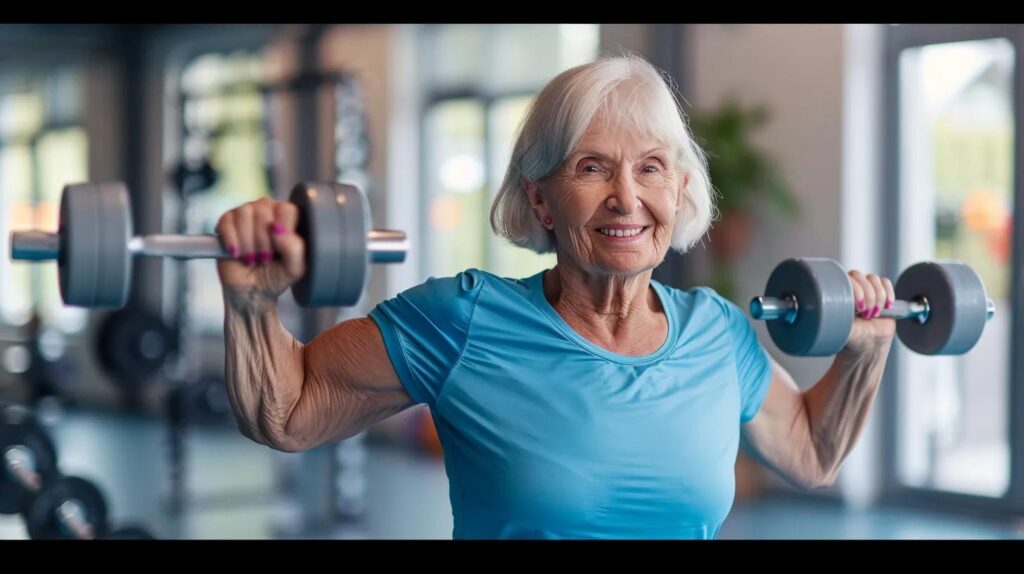
Improving balance is essential for older adults, as falls are a leading cause of injury and death in this population. Strength training enhances balance by strengthening the muscles that support stability and coordination.
Which Strength Exercises Enhance Balance and Coordination for Older Adults?
Several strength exercises are particularly beneficial for enhancing balance and coordination in older adults. These include: 5 movements everyone needs to train.
- Single-leg stands: This exercise improves stability by challenging the body’s balance.
- Heel-to-toe walks: Walking in a straight line while placing one foot directly in front of the other enhances coordination.
- Chair rises: Standing up from a seated position strengthens leg muscles and improves functional mobility.
Incorporating these exercises into a regular fitness routine can significantly reduce the risk of falls among seniors.
What Are the Statistics on Falls and How Can Strength Training Help Prevent Them?
Statistics reveal that approximately one in four older adults experiences a fall each year, leading to serious injuries such as fractures and head trauma. Strength training can help prevent falls by improving muscle strength, coordination, and balance. Research shows that older adults who engage in regular strength training are about 30% less likely to fall compared to those who do not. By focusing on strength-building exercises, seniors can enhance their stability and reduce their fall risk. fitness programs for adults 55
What Are the Benefits of Strength Training for Joint Health and Arthritis Relief?
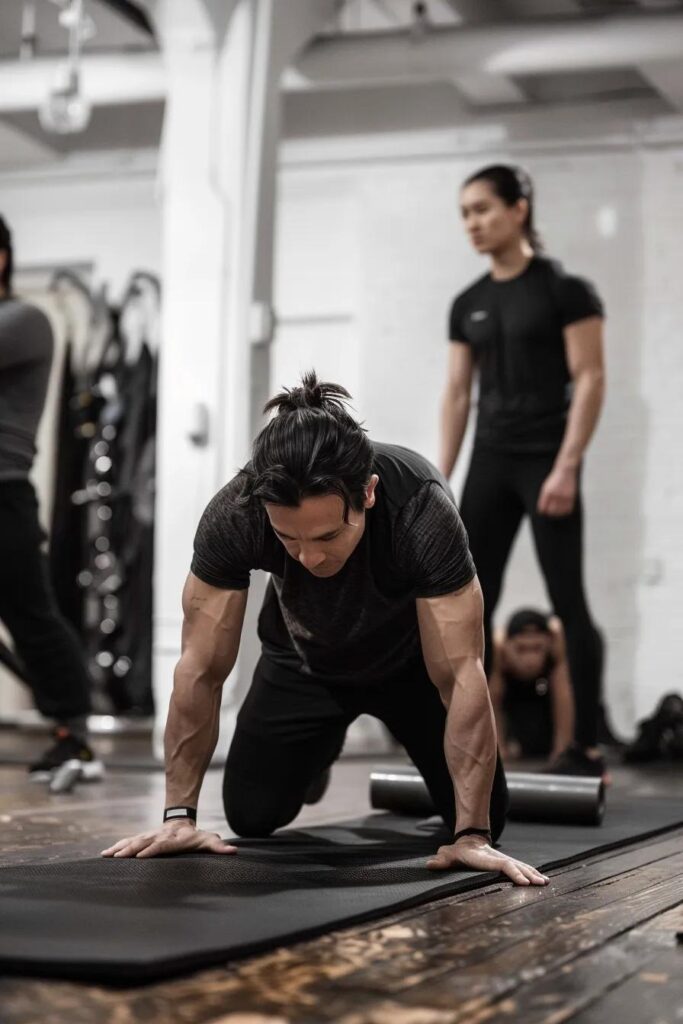
Strength training offers numerous benefits for joint health, particularly for those suffering from arthritis. By strengthening the muscles surrounding the joints, resistance training can alleviate pain and improve mobility. 5 movements everyone needs to train
How Does Resistance Training Alleviate Joint Pain and Improve Mobility?
Resistance training helps alleviate joint pain by strengthening the muscles that support the joints, reducing the strain on them during daily activities. Additionally, it promotes the production of synovial fluid, which lubricates the joints and enhances mobility. Many studies have shown that individuals with arthritis who engage in regular strength training experience reduced pain and improved joint function, allowing them to maintain an active lifestyle.
Which Exercises Are Safe and Effective for Seniors with Arthritis?
For seniors with arthritis, certain exercises are particularly safe and effective. These include: 5 movements everyone needs to train.
- Water aerobics: The buoyancy of water reduces stress on the joints while providing resistance.
- Resistance band exercises: Bands offer a low-impact way to strengthen muscles without excessive strain.
- Bodyweight exercises: Movements like wall sits and modified push-ups can be performed safely and effectively.
These exercises can help seniors manage their arthritis symptoms while improving overall strength and mobility.
How Does Strength Training Boost Metabolism and Support Weight Management After 50?
As metabolism naturally slows with age, strength training becomes increasingly important for weight management. Building muscle mass through resistance training can help boost metabolic rate, making it easier to maintain a healthy weight.
What Is the Impact of Muscle Building on Metabolic Rate in Older Adults?
Muscle tissue is metabolically active, meaning it burns more calories at rest compared to fat tissue. By increasing muscle mass through strength training, older adults can enhance their resting metabolic rate, which can aid in weight management. Research indicates that even a modest increase in muscle mass can lead to meaningful improvements in metabolic health, making strength training a valuable tool for seniors looking to maintain a healthy weight.
How Can Resistance Training Help Manage Chronic Conditions Like Diabetes and Heart Disease?
Resistance training has been shown to have positive effects on chronic conditions such as diabetes and heart disease. For individuals with diabetes, strength training can improve insulin sensitivity and glucose metabolism, helping to manage blood sugar levels. Additionally, regular strength training can lower blood pressure and improve cardiovascular health, reducing the risk of heart disease. By incorporating strength training into their fitness routines, older adults can effectively manage these chronic conditions and enhance their overall health.
What Are the Mental and Emotional Benefits of Strength Training for Older Adults?
Strength training not only benefits physical health but also has significant mental and emotional advantages. Engaging in regular exercise can improve mood, reduce stress, and enhance cognitive function.
How Does Exercise Improve Mood, Reduce Stress, and Enhance Cognitive Function?
Exercise, including strength training, stimulates the release of endorphins, which are known as “feel-good” hormones. This natural boost can lead to improved mood and reduced feelings of anxiety and depression. Furthermore, regular physical activity has been linked to enhanced cognitive function, including better memory and concentration. For older adults, these mental health benefits are crucial for maintaining a high quality of life.
Can Strength Training Boost Confidence and Promote Active Aging?
Strength training can significantly boost confidence in older adults by improving physical capabilities and promoting independence. As seniors become stronger and more capable, they may feel more empowered to engage in social activities and pursue new interests. This sense of confidence can lead to a more active and fulfilling lifestyle, promoting the concept of active aging.
How Can Personalized Strength Training Programs Support Older Adults in Stamford, CT?
Personalized strength training programs are essential for older adults, as they cater to individual needs and fitness levels. In Stamford, CT, Core Principles Personal Training offers tailored fitness and nutrition services designed specifically for individuals aged 50 and over.
What Makes Small Group Personal Training Ideal for Individuals 55+?
Small group personal training provides a supportive and motivating environment for older adults. Participants can benefit from social interaction while receiving personalized attention from trainers. This format encourages accountability and fosters a sense of community, making it easier for seniors to stay committed to their fitness goals.
How Does Nutrition Coaching Complement Strength Training for Active Seniors?
Nutrition coaching is a vital component of any strength training program, especially for older adults. Proper nutrition supports muscle recovery and overall health, ensuring that seniors can maximize the benefits of their training. By addressing dietary needs and providing tailored nutrition plans, trainers can help older adults achieve their fitness goals more effectively.
| Benefit | Description | Impact Level |
|---|---|---|
| Muscle Preservation | Strength training helps maintain muscle mass, combating sarcopenia. | High |
| Bone Health | Weight-bearing exercises improve bone density, reducing fracture risk. | High |
| Joint Support | Strengthening muscles around joints alleviates pain and enhances mobility. | Medium |
| Metabolic Boost | Increased muscle mass elevates resting metabolic rate, aiding weight management. | High |
| Mental Well-being | Regular exercise improves mood and cognitive function, enhancing quality of life. | High |
Strength training is a powerful tool for older adults, offering numerous benefits that enhance physical, mental, and emotional health. By incorporating personalized strength training programs, seniors can combat age-related decline, improve balance, support joint health, and promote active aging.
In Stamford, CT, Core Principles Personal Training is dedicated to helping older adults achieve their fitness goals in a supportive environment, ensuring they can lead healthier, more active lives.
Frequently Asked Questions
Is strength training safe for seniors?
For most older adults, yes—when intensity is appropriate, form is coached, and progress is gradual. The safest programs prioritize control, stability, and consistency over “max effort.”
How many days per week should I strength train?
Most people do best with 2–3 days per week. Two days is enough to build strength; three days often improves progress and consistency if recovery is good.
Do I need heavy weights?
No. You need resistance that feels challenging for you. That can be bodyweight, bands, machines, dumbbells, or kettlebells. Over time, slowly increasing resistance keeps results coming.
What if I have arthritis or joint pain?
Strength training can help, but it needs modifications: comfortable ranges of motion, slower tempo, and smart exercise substitutions. If pain is sharp or worsening, consult a clinician or physical therapist.
Can strength training help with balance?
Yes—especially when combined with simple balance drills. Stronger hips, legs, and core improve stability and reduce the “wobble factor” in daily movement.
How long until I notice results?
Many people feel steadier and more energetic in 2–4 weeks. More visible changes in strength, posture, and body composition often show up in 8–12 weeks with consistent training.
Should I still do cardio?
Yes. A strong combo is 2–3 strength sessions weekly + walking or light cardio most days. Strength helps you stay capable; cardio supports heart health and stamina.
Conclusion
For older adults in Stamford, strength training is one of the most effective ways to stay independent, steady, and confident—now and for years ahead. It builds the strength you need for stairs, carrying, balance, and joint support; it helps preserve muscle and bone health; and it improves posture, energy, and day-to-day quality of life. Fitness programs for adults 55.
The best approach is simple: train 2–3 days per week, focus on controlled full-body movements, progress gradually, and prioritize consistency over intensity. Strength training isn’t about turning back the clock—it’s about staying capable for everything you still want to do.
If you tell me whether your audience is 55+ beginners, active seniors, or older adults returning after injury, I can tailor this into a local-SEO blog format (with Stamford neighborhood cues and stronger “near me” intent) while keeping it informational and authoritative. A strong, safe program is simple and consistent—not random.