Why Group Workout Classes in Stamford Help You Stay Consistent with Your Fitness Goals
Staying consistent with exercise is one of the biggest barriers people face when trying to reach fitness goals, and group workout classes in Stamford address that gap by combining schedule, social accountability, and expert-led programming. This article explains how structured classes and small group personal training create repeatable routines, boost motivation, reduce drop-off through clear mechanisms like scheduled sessions, peer obligations, and instructor expectations. You will learn the main behavioral and social science reasons group formats improve adherence, the physical and mental benefits that sustain long-term progress, why small-group personal training blends personalization with community, and practical steps to find classes that fit your life. Throughout the guide we reference accountability fitness strategies, the Köhler effect as a group dynamic, and actionable checklists to turn occasional attendance into weekly habit. Read on to understand how Stamford-area group exercise options — from HIIT to yoga and small-group training — can make consistent workouts easier and more rewarding.
How Do Group Workout Classes in Stamford Boost Consistency?
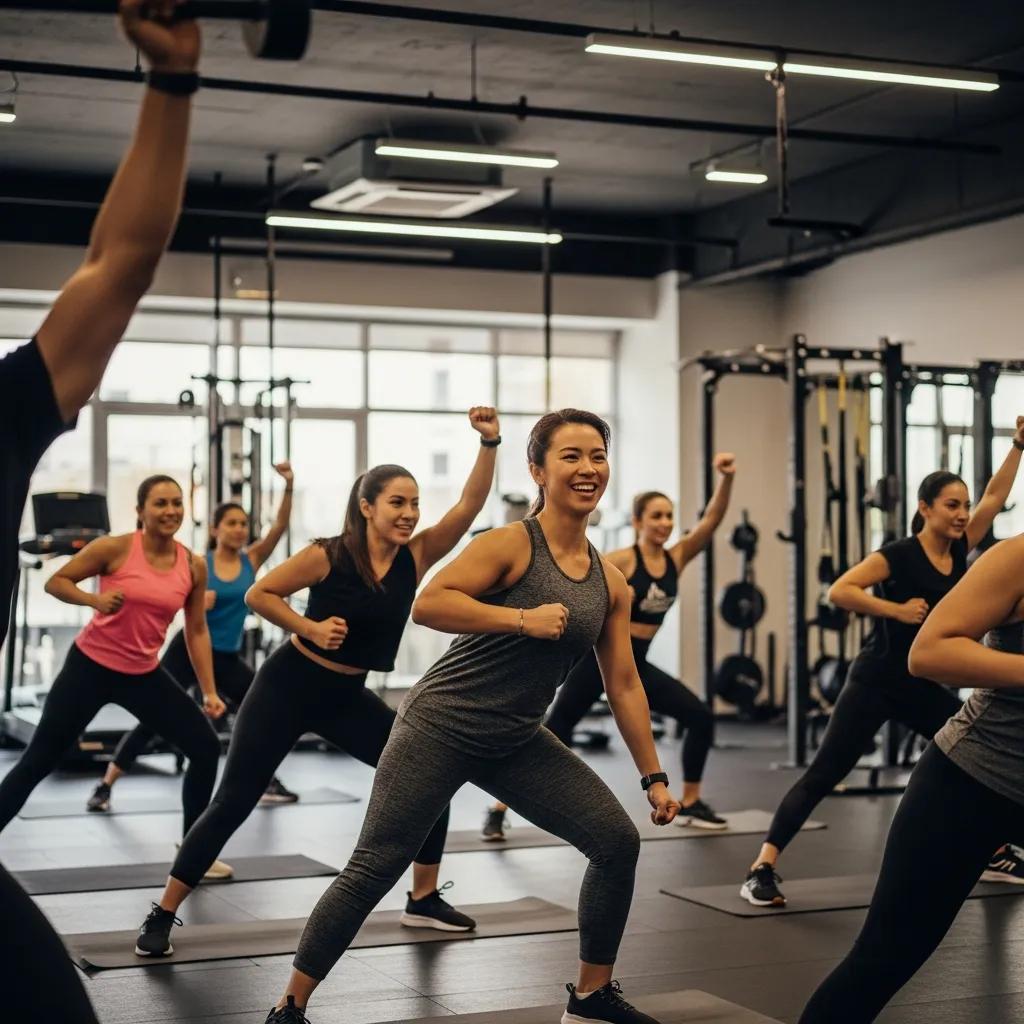
Group workout classes boost consistency by creating external structure, social accountability, and instructor-driven expectations that together increase attendance and effort. Scheduled classes act as regular cues in the week, making sessions part of a predictable routine rather than an optional activity, while peer accountability raises the psychological cost of skipping a session. Social facilitation and the Köhler effect explain why individuals often work harder in groups: when one person’s effort benefits the team, average effort rises. Instructor monitoring and explicit progress checks further anchor commitment by signaling expectations and tracking progress, which reduces drop-off and maintains momentum.
- Scheduled classes provide consistent weekly cues that form habits.
- Peer accountability creates social obligations that discourage no-shows.
- Instructor expectations and monitoring reinforce effort and progression.
These mechanisms interact: predictable schedules cue attendance, and social pressure plus instructor feedback sustain engagement, setting up the next topic on accountability methods that make these effects practical.
What Role Does Accountability Play in Group Fitness?

Accountability in group fitness operates through peer, instructor, and schedule-based mechanisms that collectively increase completion rates and consistency. Peer accountability includes buddy systems, public sign-ups, and small-group check-ins that create social contracts; research and program data often show meaningful adherence improvements when peers are involved. Instructor accountability takes the form of attendance tracking, individualized feedback, and visible progression plans that make absences more noticeable and regressions easier to spot. Schedule-based accountability — fixed class times and recurring blocks — converts intention into action by reducing decision friction.
Practical ways to use accountability include choosing classes with sign-in systems, recruiting a regular class partner, and committing to class packs or recurring bookings that create cost or time commitment. These tactics make skipping a session harder and reframe attendance as fulfilling a social and scheduled obligation, which naturally leads into how group energy sustains that attendance.
How Does the Group Environment Motivate Regular Attendance?
The group environment motivates attendance by increasing enjoyment, fostering social bonds, and creating a sense of obligation that raises the perceived cost of missing class. Group energy enhances perceived exertion positively — people report classes as more enjoyable when shared — and that enjoyment becomes a reward that reinforces the habit loop of cue, routine, reward. Belonging signals and small wins in front of peers produce social reinforcement, while mild competition or team-based goals prompt extra effort via the Köhler effect.
Examples of motivational triggers include collective milestones, post-class social time, and role-modeling from consistent members; these social rewards help convert sporadic participants into regulars. Recognizing these social dynamics points to the specific physical and emotional benefits group exercise delivers, which we explore next.
What Are the Key Benefits of Group Exercise Classes in Stamford?
Group exercise classes deliver three tight benefit categories—physical improvements, mental/emotional gains, and social/community support—that together increase long-term adherence. Physically, classes offer structured progression for cardiovascular fitness, strength, and mobility specific to class type; mental health benefits include stress reduction and mood enhancement from endorphin release and social support; socially, classes create networks and accountability that sustain attendance. The combined effect is a higher probability of continuing exercise over months and years compared with unstructured solo workouts.
Common benefits across modalities include:
- Physical improvements such as increased endurance, strength gains, and better mobility.
- Mental health gains including reduced stress, improved mood, and cognitive uplift.
- Social advantages like community support, new friendships, and accountability networks.
Below is a simple comparison of class types and primary benefits to clarify which formats emphasize which outcomes.
| Class Type | Primary Benefit Category | Benefit |
|---|---|---|
| HIIT classes | Cardiovascular & metabolic | Improve aerobic capacity and calorie burn for weight control |
| Yoga classes | Flexibility & stress reduction | Enhance mobility, relaxation, and stress resilience |
| Strength training group classes | Muscle & functional strength | Increase muscle mass, bone health, and daily function |
This table shows how choosing modalities aligned with your goals can accelerate results and supports the next section on how modality and small-group formats further personalize progress.
How Does Group Fitness Improve Physical Health and Wellness?
Group fitness improves physical health by combining consistent overload, varied programming, and instructor-led progressions that safely increase capacity over time. Classes like HIIT elevate heart rate for cardiovascular gains, while strength-focused group classes build muscle and functional strength through progressive loading tailored to the group. Instructors pace sessions to match class intensity, reducing injury risk by cueing proper form and offering regressions or progressions that fit diverse fitness levels.
Consistent attendance amplifies these effects: regular classes convert short-term gains into durable improvements in endurance, strength, and body composition. Understanding these physical mechanisms feeds directly into the mental benefits that make classes sustainable.
What Mental and Emotional Benefits Come from Group Workouts?

Group workouts reduce perceived stress and elevate mood through social connection, routine, and the neurochemical effects of exercise such as endorphin and BDNF release. Recent studies and contemporary analyses indicate group-based exercise can lower stress measures and improve wellbeing metrics more than solitary workouts for many participants, since social support itself is a protective factor for mental health. Regular classes create predictable moments of stress relief and social interaction that serve as both immediate rewards and long-term resilience builders.
To maximize these emotional benefits, prioritize classes with post-session social time, instructors who foster supportive environments, and consistent scheduling to make the emotional payoff a reliable habit-forming reward.
Why Choose Small Group Personal Training in Stamford for Consistent Results?
Small group personal training combines the personalization and feedback of one-on-one coaching with the motivational dynamics of group workouts, creating an efficient model for consistent progress. In small groups, trainers can monitor form, adjust programming, and track individual progress while members benefit from peer accountability and group energy. This balance often yields faster skill acquisition, safer progression, and better adherence compared with unsupervised solo exercise or large impersonal classes.
Below is a concise comparison to illustrate differences and ideal use cases for each format.
| Format | Characteristic | Practical Outcome |
|---|---|---|
| 1:1 Personal Training | Fully individualized | Rapid skill progress and customized programming |
| Small Group Personal Training | Coach-led with peers | Personalized feedback plus group accountability and lower cost |
| Large Group Classes | Broad accessibility | High energy and community, less individual attention |
This table clarifies why small-group formats are effective for people seeking personalized progression without sacrificing the motivational benefits of community, and it leads into how the combined features operate in practice.
How Does Small Group Training Combine Personal Attention with Group Motivation?
Small group training typically uses low trainer-to-participant ratios, structured progress plans, and individualized cues within a shared session, which produces the twin benefits of personalization and peer-driven accountability. Trainers circulate to correct form, adjust loads, and provide progress markers while the group setting supplies consistent attendance cues and social reinforcement. This hybrid approach suits people who want tailored improvement but also value community encouragement and cost-effectiveness.
Ideal clients for small group training are those seeking technique feedback, measurable progression, and the social nudge of peers — a combination that promotes regular attendance and long-term adherence, which makes expert guidance all the more important.
What Makes Expert Guidance Essential for Staying Consistent?
Expert guidance matters because qualified instructors design progressive plans, correct technique to prevent injury, and adapt workouts as participants improve — all of which sustain engagement and results. Trainers serve as both educators and motivators: by tracking progress and communicating goals clearly, they make improvements visible and rewarding, reducing the plateauing that often leads to dropout. Credentials and evidence-based methods (from recognized certification frameworks) signal a coach’s ability to program safely and effectively.
Regular coaching also helps maintain novelty and appropriate challenge, keeping sessions engaging and reducing boredom-driven attrition. For those evaluating options, consider small group personal training and group workout classes in Stamford as complementary choices that prioritize accountability fitness and consistent progress; check local class schedules or try a trial class to assess fit.
How Can You Find the Right Group Workout Classes in Stamford to Stay Consistent?
Finding the right class is about matching goals, schedule, and community vibe so attendance becomes automatic rather than optional. Start by identifying your main objective (strength, flexibility, stress relief), then look for frequent class times that match your weekly routine. Assess instructor style and community energy during a trial to see if you feel welcomed and challenged, and prioritize studios that offer recurring blocks or class packs to create commitment devices.
Use this short step-by-step checklist to evaluate local options:
- Match the class modality to your primary goal and fitness level.
- Choose studios with frequent, consistent class times that fit your calendar.
- Trial a class and observe instructor cues, member interactions, and progression structure.
This checklist helps you narrow choices quickly; next consider popular local modalities and how each supports consistency.
What Types of Group Fitness Classes Are Popular in Stamford?
Popular group fitness modalities often include HIIT, Yoga, Pilates (including Reformer Pilates), Barre, and strength-focused group classes, each appealing to different goals and habit triggers. HIIT suits those chasing efficiency and metabolic conditioning with many short, recurring sessions that encourage regular attendance. Yoga and Pilates offer stress reduction and mobility benefits with community-focused classes that reward consistency through progressive sequencing. Strength classes and semi-private formats target muscle and functional gains and often use progressive plans that keep participants returning to track improvements.
Choosing a modality that aligns with your preferences and schedule increases the chance you’ll make it a weekly habit, which ties directly into the habit-formation tactics covered next.
How Do Scheduled Classes and Community Support Help Build Fitness Habits?
Scheduled classes and community support form the habit loop—cue, routine, reward—by providing dependable cues (class times), clear routines (session structure), and social rewards (belonging and recognition). Commitment devices such as pre-paid class packs, recurring bookings, or a workout partner increase the immediate cost of skipping and make attendance more likely. Simple tactics like adding classes to your calendar, pairing classes with a post-work social routine, or announcing attendance to a friend turn intention into consistent action.
Try these habit tactics: set a weekly recurring booking, recruit a class buddy, and choose a studio with a supportive community vibe to make workouts a stable part of your week. After assessing options locally, consider trying a nearby class or inquiring about small-group programs to lock in a schedule that supports lasting consistency.
Frequently Asked Questions
1. What should I look for in a group workout class to ensure it meets my fitness goals?
When selecting a group workout class, consider your primary fitness goals, such as strength, flexibility, or stress relief. Look for classes that align with these objectives and assess the instructor’s style and the community atmosphere during a trial session. Additionally, check for consistent class schedules that fit your routine and consider studios that offer class packs or memberships to encourage commitment. This alignment will help you stay motivated and consistent in your fitness journey.
2. How can I stay motivated to attend group classes regularly?
To maintain motivation for regular attendance, establish a routine by scheduling classes at consistent times each week. Pair your workouts with social activities, such as post-class coffee with friends, to enhance enjoyment. Additionally, consider joining a workout buddy system or participating in community challenges to foster accountability. Setting personal goals and tracking your progress can also provide motivation, making each class feel rewarding and essential to your fitness journey.
3. Are there specific group workout formats that are more effective for beginners?
Beginners may benefit from group workout formats that emphasize foundational skills and gradual progression, such as beginner-friendly yoga, Pilates, or low-impact strength training classes. These formats often provide clear instructions and modifications, making them accessible for those new to exercise. Look for classes labeled as “beginner” or “introductory,” and consider small group personal training, where instructors can offer personalized attention and guidance to help you build confidence and competence in your fitness routine.
4. How do I know if a group class is right for my fitness level?
To determine if a group class suits your fitness level, review the class description and any prerequisites listed by the studio. Many classes indicate the intensity and skill level required. Attending a trial class can also help you gauge whether the pace and exercises align with your abilities. Don’t hesitate to communicate with the instructor before class; they can provide insights and modifications to ensure you feel comfortable and challenged without being overwhelmed.
5. What are the benefits of participating in small group personal training compared to larger classes?
Small group personal training offers a unique blend of personalized attention and group motivation. With fewer participants, trainers can provide tailored feedback, monitor form closely, and adjust workouts to meet individual needs. This format fosters a supportive environment where participants can benefit from peer accountability while still receiving expert guidance. Compared to larger classes, small group training often leads to faster skill acquisition and improved adherence, making it an effective choice for those seeking consistent results.
6. How can I incorporate group workouts into a busy schedule?
Incorporating group workouts into a busy schedule requires strategic planning. Start by identifying specific days and times that work best for you, and prioritize classes that fit within those windows. Consider setting recurring reminders on your calendar to treat these sessions as non-negotiable appointments. Additionally, look for studios that offer flexible class times or on-demand options, allowing you to maintain consistency even when life gets hectic. Engaging in classes with a friend can also enhance commitment and enjoyment.
7. What role does community play in the effectiveness of group workouts?
Community plays a crucial role in the effectiveness of group workouts by fostering a sense of belonging and support among participants. This social aspect enhances motivation, as individuals are more likely to attend classes when they feel connected to others. Group dynamics can also lead to increased effort and accountability, as members encourage one another to push their limits. The shared experience of working towards fitness goals together creates a positive environment that can significantly enhance adherence and overall enjoyment of the workout.
Conclusion
Participating in group workout classes in Stamford offers a unique blend of physical, mental, and social benefits that enhance long-term fitness adherence. The structured environment fosters accountability, motivation, and community support, making it easier to stay consistent with your fitness goals. By choosing the right class that aligns with your objectives, you can transform your exercise routine into a rewarding habit. Explore local options today to find the perfect fit for your lifestyle and start your journey towards lasting fitness success.