Workout Classes in Stamford: Tailored Fitness for Adults 55+ to Improve Health and Mobility
Finding that are truly tailored to adults 55+ starts with understanding how low-impact movement, functional strength, and balance training combine to preserve independence and reduce injury risk. This article explains which class types best match common goals for older adults, outlines evidence-based strength and balance approaches, and connects nutrition and wellness practices to exercise outcomes. Many adults over 55 face joint pain, slower recovery, or fear of falling; targeted small-group programs and senior-focused classes offer modifications, progressions, and social accountability that overcome those barriers. Below we compare class styles, summarize the physiological benefits of strength and balance work, show where to find supportive programs in Stamford, and provide practical nutrition and wellness tips to boost results. Read on for quick decision tools, easy checklists to evaluate local programs, and clear next steps for trying a trial class or asking about small group options for adults 55+. The guidance uses current research and community-oriented reasoning to help Stamford residents choose safe, effective classes.
What Are the Best Workout Classes for Seniors in Stamford?
Best workout classes for seniors combine low impact cardiovascular work, structured strength training, and balance-focused movement to improve mobility and daily function. These offerings work by preserving muscle mass, maintaining bone density, and training neuromuscular control—together reducing fall risk and improving independence. Choosing the right class depends on goals: gentle cardio for joint-friendly conditioning, water-based work for buoyant movement, and sessions for progressive overload with supervision. Below is a quick comparison of common class types to help Stamford adults decide which option is most appropriate.
Different class types suit different needs and limitations:
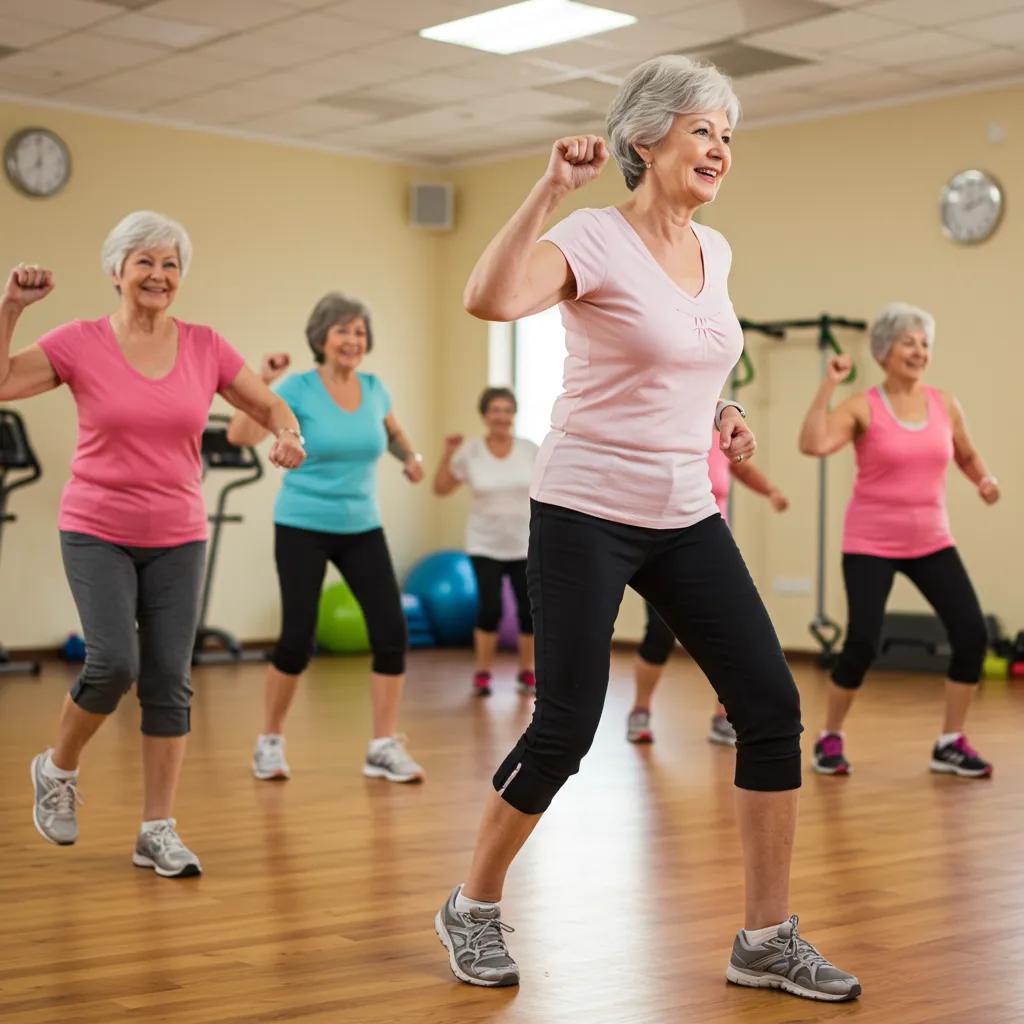
- Low-impact cardio (walking groups, gentle aerobics): Builds stamina without stressing joints.
- Water aerobics: Provides cardiovascular benefit while reducing load on knees and hips.
- Senior yoga / chair classes: Improves flexibility and mobility with accessible modifications.
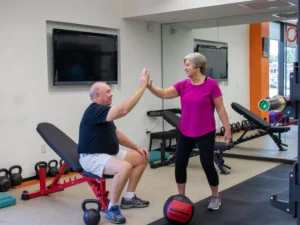
- Small group strength training: Targets muscle and bone health with guided progression.
Key takeaway: match class intensity and support to your pain, mobility, and goals before signing up.
Different class formats compared for quick scanning:
| Class Type | Characteristic | Primary Benefit |
|---|---|---|
| Water Aerobics | Low-impact, pool-based | Joint-friendly cardio and mobility |
| Senior Yoga/Chair Class | Seated options, gentle transitions | Flexibility and breath control |
| Low-Impact Cardio | Land-based, steady pace | Cardiovascular endurance, minimal joint stress |
Which Low-Impact Exercise Classes Are Ideal for Adults 55+?
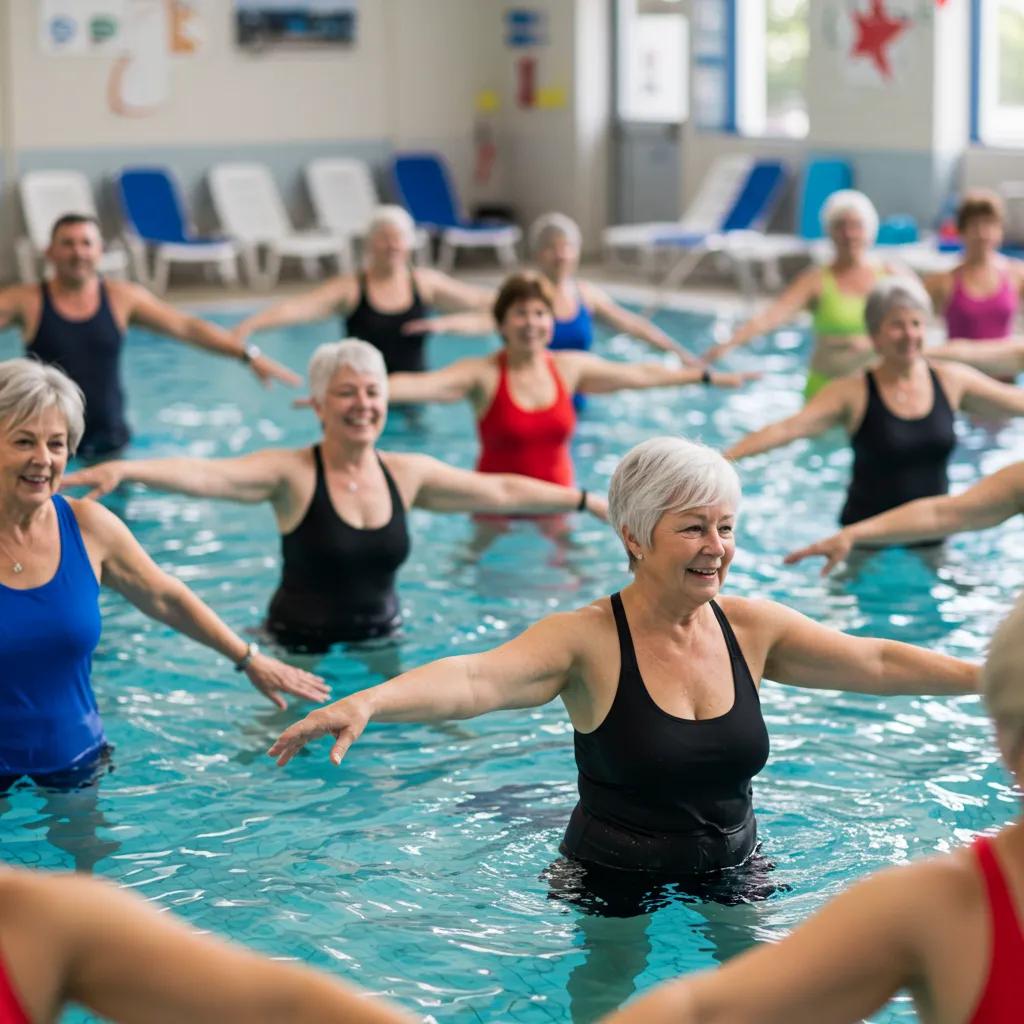
Low-impact classes let older adults raise heart rate and maintain movement without large joint forces, which is especially helpful for participants with arthritis or recent joint surgery. Typical formats include pool-based aerobics, chair-assisted strength and stretching sessions, gentle flow yoga, and structured walking groups that prioritize paced progression and rest intervals. Instructors commonly offer —such as shrinking range of motion or using support—so participants can build capacity safely while avoiding pain flares. Understanding class pacing, expected warm-up/cool-down routines, and available modifications helps individuals choose options that fit their current fitness and mobility status.
The benefits of consistent, supervised exercise for older adults are well-documented in research.
How Do Small Group Personal Training Programs Benefit Stamford Seniors?
blends individualized progression with social support and cost efficiency, making it an effective option for many adults 55+. These sessions typically run with a low trainer-to-client ratio, use functional movements tailored to daily tasks, and monitor technique to reduce injury risk while increasing strength and confidence. Participants gain measurable improvements through planned progressions, accountability from peers, and regular reassessments that track mobility and strength gains. For Stamford residents seeking targeted outcomes—like improved carrying ability or stair climbing—small groups offer personalization while preserving the camaraderie of class formats.
How Can Strength and Balance Training Improve Fitness for Adults 55+ in Stamford?
Strength and balance training improve functional independence by restoring muscle mass, enhancing bone-loading stimuli, and refining the neuromuscular responses needed for functional independence.
Mechanistically, progressive resistance training increases muscle cross-sectional area and stimulates bone remodeling, while balance drills train proprioception and reaction times that directly reduce fall risk. Practical recommendations for older adults emphasize moderate resistance 2× per week plus short, frequent balance practice integrated into daily routines. Below is a concise comparison of common exercise types, their targeted outcomes, and recommended frequency to guide .
| Exercise Type | Target Outcome | Recommended Frequency |
|---|---|---|
| Strength training (resistance bands, machines, free weights) | Preserve muscle mass & bone health | 2 sessions/week |
| Balance drills (single-leg stance, tandem steps) | Improve stability and reduce falls | Daily brief practice |
| Functional mobility (sit-to-stand, step-ups) | Improve daily task performance | 3× week integrated |
Research suggests that specialized training approaches can be more effective than traditional methods for improving specific strength capacities.
What Are the Key Benefits of Strength Training for Older Adults?
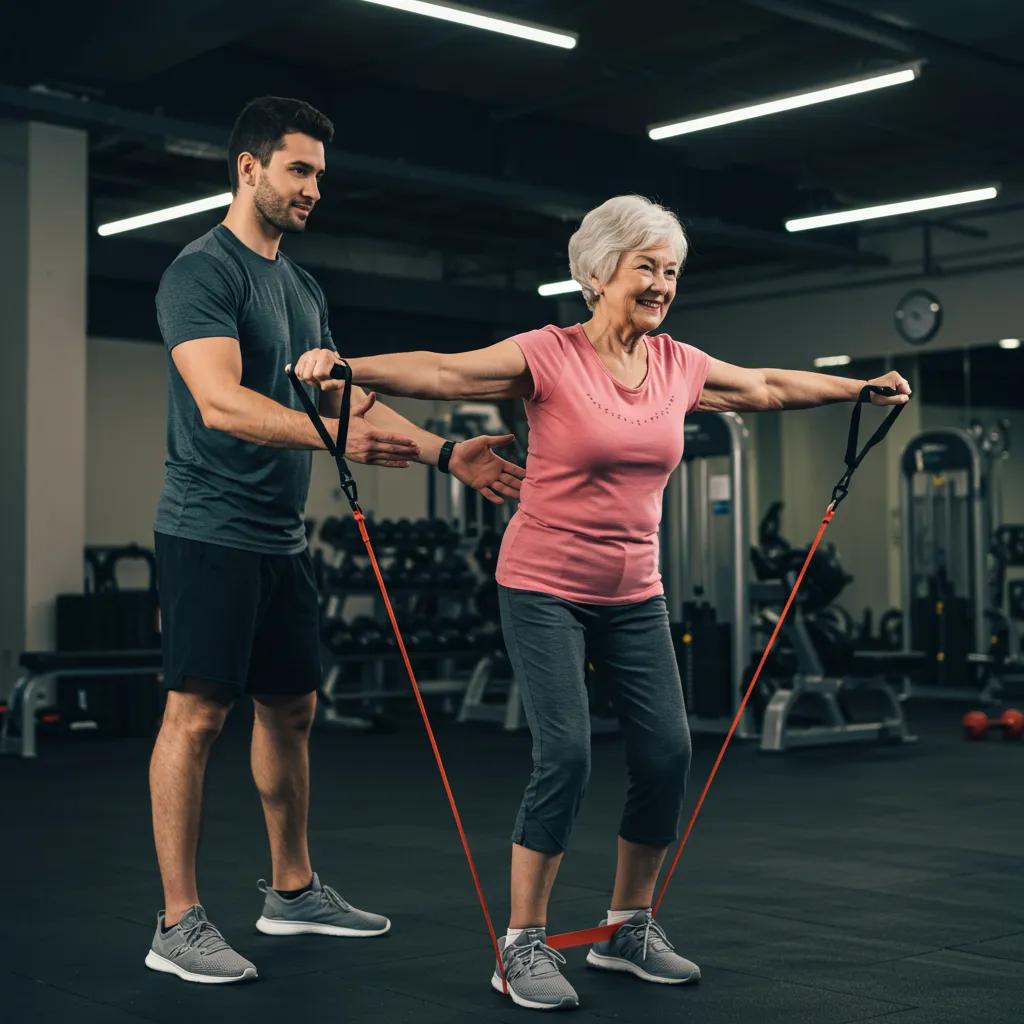
Strength training preserves independence by increasing force production for everyday tasks, protecting bone density, and improving metabolic health through greater lean mass. Evidence from exercise science shows regular resistance work improves gait speed, rising-from-chair ability, and glucose regulation—outcomes closely tied to long-term mobility and reduced healthcare burdens. Recommended programming emphasizes progressive overload with careful technique coaching, aiming for 8–12 repetitions across 1–3 sets for compound movements, adjusted to individual capacity. Trainers and participants should monitor soreness, allow adequate recovery, and consult providers when there are complex medical histories to ensure strength training.
Which Balance and Fall Prevention Exercises Are Offered in Stamford Classes?
Balance-focused class elements range from tai chi sequences to targeted single-leg progressions and reactive stepping drills, all designed to improve postural control and reduce falls. Typical progressions start with static holds, advance to controlled single-leg tasks, then add movement and cognitive dual-tasks to mimic real-world challenges. Modifications include hand support, reduced range, or seated regressions for beginners, while measurable outcomes like timed up-and-go or single-leg hold duration are used to track improvement. Class instructors often combine balance practice with strength work to reinforce stability during loaded, .
Where Can Adults 55+ Find Supportive Senior Fitness Programs in Stamford?
Adults 55+ can find supportive programming across community centers, municipal senior centers, downtown gyms with older-adult offerings, JCC-style community organizations, and boutique studios that offer focused on 50+. When evaluating options, look for instructors with senior fitness experience, small class sizes, clear modification options, accessible facilities, and flexible schedules that match your routine. Use the checklist below to compare programs quickly and decide which fits your medical needs, mobility, and social preferences. After evaluating, try a class trial or call to inquire about small group options and whether instructor credentials and class size meet your expectations.
Quick checklist to evaluate :
- Trainer qualifications: Ask about senior-specific certifications and experience with age-related conditions.
- Class size and ratio: Prefer small groups that allow form correction and safe progression.
- Accessibility and modifications: Confirm available regressions, chairs, ramps, and pool access if needed.
This checklist helps narrow choices before scheduling a visit. For Stamford residents ready to take next steps, consider these practical fitness programs.
For a practical next step, find a trial class nearby or ask local gyms and community centers about small-group options for adults 55+; request information on class duration, average class size, and whether a medical clearance is recommended. and speaking with instructors directly can reveal how programs integrate strength, balance, and low-impact cardio into weekly plans.
Beyond physical benefits, group exercise programs can significantly impact cognitive function and mood in older adults.
Who Are the Certified Trainers Specializing in Senior Fitness in Stamford?
When assessing instructors, focus on relevant certifications such as senior fitness or geriatric exercise credentials from recognized organizations, plus experience working with rehabilitation referrals and common age-related conditions. Useful questions include how they adapt progressions for osteoarthritis, osteoporosis precautions, and whether they conduct baseline mobility assessments. A qualified trainer combines credentialed knowledge with practical assessment skills to create individualized plans that minimize risk while minimizing risk. Understanding a trainer’s approach to progress monitoring and emergency preparedness also indicates program safety and professionalism.
What Success Stories Highlight the Impact of Stamford’s Senior Fitness Classes?
Anonymized success examples illustrate typical outcomes: a participant who regained confidence walking stairs after eight weeks of combined strength and balance work, another who reduced persistent knee pain and increased walking endurance through aquatic conditioning, and a third who lowered fall risk scores after attending small group sessions twice weekly. These narratives often show measurable improvements—faster timed up-and-go, greater sit-to-stand reps, and increased walking distance within a few months—demonstrating how targeted programming restores activities of daily living. Realistic help prospective participants set expectations and stay motivated.
What Nutrition and Wellness Tips Support Fitness for Adults 55+ in Stamford?
Nutrition and wellness choices amplify exercise benefits by preserving muscle, supporting bone health, and improving recovery for adults 55+. Priorities include daily protein spread across meals to support muscle protein synthesis, sufficient vitamin D and calcium for bone maintenance, and consistent hydration to offset age-related changes in fluid regulation. Practical timing—such as consuming protein within a couple hours after resistance sessions—helps recovery and adaptation. The table below summarizes key nutrients, their roles, and practical intake guidance tailored for older adults engaged in regular nutrition coaching.
| Nutrient | Role | Practical Guidance |
|---|---|---|
| Protein | Preserve muscle, aid recovery | Aim for 20–30g per meal; include lean or plant proteins |
| Vitamin D | Supports bone health and muscle function | Check levels and supplement if low, especially in winter |
| Calcium | Bone maintenance | Include dairy or fortified sources across meals |
How Does Nutrition Enhance Fitness Outcomes for Older Adults?
Protein timing and adequate daily intake are critical for maintaining lean mass and supporting recovery after resistance sessions; distributing protein across meals enhances muscle protein synthesis. Micronutrients like vitamin D and calcium support bone remodeling and muscle performance, reducing fracture risk when combined with weight-bearing exercise. Hydration and digestion considerations—such as smaller, nutrient-dense meals—help older adults sustain energy for classes and speed recovery. Integrating simple dietary adjustments with training plans yields measurable gains in strength, mobility, and .
What Wellness Practices Complement Senior Workout Classes in Stamford?
Wellness practices that support exercise adherence and outcomes include prioritized sleep for recovery, stress reduction techniques to limit catabolic effects, and social engagement to boost motivation and long-term attendance. Home-safety adaptations (grab bars, clear walkways) complement balance training by reducing environmental fall risks, while community walking groups and social programs encourage consistency. Combining these habits with structured classes creates a holistic approach: exercise builds capacity, nutrition fuels adaptation, and maintain the environment and mindset needed for sustained improvements.
Frequently Asked Questions
What should I look for in a senior fitness program?
When evaluating a senior fitness program, consider factors such as the qualifications of the trainers, class size, and the types of modifications offered. Look for instructors with certifications in senior fitness and experience with age-related conditions. Smaller class sizes allow for more personalized attention and safer progression. Additionally, ensure that the program provides accessible facilities and options for various fitness levels, including modifications for those with mobility challenges or chronic conditions.
How often should seniors participate in fitness classes?
For optimal health benefits, seniors should aim to participate in fitness classes at least two to three times a week. This frequency allows for consistent strength and balance training, which are crucial for maintaining mobility and independence. Incorporating a mix of low-impact cardio, strength training, and balance exercises can enhance overall fitness. It’s also important to listen to your body and allow for adequate recovery time between sessions, especially if you’re new to exercise or have existing health concerns.
Can nutrition impact my fitness results as a senior?
Yes, nutrition plays a vital role in enhancing fitness results for seniors. A balanced diet rich in protein, vitamins, and minerals supports muscle maintenance and recovery. Consuming adequate protein at each meal helps with muscle protein synthesis, while nutrients like vitamin D and calcium are essential for bone health. Staying hydrated is also crucial, as it aids in overall bodily functions and can improve exercise performance. Combining good nutrition coaching with regular physical activity can lead to significant improvements in strength and mobility.
What types of modifications are available in senior fitness classes?
Senior fitness classes often include various modifications to accommodate different fitness levels and physical limitations. Instructors may offer options such as chair-assisted exercises, reduced range of motion, or alternative movements that minimize joint stress. These modifications ensure that all participants can engage safely and effectively, regardless of their current fitness level or any chronic conditions they may have. It’s important to communicate any specific needs to the instructor to receive the best possible support.
How can I stay motivated to continue my fitness journey?
Staying motivated in your fitness journey can be achieved through several strategies. Setting realistic and achievable goals can provide a sense of accomplishment and keep you focused. Joining group classes fosters social connections, making workouts more enjoyable and encouraging accountability. Additionally, tracking your progress, whether through improved strength, mobility, or overall well-being, can boost motivation. Lastly, varying your routine by trying different classes or activities can keep things fresh and exciting, preventing boredom.
What are the benefits of group exercise for seniors?
Group exercise offers numerous benefits for seniors, including social interaction, motivation, and accountability. Participating in classes with peers can enhance enjoyment and foster a sense of community, which is essential for mental well-being. Group settings also provide encouragement and support, making it easier to stick to a fitness routine. Furthermore, instructors can tailor exercises to the group’s needs, ensuring that everyone receives appropriate modifications and guidance, ultimately leading to better fitness outcomes.
Conclusion
Engaging in tailored workout classes in Stamford can significantly enhance health and mobility for adults 55+, addressing common challenges like joint pain and fear of falling. These classes not only improve physical strength and balance but also foster social connections, contributing to overall well-being. To take the next step towards a healthier lifestyle, consider trying a trial class or exploring fitness programs that fit your needs. Discover the supportive fitness programs available in your community today.