As we age, maintaining heart health becomes increasingly vital, and engaging in safe, effective exercises is a key component of this process. This article explores how seniors can boost their cardiovascular fitness through tailored cardio workouts, focusing on low-impact exercises that are both safe and beneficial. Readers will learn about the various types of exercises suitable for older adults, the specific benefits of cardio, and essential safety considerations to keep in mind. By understanding these elements, seniors can take proactive steps toward enhancing their heart health and overall well-being.
Senior Cardio Workouts: Comprehensive Overview
Cardio workouts are essential for seniors as they help improve heart health, increase stamina, and enhance overall quality of life. These exercises focus on elevating the heart rate, which strengthens the heart muscle and improves circulation. For older adults, low-impact cardio options are particularly beneficial, as they reduce the risk of injury while still providing significant health benefits. Engaging in regular cardio workouts can lead to improved mobility, better weight management, and enhanced mental health, making it a crucial aspect of senior fitness.
Benefits of Cardio for Seniors:
Cardio exercises offer numerous health benefits for seniors, including: personal training for adults over 50 in stamford ct
- Improved Heart Health: Regular cardio strengthens the heart muscle, enhancing its efficiency and reducing the risk of heart disease.
- Enhanced Stamina: Engaging in consistent cardio workouts increases endurance, making daily activities easier and less tiring.
- Weight Management: Cardio helps burn calories, which can assist in maintaining a healthy weight and preventing obesity.
- Mental Health Boost: Physical activity releases endorphins, which can improve mood and reduce feelings of anxiety and depression.
- Increased Mobility: Cardio exercises improve flexibility and balance, reducing the risk of falls and injuries.
For seniors looking to enhance their heart health, Core Principles Personal Training offers specialized fitness and nutrition coaching programs tailored to adults aged 50 and above. These programs focus on safe, senior-appropriate exercise regimens that align with boosting cardiovascular fitness.
Research further underscores the broad impact of regular physical activity on preventing chronic diseases and enhancing overall well-being in older adults. >
Exercise Guidelines for Older Adults & Cardiovascular Health
Additionally, both structured exercise and overall PA play important roles as preventive strategies for many chronic diseases, including cardiovascular disease, stroke, diabetes, osteoporosis, and obesity; improvement of mobility, mental health, and quality of life; and reduction in mortality, among other benefits.
International exercise recommendations in older adults (ICFSR): expert consensus guidelines, M Izquierdo, 2021
Recommended Types of Low-Impact Exercises:
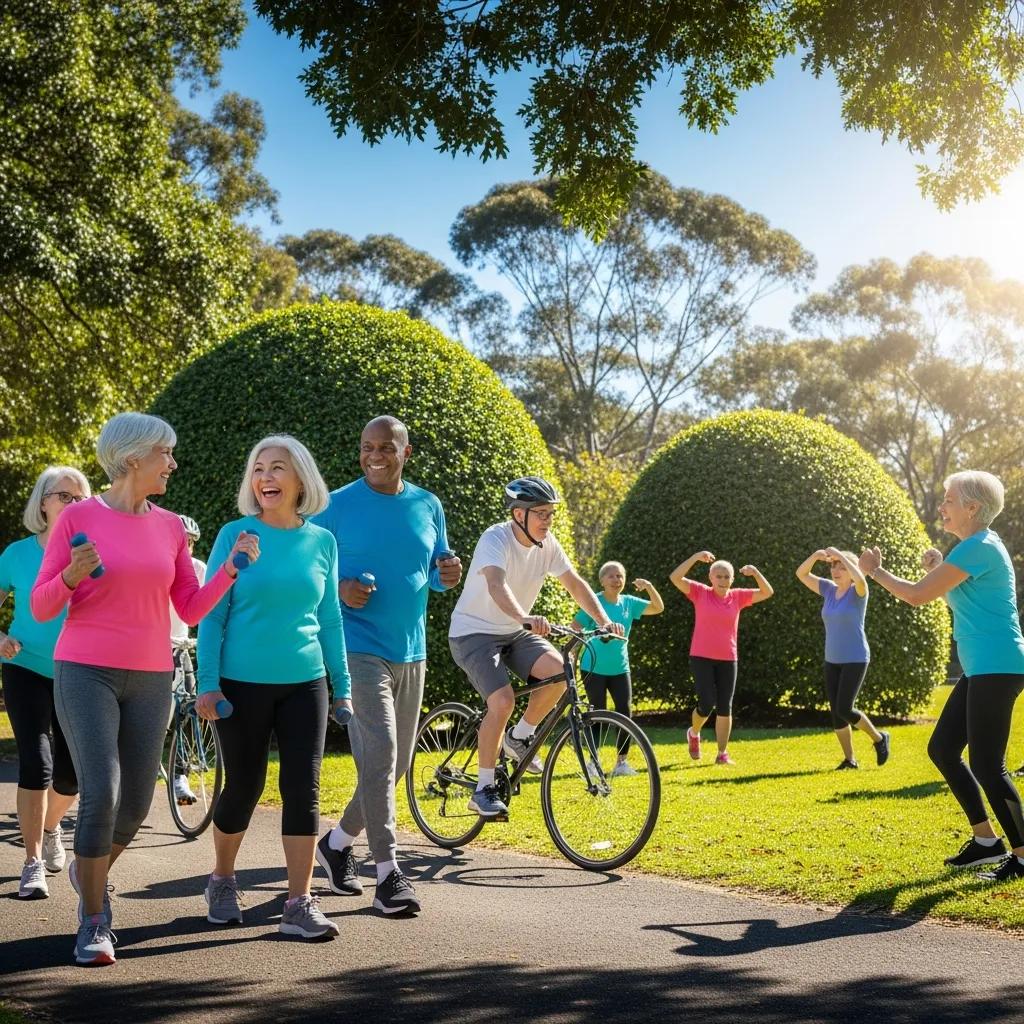
Seniors can benefit from a variety of low-impact exercises that are gentle on the joints while still providing effective cardiovascular workouts. Some recommended types include: strength training for older adults
- Walking: A simple yet effective way to get moving, walking can be done anywhere and adjusted to fit individual fitness levels.
- Cycling: Whether on a stationary bike or outdoors, cycling is a great way to improve cardiovascular health without putting stress on the joints.
- Swimming: This full-body workout is easy on the joints and provides resistance, making it an excellent choice for seniors.
- Rowing: Using a rowing machine can enhance cardiovascular fitness while also strengthening the upper body.
- Chair Aerobics: For those with limited mobility, chair aerobics can provide a safe way to engage in cardio exercises.
Core Principles Personal Training emphasizes the importance of personalized coaching to ensure that seniors engage in exercises that are safe and effective for their individual needs. personal training for adults over 50
Further studies confirm the positive impact of low-impact aerobic exercise on improving cardiorespiratory fitness and enhancing the quality of life for older adults.
Low-Impact Aerobics for Senior Heart Health
This study aimed to investigate the effects of low-impact aerobic exercise on cardiorespiratory fitness and overall quality of life in the elderly.
Effectiveness of low-impact aerobic exercise to improve cardiorespiratory fitness and quality of life in elderly, C Setiawan, 2025
Safety Considerations:
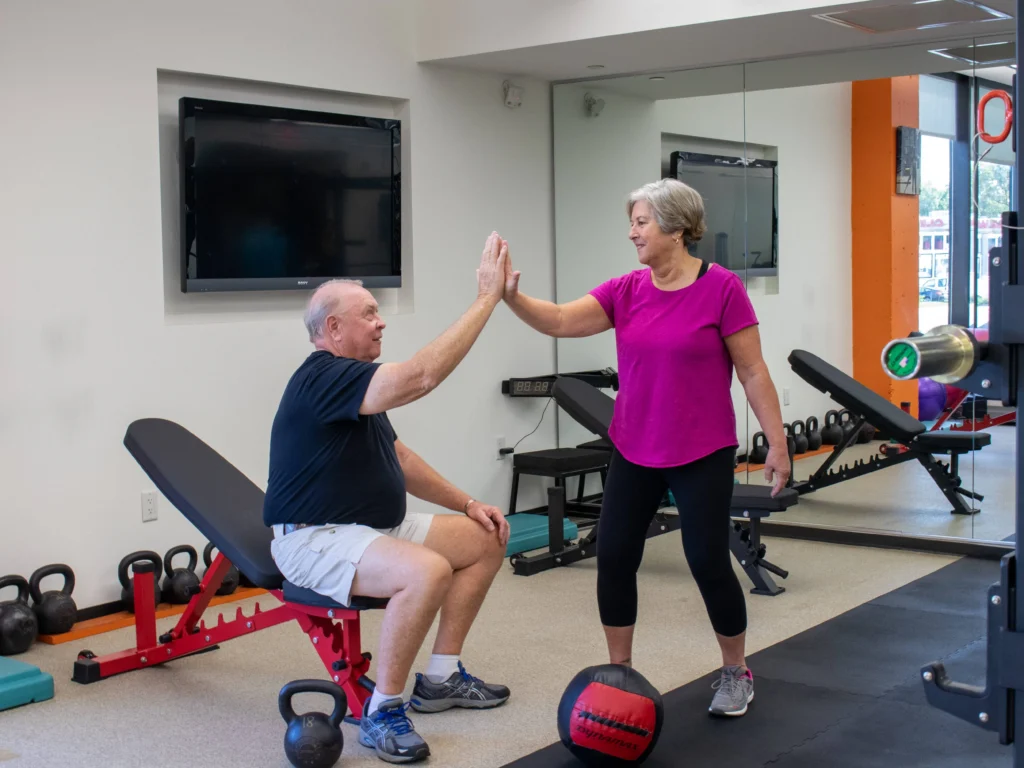
When engaging in cardio workouts, seniors should keep the following safety considerations in mind:
- Consult a Doctor: Before starting any new exercise program, seniors should consult with their healthcare provider to ensure it is safe for them.
- Start Slow: Gradually increasing the intensity and duration of workouts can help prevent injury and ensure a positive experience.
- Listen to Your Body: Seniors should pay attention to how their body feels during exercise and stop if they experience pain or discomfort.
- Stay Hydrated: Drinking water before, during, and after exercise is crucial for maintaining hydration and overall health.
- Use Proper Equipment: Wearing appropriate footwear and using any necessary assistive devices can help prevent injuries.
Indeed, extensive research confirms that long-term exercise interventions are not only safe for older adults but also significantly reduce health risks and improve overall physical and cognitive function. For more information, check out strength training for older adults.
Long-Term Exercise Safety & Benefits for Seniors
Long-term exercise training does not overall influence the risk of dropouts due to health issues or mortality in older adults, and results in a reduced mortality risk in clinical populations. Moreover, exercise reduces the number of falls and fall-associated injuries, and improves physical function and cognition in this population.
Safety and effectiveness of long-term exercise interventions in older adults: a systematic review and meta-analysis of randomized controlled trials, A Garcia-Hermoso, 2020
Guidelines for Older Adults:
To maximize the benefits of cardio workouts, seniors should follow these general exercise guidelines:
- Frequency of Exercise: Aim for at least 150 minutes of moderate-intensity aerobic activity each week, spread out over several days.
- Mixing Exercises: Incorporating a variety of exercises can prevent boredom and work different muscle groups.
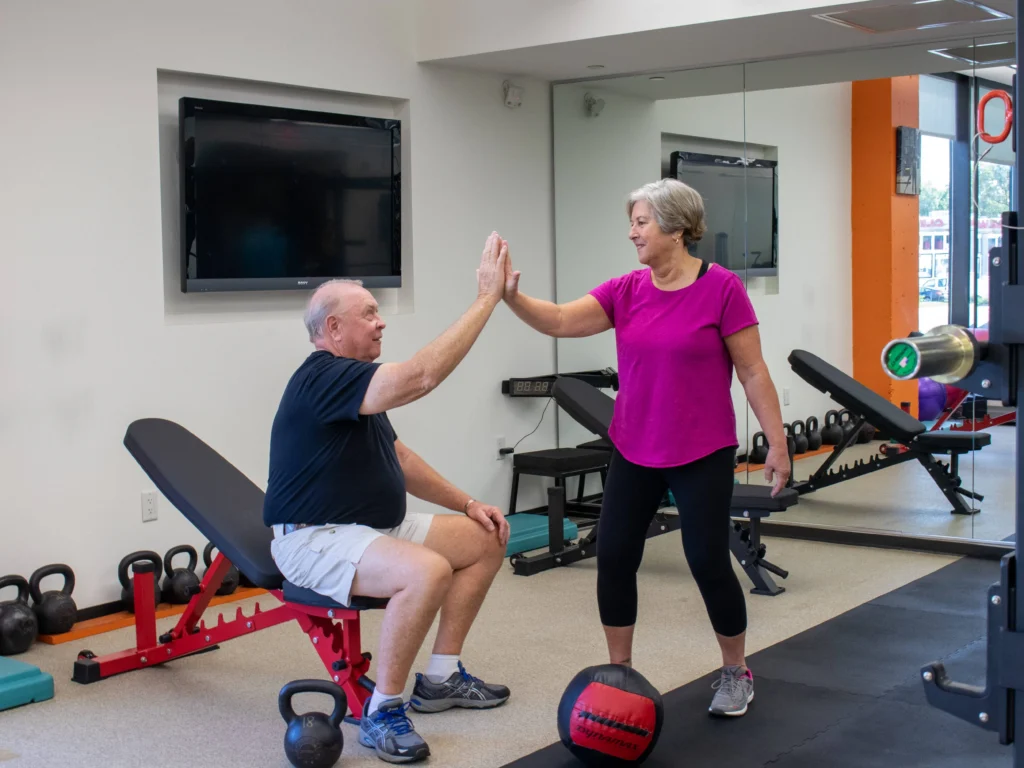
- Including Strength Training: Adding strength training exercises at least twice a week can enhance overall fitness and support cardiovascular health.
- Warm-Up and Cool Down: Taking time to warm up before and cool down after workouts can help prevent injuries.
- Joining a Community: Participating in group classes or community fitness programs can provide motivation and social interaction.
What Are the Best Low Impact Cardio Exercises for Seniors to Improve Heart Health?
The best low-impact cardio exercises for seniors include walking, swimming, cycling, and chair aerobics. These activities are effective in improving cardiovascular health while minimizing the risk of injury. Engaging in these exercises regularly can lead to significant improvements in heart health, stamina, and overall well-being.
Which Safe Aerobic Exercises Effectively Enhance Cardiovascular Fitness for Older Adults?
Safe aerobic exercises for older adults include walking, swimming, and cycling. These activities are designed to elevate the heart rate while being gentle on the joints, making them ideal for seniors. Incorporating these exercises into a regular fitness routine can lead to improved cardiovascular fitness and overall health.
How Do Low Impact Cardio Workouts Support Sustainable Heart Health in Seniors?
Low-impact cardio workouts support sustainable heart health in seniors by promoting regular physical activity without the risk of injury. These exercises strengthen the heart muscle, improve circulation, and enhance overall cardiovascular function. By making low-impact cardio a regular part of their routine, seniors can maintain their heart health over the long term.
How Can Nutrition Coaching Complement Heart Health Exercises for Seniors?
Nutrition coaching can complement heart health exercises by providing personalized dietary plans that support cardiovascular fitness. A balanced diet rich in fruits, vegetables, whole grains, and lean proteins can enhance the benefits of exercise and promote overall health. Core Principles Personal Training offers tailored nutrition coaching to help seniors achieve their health goals.
What Heart Friendly Nutrition Plans Support Cardiovascular Fitness in Adults Over 50?
Heart-friendly nutrition plans for adults over 50 should focus on whole, nutrient-dense foods. Key components include:
- Fruits and Vegetables: Rich in vitamins, minerals, and antioxidants that support heart health.
- Whole Grains: Provide fiber and essential nutrients that help lower cholesterol levels.
- Lean Proteins: Sources like fish, poultry, and legumes support muscle health and overall well-being.
Which Nutrients Are Essential for Boosting Heart Health Alongside Senior Exercise Programs?
Essential nutrients for boosting heart health include:
- Omega-3 Fatty Acids: Found in fatty fish, these healthy fats can reduce inflammation and improve heart function.
- Fiber: Helps lower cholesterol levels and supports digestive health.
- Antioxidants: Found in fruits and vegetables, antioxidants protect the heart from oxidative stress.
What Safety Guidelines Should Seniors Follow During Cardio Workouts to Protect Heart Health?
Seniors should follow these safety guidelines during cardio workouts:
- Monitor Heart Rate: Keeping track of heart rate can help ensure that exercise intensity is appropriate.
- Recognize Warning Signs: Seniors should be aware of symptoms like chest pain, dizziness, or shortness of breath and stop exercising if they occur.
- Stay Hydrated: Proper hydration is essential for maintaining energy levels and overall health during workouts.
What Precautions Minimize Risks When Performing Safe Aerobic Exercises for Older Adults?
To minimize risks when performing safe aerobic exercises, seniors should: live strong at any age
- Consult Healthcare Providers: Always check with a doctor before starting a new exercise program.
- Start Slowly: Gradually increase the intensity and duration of workouts to avoid injury.
- Listen to Their Bodies: Pay attention to any signs of discomfort and adjust workouts accordingly.
How Can Seniors Monitor Heart Rate and Recognize Warning Signs During Exercise?
Seniors can monitor their heart rate using wearable devices or manual methods, such as checking their pulse. Recognizing warning signs, such as unusual fatigue or chest discomfort, is crucial for ensuring safety during exercise. If any concerning symptoms arise, seniors should stop exercising and consult a healthcare professional.
How Does Strength Training Benefit Cardiovascular Fitness in Seniors Over 50?
Strength training benefits cardiovascular fitness in seniors by improving muscle strength, enhancing mobility, and reducing fatigue. Incorporating strength training into a fitness routine can complement cardio workouts, leading to better overall health and fitness outcomes.
Which Strength Training Exercises Are Safe and Effective for Older Adults?
Safe and effective strength training exercises for older adults include: strength training for older adults.
- Sit-to-Stand Exercises: Help improve leg strength and mobility.
- Wall Push-Ups: Strengthen the upper body while being gentle on the joints.
- Farmer Carries: Enhance grip strength and overall stability.
How Does Combining Strength Training with Cardio Enhance Heart Health Outcomes?
Combining strength training with cardio enhances heart health outcomes by providing a well-rounded fitness approach. This combination improves cardiovascular fitness, builds muscle strength, and supports weight management, leading to better overall health for seniors.
Frequently Asked Questions
What are the signs that indicate a senior should stop exercising?
Seniors should stop exercising if they experience any unusual symptoms such as chest pain, dizziness, shortness of breath, or extreme fatigue. It’s essential to listen to the body and recognize these warning signs to prevent potential health risks. If any of these symptoms occur, seniors should cease their activity immediately and consult a healthcare professional for further evaluation. Regular monitoring of how one feels during exercise can help in identifying when to take a break or seek medical advice.
How can seniors safely increase the intensity of their cardio workouts?
Seniors can safely increase the intensity of their cardio workouts by gradually extending the duration or frequency of their sessions. For instance, they might start with short walks and slowly add more time or incorporate intervals of brisk walking. It’s crucial to listen to their bodies and ensure they are comfortable with the increased intensity. Additionally, consulting with a fitness professional can provide personalized guidance on safely progressing their workout routines while minimizing the risk of injury.
What role does hydration play in senior cardio workouts?
Hydration is vital for seniors during cardio workouts as it helps maintain energy levels, regulates body temperature, and supports overall health. Dehydration can lead to fatigue, dizziness, and decreased performance, which can be particularly concerning for older adults. Seniors should aim to drink water before, during, and after exercise to stay properly hydrated. It’s also beneficial to monitor fluid intake, especially in warmer weather or during longer workout sessions, to ensure optimal hydration levels.
How can seniors find suitable cardio classes or programs in their area?
Seniors can find suitable cardio classes or programs by checking local community centers, gyms, or senior centers that offer fitness programs tailored for older adults. Many organizations provide specialized classes focusing on low-impact exercises that are safe and effective. Additionally, online platforms and social media groups can be valuable resources for discovering local fitness opportunities. It’s advisable to visit classes or consult with instructors to ensure the program meets individual fitness needs and safety requirements.
What are some common misconceptions about cardio workouts for seniors?
One common misconception is that seniors should avoid all forms of exercise due to age, which is not true. In fact, regular cardio workouts are crucial for maintaining heart health and overall well-being. Another misconception is that cardio must be high-impact to be effective; however, low-impact exercises can provide significant benefits without the risk of injury. It’s essential for seniors to understand that tailored exercise programs can enhance their quality of life and should be an integral part of their routine.
How can seniors incorporate social interaction into their cardio routines?
Seniors can incorporate social interaction into their cardio routines by joining group classes, walking clubs, or community fitness programs. Participating in these activities not only provides motivation but also fosters friendships and a sense of community. Additionally, seniors can invite friends or family members to join them for walks or workouts, making exercise a more enjoyable and social experience. Engaging with others can enhance the overall fitness journey and contribute to improved mental health. Fitness blog
What are the signs that indicate a senior should stop exercising?
Seniors should stop exercising if they experience any unusual symptoms such as chest pain, dizziness, shortness of breath, or extreme fatigue. It’s essential to listen to the body and recognize these warning signs to prevent potential health risks. If any of these symptoms occur, seniors should cease their activity immediately and consult a healthcare professional for further evaluation. Regular monitoring of how one feels during exercise can help in identifying when to take a break or seek medical advice.
How can seniors safely increase the intensity of their cardio workouts?
Seniors can safely increase the intensity of their cardio workouts by gradually extending the duration or frequency of their sessions. For instance, they might start with short walks and slowly add more time or incorporate intervals of brisk walking. It’s crucial to listen to their bodies and ensure they are comfortable with the increased intensity. Additionally, consulting with a fitness professional can provide personalized guidance on safely progressing their workout routines while minimizing the risk of injury.
What role does hydration play in senior cardio workouts?
Hydration is vital for seniors during cardio workouts as it helps maintain energy levels, regulates body temperature, and supports overall health. Dehydration can lead to fatigue, dizziness, and decreased performance, which can be particularly concerning for older adults. Seniors should aim to drink water before, during, and after exercise to stay properly hydrated. It’s also beneficial to monitor fluid intake, especially in warmer weather or during longer workout sessions, to ensure optimal hydration levels.
How can seniors find suitable cardio classes or programs in their area?
Seniors can find suitable cardio classes or programs by checking local community centers, gyms, or senior centers that offer fitness programs tailored for older adults. Many organizations provide specialized classes focusing on low-impact exercises that are safe and effective. Additionally, online platforms and social media groups can be valuable resources for discovering local fitness opportunities. It’s advisable to visit classes or consult with instructors to ensure the program meets individual fitness needs and safety requirements.
What are some common misconceptions about cardio workouts for seniors?
One common misconception is that seniors should avoid all forms of exercise due to age, which is not true. In fact, regular cardio workouts are crucial for maintaining heart health and overall well-being. Another misconception is that cardio must be high-impact to be effective; however, low-impact exercises can provide significant benefits without the risk of injury. It’s essential for seniors to understand that tailored exercise programs can enhance their quality of life and should be an integral part of their routine.
How can seniors incorporate social interaction into their cardio routines?
Seniors can incorporate social interaction into their cardio routines by joining group classes, walking clubs, or community fitness programs. Participating in these activities not only provides motivation but also fosters friendships and a sense of community. Additionally, seniors can invite friends or family members to join them for walks or workouts, making exercise a more enjoyable and social experience. Engaging with others can enhance the overall fitness journey and contribute to improved mental health.
Conclusion
Engaging in low-impact cardio workouts is essential for seniors to enhance heart health, improve stamina, and boost overall well-being. By incorporating safe exercises like walking, swimming, and cycling, older adults can enjoy significant health benefits while minimizing injury risks. Understanding the importance of personalized fitness plans can further empower seniors to take control of their cardiovascular health. Discover tailored fitness and nutrition coaching programs designed specifically for seniors today.