
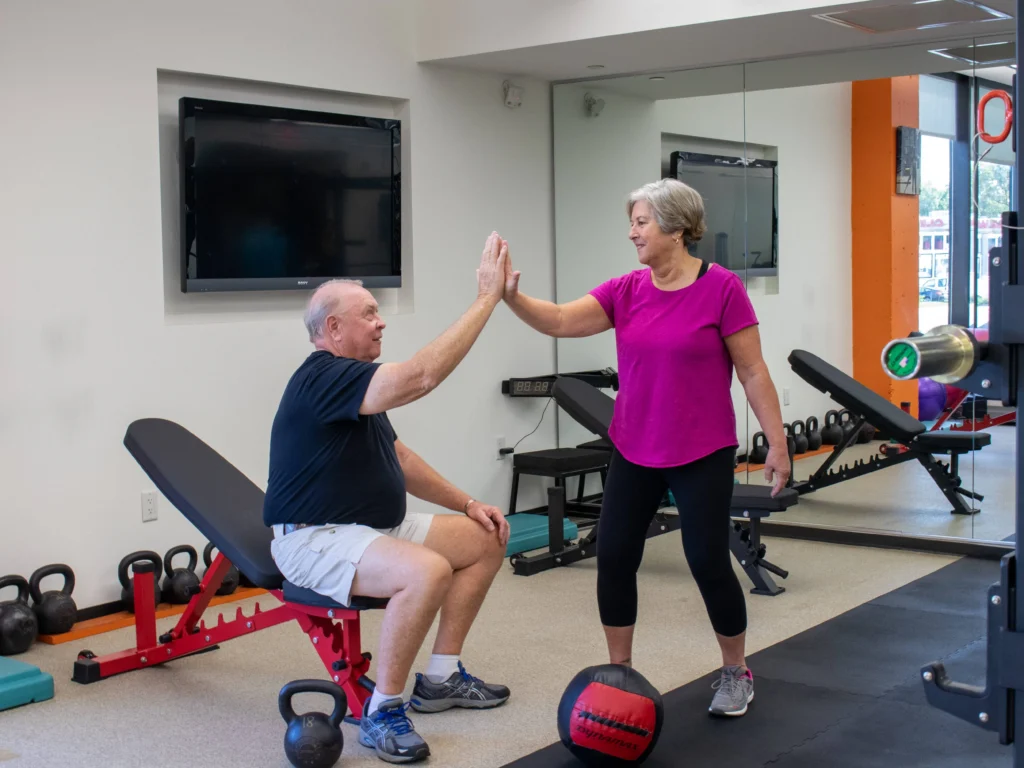
Managing diabetes effectively requires a comprehensive approach that includes both exercise and nutrition, especially for seniors. As individuals age, their bodies undergo various changes that can affect blood sugar levels and overall health. This article explores effective strategies for blood sugar control through tailored exercise programs and nutrition plans specifically designed for seniors managing diabetes. Readers will learn how exercise improves blood sugar management, the types of safe exercises, and the importance of nutrition in diabetes management. Additionally, we will discuss how personal training for adults can enhance these efforts, ensuring that seniors can maintain their health and well-being.
Understanding the specific challenges faced by older adults with diabetes is crucial for effective management, as highlighted by research emphasizing their distinct needs.
Tailored Diabetes Management for Elderly Patients
The elderly are an important and distinct yet heterogeneous group of persons living with diabetes. The elderly have a unique biomedical, psychological, and social constitution. Their needs are different from those of younger adults. This implies that special care must be taken while evaluating and planning their nursing and management. Diabetes management in the elderly should focus on prevention and limitation of geriatric syndromes (medical conditions encountered in elderly persons), hypoglycemia (low blood glucose), and neurocognitive dysfunction (impairment in the functioning of the nervous system and brain).
Diabetes in the Elderly, SK Sharma, 2018
How Does Exercise Improve Blood Sugar Management in Seniors with Diabetes?
Exercise plays a crucial role in managing blood sugar levels for seniors with diabetes. It enhances insulin sensitivity, which allows the body to use insulin more effectively, leading to better blood sugar control. Regular physical activity promotes weight loss, which is particularly beneficial for those with type 2 diabetes, as excess weight can exacerbate insulin resistance. Furthermore, exercise improves overall physical fitness, contributing to better cardiovascular health and increased energy levels. By incorporating regular exercise into their routines, seniors can significantly improve their blood sugar management and overall health.
What Types of Exercise Are Safe and Effective for Diabetic Seniors?
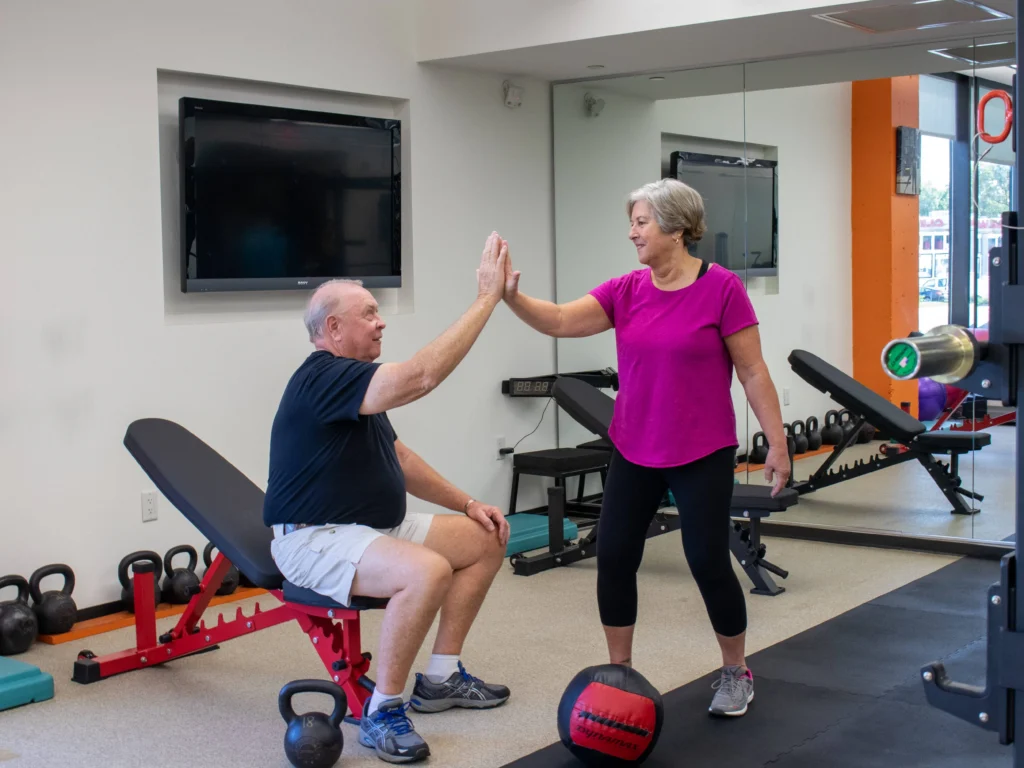
When it comes to exercise for seniors managing diabetes, safety and effectiveness are paramount. Here are some types of exercises that are both safe and beneficial: exercises for seniors.
- Walking: A low-impact exercise that can be easily incorporated into daily routines, walking helps improve cardiovascular health and aids in weight management.
- Strength Training: Engaging in resistance training helps build muscle mass, which can improve insulin sensitivity and support metabolic health.
- Balance and Conditioning Activities: Exercises such as yoga and tai chi enhance flexibility and balance, reducing the risk of falls and injuries.
These exercises not only support blood sugar control but also contribute to overall well-being and quality of life for seniors.
How Does Strength Training Benefit Older Adults with Diabetes?
Strength training offers numerous benefits for older adults managing diabetes. It improves blood sugar control by increasing muscle mass, which in turn enhances the body’s ability to utilize glucose effectively. Additionally, strength training can lead to increased metabolism, helping seniors maintain a healthy weight. Enhanced balance and stability are also significant benefits, as they reduce the risk of falls, a common concern for older adults. By incorporating strength training into their fitness routines, seniors can achieve better health outcomes and improved quality of life.
What Are Diabetes-Friendly Nutrition Plans for Elderly Individuals?

Nutrition plays a vital role in managing diabetes, particularly for seniors. A diabetes-friendly nutrition plan focuses on whole foods, balanced macronutrients, and portion control. Such plans emphasize the importance of consuming a variety of fruits, vegetables, whole grains, lean proteins, and healthy fats. By prioritizing nutrient-dense foods, seniors can better manage their blood sugar levels and overall health.
| Nutrition Plan | Key Features | Benefits |
|---|---|---|
| Mediterranean Diet | Emphasizes fruits, vegetables, whole grains, and healthy fats | Supports heart health and blood sugar control |
| DASH Diet | Focuses on whole foods, low sodium, and balanced nutrients | Reduces hypertension and improves overall health |
| Plant-Based Diet | Prioritizes plant foods while minimizing animal products | Enhances insulin sensitivity and promotes weight loss |
These nutrition plans provide a framework for seniors to make healthier food choices that support their diabetes management.
Which Foods Support Blood Sugar Control in Seniors?
Certain foods can significantly aid in blood sugar control for seniors. Here are some key options: blog
- High-Fiber Foods: Foods such as whole grains, legumes, and vegetables help slow down glucose absorption, leading to more stable blood sugar levels.
- Low Glycemic Index Options: Foods like sweet potatoes, quinoa, and most fruits have a lower glycemic index, which means they have a lesser impact on blood sugar levels.
- Healthy Fats: Incorporating sources of healthy fats, such as avocados, nuts, and olive oil, can improve heart health and support overall well-being.
By focusing on these food choices, seniors can better manage their diabetes and enhance their overall health.
How Does Meal Timing Affect Diabetes Management in Older Adults?
Meal timing is an essential aspect of diabetes management for older adults. Regular meal times help maintain stable blood sugar levels by preventing large fluctuations. Eating smaller, more frequent meals can also be beneficial, as it helps regulate insulin levels and provides consistent energy throughout the day. Additionally, planning meals around physical activity can optimize blood sugar control, as exercise can lower blood sugar levels. By understanding the impact of meal timing, seniors can make informed choices that support their diabetes management.
The importance of strategic meal timing is further supported by research exploring various nutrition strategies for managing type 2 diabetes. nutrition strategies
Nutrition Strategies for Type 2 Diabetes Management
Effective nutrition management is fundamental in the comprehensive treatment of individuals with type 2 diabetes. Various strategies have been explored in this regard, demonstrating their potential usefulness in improving clinical outcomes. This systematic review aims to assess the impact of meals frequency on the well-being of these patients.
Meal frequency strategies for the management of type 2 diabetes subjects: A systematic review, 2024
How Can Personalized Personal Training Enhance Diabetes Management for Seniors?
Personalized personal training can significantly enhance diabetes management for seniors. Customized workout plans are tailored to individual fitness levels and health conditions, ensuring safety and effectiveness. Personal trainers can provide motivation and accountability, helping seniors stay committed to their exercise routines. Moreover, education on blood sugar management during workouts empowers seniors to make informed decisions about their health. By working with a personal trainer, seniors can achieve their fitness goals while effectively managing their diabetes.
The effectiveness of such tailored approaches is underscored by studies demonstrating the significant impact of personalized health coaching on diabetes prevention and management.
Personalized Coaching for Diabetes Prevention
Regular physical activity (PA; 150 min per week), weight loss, and healthy diet are highly effective strategies for preventing or delaying the onset of type 2 diabetes [8-10]; however, randomized controlled trials (RCTs) of these interventions have required intensive one-on-one or group lifestyle coaching, which raises questions about the feasibility and scalability of implementing these interventions outside of rese
A novel approach for fully automated, personalized health coaching for adults with prediabetes: pilot clinical trial, 2018
Core Principles Personal Training specializes in personalized fitness and nutrition coaching tailored for adults 50 and above, focusing on managing chronic conditions such as diabetes through exercise and diet.
What Role Does Customized Coaching Play in Senior Fitness and Nutrition?
Customized coaching plays a vital role in senior fitness and nutrition by providing individualized guidance and support. Coaches can develop tailored fitness programs that consider each senior’s unique health status, preferences, and goals. Additionally, nutrition coaching helps seniors understand how to make healthier food choices that align with their diabetes management plans. This personalized approach fosters accountability and encourages seniors to stay engaged in their health journey, ultimately leading to better outcomes.
How Do Personal Training Programs Address Safety and Chronic Conditions?
Personal training programs designed for seniors take into account safety and chronic conditions. Trainers assess individual health needs and create customized workouts that minimize the risk of injury. They also monitor blood sugar levels during exercise, ensuring that seniors can safely engage in physical activity. Addressing chronic conditions through tailored fitness programs helps seniors maintain their independence and improve their quality of life.
What Precautions Should Seniors Take When Exercising to Manage Diabetes?
Seniors should take several precautions when exercising to manage diabetes effectively:
- Consult Healthcare Providers: Before starting any exercise program, seniors should consult their healthcare providers to ensure safety.
- Monitor Blood Sugar Levels: Regularly checking blood sugar levels before, during, and after exercise helps prevent hypoglycemia.
- Stay Hydrated: Proper hydration is essential, especially during physical activity, to maintain optimal health.
By following these precautions, seniors can safely engage in exercise while managing their diabetes.
How Can Seniors Monitor Blood Sugar Levels During Workouts?
Monitoring blood sugar levels during workouts is crucial for seniors managing diabetes. Regular blood sugar checks before and after exercise can help seniors understand how their bodies respond to physical activity. It’s also important to recognize the signs of hypoglycemia, such as dizziness or confusion, and to have quick sources of sugar available, like glucose tablets or juice. By staying vigilant about their blood sugar levels, seniors can enjoy the benefits of exercise while minimizing risks.
What Are Recommended Safety Guidelines for Diabetic Seniors Exercising?
Seniors with diabetes should adhere to specific safety guidelines when exercising: blog
- Consult Healthcare Providers: Always seek medical advice before starting a new exercise regimen.
- Start Slowly: Gradually increase the intensity and duration of workouts to avoid injury.
- Choose Joint-Friendly Activities: Low-impact exercises, such as swimming or cycling, are ideal for minimizing stress on joints.
Following these guidelines can help ensure that seniors exercise safely while effectively managing their diabetes.
Frequently Asked Questions
What are the benefits of group exercise for seniors with diabetes?
Group exercise can provide numerous benefits for seniors managing diabetes. It fosters a sense of community and support, which can enhance motivation and adherence to fitness routines. Participating in group activities also allows seniors to engage in social interactions, reducing feelings of isolation. Additionally, group classes often offer structured workouts led by trained instructors, ensuring that exercises are safe and appropriate for the participants’ fitness levels. This combination of social support and professional guidance can lead to improved physical and mental health outcomes.
How can technology assist seniors in managing diabetes through exercise?
Technology can play a significant role in helping seniors manage diabetes through exercise. Wearable devices, such as fitness trackers, can monitor physical activity levels, heart rate, and even blood sugar levels in real-time. Mobile apps can provide personalized workout plans, track progress, and send reminders for exercise and medication. Additionally, online fitness classes and virtual personal training sessions offer flexibility and accessibility, allowing seniors to engage in safe workouts from the comfort of their homes. This integration of technology can enhance motivation and accountability in their fitness journey.
What role does hydration play in diabetes management for seniors?
Hydration is crucial for seniors managing diabetes, as it helps maintain optimal bodily functions and can influence blood sugar levels. Dehydration can lead to higher blood sugar concentrations, making it more challenging to manage diabetes effectively. Seniors should aim to drink adequate fluids throughout the day, especially before, during, and after exercise. Water is the best choice, but low-calorie beverages can also contribute to hydration. Staying well-hydrated supports overall health, enhances physical performance, and helps prevent complications associated with diabetes.
How can seniors incorporate physical activity into their daily routines?
Seniors can easily incorporate physical activity into their daily routines by making small adjustments to their lifestyle. Simple changes, such as taking the stairs instead of the elevator, walking during breaks, or engaging in gardening, can significantly increase daily activity levels. Setting specific goals, like walking a certain number of steps each day, can also provide motivation. Additionally, seniors can schedule regular exercise sessions, such as joining a local walking group or attending fitness classes, to ensure they prioritize physical activity in their lives.
What are some common misconceptions about exercise for seniors with diabetes?
There are several misconceptions about exercise for seniors with diabetes that can hinder their participation. One common myth is that seniors should avoid exercise due to the risk of injury; however, when done safely, exercise can improve strength, balance, and overall health. Another misconception is that seniors cannot engage in strength training, but resistance exercises are beneficial for enhancing muscle mass and insulin sensitivity. Educating seniors about the safety and advantages of physical activity is essential for encouraging a more active lifestyle.
How can family members support seniors in their diabetes management journey?
Family members can play a vital role in supporting seniors with diabetes by encouraging healthy habits and being actively involved in their care. This can include participating in exercise routines together, preparing nutritious meals, and helping monitor blood sugar levels. Providing emotional support and understanding the challenges of managing diabetes can also foster a positive environment. Additionally, family members can assist in scheduling regular medical appointments and ensuring that seniors have access to necessary resources, enhancing their overall diabetes management experience.
Conclusion
Effectively managing diabetes in seniors involves a holistic approach that combines tailored exercise and nutrition strategies. By understanding the unique needs of older adults, individuals can significantly improve their blood sugar control and overall health. Engaging in personalized coaching can further enhance these efforts, ensuring a supportive environment for achieving health goals. Discover how our specialized programs can empower seniors to take charge of their diabetes management today.