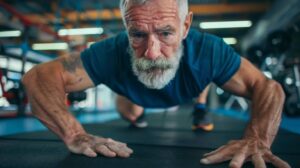
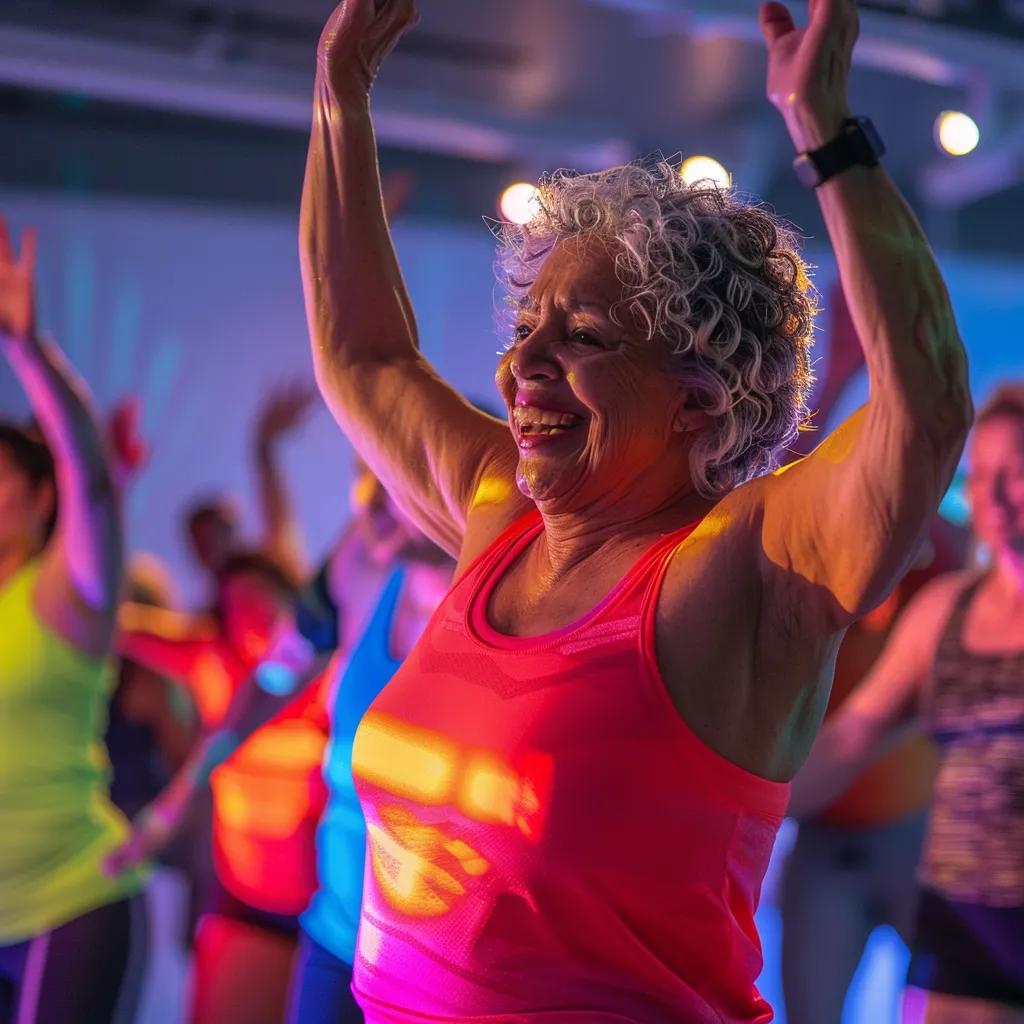
Aging brings wisdom, life experience, and stories worth sharing—but it also comes with physical challenges that can affect health, mobility, and quality of life. As a senior, I’ve learned firsthand that staying active isn’t just about looking fit—it’s about building strength, preventing injury, and protecting my independence. My journey with personalized fitness programs for seniors started when daily tasks like walking upstairs or carrying groceries felt harder. I realized that if I wanted to maintain my confidence and freedom, I had to prioritize exercise, physical fitness, and good nutrition.
I was hesitant at first. Like many older adults, I worried about risk of injury, joint pain, and even embarrassment in a crowded gym. But through the guidance of fitness professionals and a supportive community, I discovered tailored exercise programs that completely changed how I move, feel, and think about aging. Whether it was yoga, tai chi, or working with a personal trainer, each program was designed to improve my range of motion, strengthen muscles, protect my bones, and support fall prevention.
The results went beyond the physical. My mental health improved, my stress levels dropped, and I began to see exercise programs as part of my lifestyle, not a chore. I also learned the value of education around nutrition, weight management, and how to fuel the body for endurance and strength. With proper therapy-inspired training, I reduced my risk of injury and regained the confidence to stay active in my golden years.
In this article, I’ll share my journey through different aspects of personalized fitness, from one-on-one personal training to group personal training, and even online programs. Along the way, I’ll highlight tips, expert insights, and resources like this guide to strength training after 50 that helped me—and might help you too.
Why Seniors Need Personalized Fitness Programs
As an adult over 60, I quickly realized generic workouts weren’t enough. What makes personalized fitness programs for seniors unique is how they adapt to individual needs—whether that’s limited mobility, lower bone density, or the need for fall prevention strategies. Unlike standard fitness classes, these programs account for health conditions like arthritis, balance issues, or past surgeries, ensuring the exercise program is safe yet effective.
Working with a certified instructor or personal trainer gave me confidence to improve gradually without fear of injury. The focus wasn’t just on muscle strength but also on flexibility, posture, and activities of daily living. By enrolling in structured programs, I improved not only my physical activity levels but also boosted my mental health, thanks to reduced stress and a renewed sense of independence.
I also found valuable resources like this article on starting exercise after 50 which reassured me that it’s never too late to begin. Studies and experts agree—targeted fitness training enhances not just longevity but also daily comfort, making each step, stretch, and breath more rewarding.
Health Benefits Beyond Strength
Through my personalized fitness journey, I discovered that the benefits go far beyond just building muscles. My quality of life improved dramatically—better sleep, more energy, and even enhanced mental health. Simple physical activity like walking felt easier, and my confidence grew. Articles like this one on exercise and chronic pain helped me understand how movement reduces discomfort and promotes healing. For seniors, fitness isn’t about aesthetics—it’s about reclaiming independence, enjoying activities of daily living, and preventing injury while staying connected with a supportive community.
Why Safety Matters for Seniors
Safety is at the heart of every exercise program for older adults. Many clients worry about injury or balance issues, but with fitness professionals guiding proper form, the risk is minimized. For example, posture tips from this NASM article helped me avoid back strain. Adding movements like wall sits also supported my bone strength without excessive stress. Each session prioritized education on how to move safely, which built my confidence to stay active. With the right program, seniors can improve safely and steadily without setbacks.
Building Strength and Mobility as We Age
One of the biggest lessons I learned is that strength training is essential for seniors. While cardio is important, it’s resistance and mobility work that preserves muscle, increases bone density, and lowers the risk of falls. I used to think weight loss and walking were enough, but after reading this NASM article on why runners should add strength training, I understood the importance of balance: lifting builds the foundation that supports every other exercise program.
Working with certified trainers at my gym ensured my fitness training included progressive movements tailored to my ability. Functional exercises like Romanian deadlifts improved my range of motion and made lifting groceries or bending down less intimidating. I also learned that walking alone isn’t enough—resources like this guide on why walking isn’t enough showed me why resistance training truly matters for older adults.
The takeaway? Strength and mobility aren’t about vanity; they’re about protecting independence, reducing reliance on physical therapy, and ensuring that daily activities of living stay manageable well into later years.
Improving Range of Motion Safely
Improved motion and flexibility are critical for preventing injuries. I incorporated stretches and mobility drills, guided by NASM’s hip mobility tips, which helped me stay limber. For seniors, flexibility is as important as muscle because it supports activities of daily living—tying shoes, reaching cabinets, or simply turning comfortably. Structured exercise programs from fitness professionals gave me confidence in every movement. Paired with gentle yoga and tai chi, mobility training reduced stiffness, lowered stress, and protected my joints. These routines created a foundation of safety that allowed me to build real strength without setbacks.
Bone Health and Fall Prevention
As older adults, our bone density naturally declines, raising the risk of fractures. But with targeted fitness classes and strength training for bone health, I improved both my stability and confidence.
Exercises like squat alternatives allowed me to build lower-body strength without stressing joints. My personalized fitness plan also included tai chi—a proven practice for fall prevention among seniors.
These tools ensured I could move safely, maintain independence, and enjoy daily life with less fear of injury. The result was stronger bones, steadier balance, and a greater sense of control over my aging body.
Mental Health, Confidence, and Community
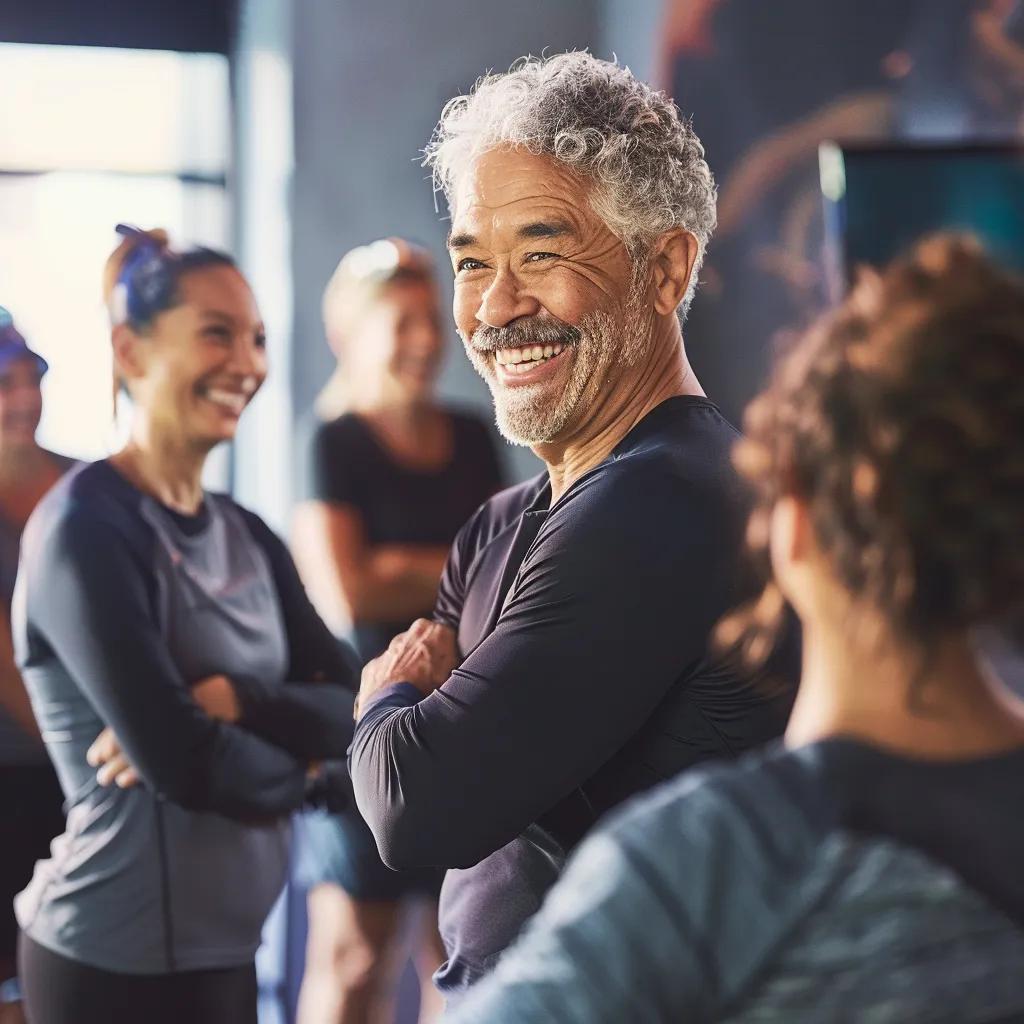
The mental side of personalized fitness programs for seniors is often overlooked, but it’s equally powerful. I once struggled with stress and low confidence, but exercise programs—whether personal training or group personal training—gave me a sense of purpose and belonging. Research consistently shows that physical activity reduces anxiety, improves mood, and enhances mental health in older adults.
Joining a community of clients with similar goals meant I no longer felt alone. Articles like this story about a Stamford local’s strength journey reminded me that transformation is possible at any age. Group environments and fitness classes also provided accountability, motivation, and laughter—vital ingredients for long-term adherence.
Confidence came not just from building muscles, but from knowing I could handle activities of daily living independently. This empowerment is exactly why more seniors should enroll in structured exercise programs. Even quick finishers like battle ropes or mountain climbers left me energized and proud. Fitness became more than a program—it became my therapy, my stress relief, and my daily reminder that age is just a number.
Reducing Stress Through Movement
Regular exercise has been my greatest tool for managing stress and supporting mental health. Low-impact classes like yoga and tai chi calmed my nervous system, while strength training boosted endorphins. According to NASM, simple corrective exercises also enhance posture, which improves breathing and reduces tension. Personalized plans designed by fitness professionals reminded me that exercise programs don’t just build muscles—they create mental resilience. For older adults, this means less anxiety, better sleep, and a renewed sense of control. In my journey, movement truly became medicine for the mind.
The Role of Social Support
Exercising within a community provided accountability I couldn’t find alone. Being surrounded by supportive instructors and fellow seniors in group personal training sessions encouraged me to show up consistently. Studies emphasize that clients who engage in fitness classes stick with their programs longer. A great example is this workshop for adults 50+ where camaraderie helped participants thrive. Social interaction reduces isolation, boosts confidence, and makes every exercise program more enjoyable. For me, this community aspect transformed workouts from a task into something I truly looked forward to each week.
Online and Hybrid Fitness Options for Seniors
Not every senior wants or can attend in-person gyms, which is why online programs are so valuable. During times when I couldn’t travel, I enrolled in custom online training programs that gave me structure, accountability, and professional guidance from a certified instructor—all from home. According to the National Council on Aging, online and hybrid formats expand access and flexibility, keeping older adults engaged in exercise programs no matter their schedule.
I especially appreciated guided mobility drills, posture lessons, and even mindfulness routines like breathwork classes that reduced stress. Helpful tools like in-home workouts allowed me to stay consistent without needing expensive equipment. Programs were adapted to my weight, fitness level, and range of motion, minimizing injury risk while ensuring steady progress.
Online fitness isn’t a substitute for community—but it’s an incredible complement. Paired with occasional group personal training, online coaching kept me accountable and consistent. Studies like this rapid review on senior physical activity programs confirm that structured, multicomponent approaches (both in-person and online) improve physical function, falls prevention, and overall quality of life.
Benefits of Remote Coaching
Remote coaching offered me flexibility and personalization when I needed it most. I could follow video sessions at my pace while still receiving expert feedback. Fitness professionals designed safe, effective exercise programs tailored for seniors, focusing on mobility, strength, and fall prevention. Studies confirm that hybrid fitness models improve adherence and outcomes for older adults (The Lancet). Whether through Zoom classes or structured training apps, online coaching reduced barriers and gave me confidence. It proved that even outside a gym, personalized fitness can transform health, build independence, and extend vitality.
Staying Active at Home
Staying active at home was simpler than I imagined. Following Core Principles’ in-home workout plan and incorporating NASM’s corrective exercise strategies kept me moving safely. Even light physical activity like stretching, yoga, or tai chi became powerful when practiced consistently. For seniors, at-home fitness reduces intimidation and makes it easier to stay committed. With minimal equipment and expert guidance, I improved strength, flexibility, and mental health without leaving my living room. Online exercise programs showed me that progress doesn’t depend on location—it depends on consistency and having the right program for your needs.
FAQ: Personalized Fitness Programs for Seniors
What services do you offer for seniors?
We provide a wide range of services to support older adults in their health and fitness journey, including:
- 1-on-1 Personal Training with certified professionals for customized strength and mobility programs.
- Small Group Training to build confidence in a supportive community.
- Semi-Private Training that balances personal attention with social motivation.
- Nutrition Coaching and Custom Nutrition Protocols to optimize energy, recovery, and weight management.
- InBody Scans to track progress and measure muscle, fat, and bone density.
- Hype Sessions to keep clients motivated and energized.
- Private Gym Membership for access to a safe, senior-friendly environment.
- Breathwork Classes to reduce stress and improve mental health.
- Custom Online Training Programs for convenient, at-home coaching and accountability.
Why are personalized fitness programs important for seniors?
Unlike generic workouts, personalized fitness programs for seniors are tailored to account for mobility, injury risk, bone density, and activities of daily living. Research from the National Institute on Aging confirms that individualized exercise reduces fall risk, improves quality of life, and boosts independence.
How do fitness programs prevent falls in older adults?
Strength training, balance exercises, and mobility drills improve coordination and range of motion, reducing the chance of falls. Practices like tai chi and functional training routines are especially effective. According to the CDC, these activities directly lower fall-related injuries among seniors.
Can seniors really build muscle after 60?
Absolutely. Decades of research show that older adults respond well to strength training, improving both muscle and bone density. A ScienceDirect review found resistance training not only builds strength but also improves balance and confidence in seniors.
What role does nutrition play in senior fitness?
Nutrition is critical for recovery, weight management, and energy. The Blue Zone diet emphasizes plant-based meals that enhance longevity. Paired with personal training and structured fitness programs, the right diet reduces inflammation, supports bone health, and improves overall physical fitness.
How does exercise improve mental health in seniors?
Exercise reduces stress, boosts mood, and supports brain health. According to Mayo Clinic, regular activity lowers anxiety and improves sleep in older adults, contributing to stronger mental health and emotional well-being.
What if I feel intimidated about starting?
Many seniors feel this way initially. Resources like Afraid to Start Strength Training explain that with guidance, anyone can begin safely. Working with certified trainers and supportive fitness classes ensures a positive, encouraging environment.
Conclusion: The Power of Personalized Fitness for Seniors
My journey with personalized fitness programs for seniors has been transformative. From gaining strength and balance to improving mental health and independence, I’ve learned that it’s never too late to invest in your body and mind. Authoritative research supports this:
- The CDC confirms regular physical activity improves quality of life and reduces disease risk in older adults.
- The International Journal of Behavioral Nutrition and Physical Activity highlights how structured programs reduce falls and improve function.
- The National Institute on Aging emphasizes that strength training enhances longevity and functional independence.
For me, the greatest gift of personalized fitness has been reclaiming freedom—the ability to walk confidently, live actively, and embrace life with renewed vitality. Whether through 1-on-1 personal training, group classes, or custom online programs, seniors everywhere can benefit from expert guidance and proven strategies.
If you’re ready to improve your quality of life, boost your confidence, and take control of your health, now is the perfect time to enroll in a personalized fitness program. Age doesn’t define your limits—it defines your opportunities to grow stronger, healthier, and more resilient than ever.