As we age, many seniors experience joint pain that can significantly impact their quality of life. This article explores effective exercises specifically designed to relieve aches and pains, enhancing mobility and overall wellness for seniors. By focusing on low-impact workouts, stretching techniques, and personalized training programs, seniors can find relief from chronic pain and improve their physical health. The following sections will cover the best low-impact exercises, the benefits of personalized training, nutrition strategies for joint health, and success stories that highlight the effectiveness of these approaches.
Indeed, a holistic approach to managing chronic pain in older adults often begins with non-pharmacological strategies, emphasizing self-management and healthy lifestyle choices.
Non-Pharmacological Pain Management for Elderly Arthritis
Nonpharmacological treatments begin with education of the patient, encouragement to practise self-management strategies and attention to healthy life habits such as weight control and regular physical activity and exercise. Advice in this regard may be effectively given by healthcare professionals other than physicians.
Management of chronic arthritis pain in the elderly, 2010
What Are the Best Low-Impact Exercises for Seniors to Relieve Joint Pain?
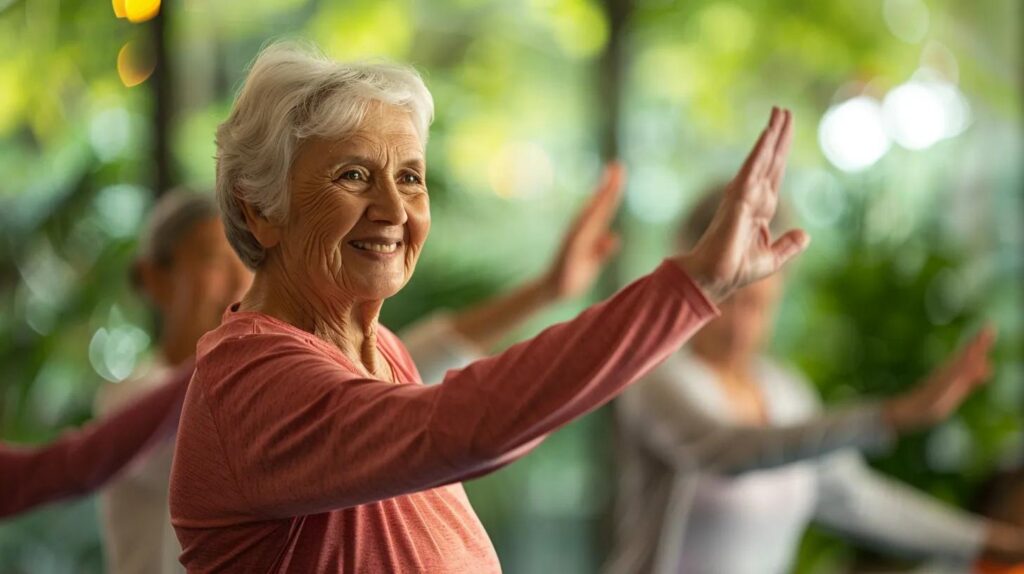
Low-impact exercises are essential for seniors as they minimize stress on the joints while promoting mobility and strength. These exercises can help alleviate joint pain and improve overall physical function. Engaging in regular low-impact workouts can lead to significant improvements in joint health and pain management.
Which Low-Impact Workouts Improve Senior Mobility and Balance?
Several low-impact workouts are particularly beneficial for seniors looking to enhance mobility and balance:
- Walking: A simple yet effective exercise that improves cardiovascular health and strengthens leg muscles.
- Swimming: Provides a full-body workout without stressing the joints, making it ideal for those with arthritis.
- Cycling: Stationary or outdoor cycling helps build leg strength and endurance while being gentle on the joints.
These workouts not only improve mobility but also enhance balance, reducing the risk of falls among seniors.
How Do Stretching and Posture Correction Help Reduce Senior Aches?
Stretching and posture correction play a crucial role in alleviating aches and pains in seniors. Regular stretching can improve flexibility, which is vital for maintaining joint health. Key techniques include:
- Gentle Neck Stretches: Help relieve tension and improve neck mobility.
- Shoulder Rolls: Reduce stiffness in the shoulders and upper back.
- Hamstring Stretches: Enhance flexibility in the legs, supporting better mobility.
Additionally, correcting posture can alleviate pressure on the spine and joints, further reducing discomfort and enhancing overall well-being.
How Can Personalized Training Programs Enhance Pain Relief for Seniors?
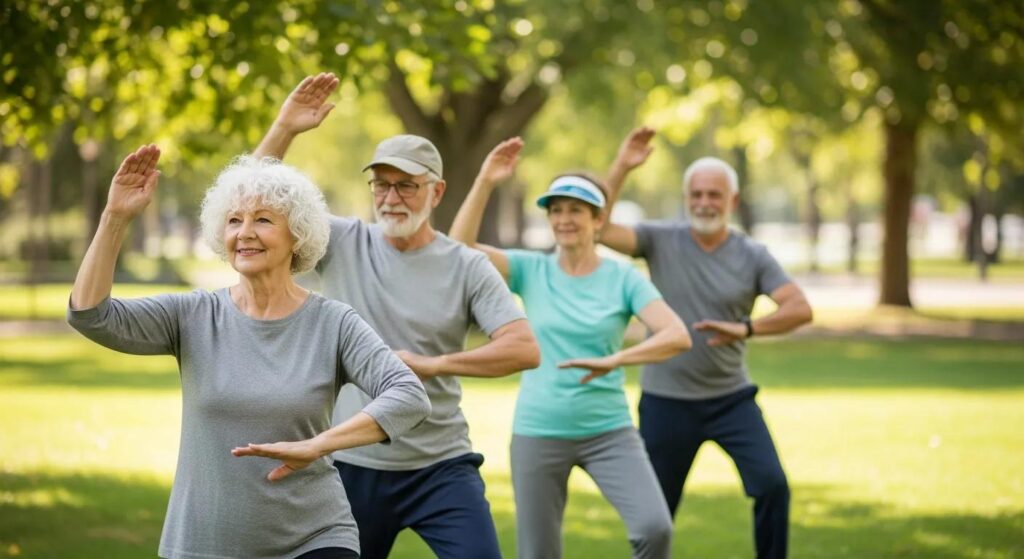
Personalized training programs are tailored to meet the unique needs of seniors, focusing on their specific health conditions and fitness goals. These programs can significantly enhance pain relief and improve physical function.
What Does a Customized Senior Fitness Plan Include for Joint Health?
A customized senior fitness plan typically includes:
- Strength Training: Focused on building muscle around joints to provide better support.
- Flexibility Exercises: To improve range of motion and reduce stiffness.
- Balance Training: To enhance stability and prevent falls.
By addressing individual needs, these plans can lead to improved joint health and reduced pain.
The concept of tailored fitness extends to modern technological solutions, with ongoing research into developing customized exercise applications specifically for active senior aging.
Developing Customized Exercise Apps for Active Senior Aging
The purpose of this study is to examine the current status and problems pertaining to the applications on the Korean elderly’s exercise in the Korean android market using smart phone, for the development of the exercise program application customized for the elderly and to provide services. Moreover, improvement measures are analyzed to provide the base data to provide resourceful information to the elderly, leaders, trainees interested in the elderly and institutions and to develop customized elderly exercise application for the Active Aging.
The study of application development on elderly customized exercise for active aging, 2017
How Does Combining Exercise and Nutrition Improve Senior Mobility?
Combining exercise with proper nutrition is essential for seniors aiming to improve mobility. Nutritional support can enhance the benefits of physical activity by providing the necessary nutrients for joint health. Key components include:
- Omega-3 Fatty Acids: Found in fish and flaxseeds, these can help reduce inflammation.
- Calcium and Vitamin D: Essential for bone health, found in dairy products and leafy greens.
- Antioxidants: Present in fruits and vegetables, they help combat oxidative stress.
This holistic approach ensures that seniors not only engage in effective exercise but also nourish their bodies for optimal health.
What Nutrition Strategies Support Joint Health and Pain Management in Seniors?

Nutrition plays a vital role in supporting joint health and managing pain. Implementing specific dietary strategies can significantly enhance the effectiveness of exercise programs.
Which Foods and Supplements Reduce Arthritis and Chronic Pain?
Several foods and supplements are known to support joint health and alleviate pain:
- Fatty Fish: Rich in omega-3 fatty acids, which can reduce inflammation.
- Turmeric: Contains curcumin, known for its anti-inflammatory properties.
- Glucosamine and Chondroitin: Supplements that may help maintain cartilage health, though evidence of their effectiveness is mixed.
Incorporating these foods into a senior’s diet can provide potential relief from arthritis and chronic pain.
How Does Nutrition Complement Exercise for Senior Pain Relief?
Nutrition complements exercise by providing the energy and nutrients necessary for recovery and performance. A balanced diet can enhance the benefits of physical activity, leading to:
- Improved Recovery: Proper nutrition helps repair muscles and joints after exercise.
- Increased Energy Levels: Ensures seniors can engage in physical activities without fatigue.
- Enhanced Joint Function: Nutrients support overall joint health, making movement easier.
By focusing on both nutrition and exercise, seniors can achieve better pain management and improved mobility.
How Can Seniors Manage Chronic Pain Through Specialized Fitness Programs?
Specialized fitness programs designed for seniors can effectively manage chronic pain while promoting overall health. These programs focus on safe and effective exercises tailored to individual needs.
What Are Safe Chronic Pain Workouts Tailored for Seniors?
Safe chronic pain workouts for seniors include:
- Chair Yoga: Gentle movements that improve flexibility and reduce tension.
- Water Aerobics: Provides resistance training in a low-impact environment.
- Tai Chi: Focuses on slow, controlled movements that enhance balance and reduce stress.
These workouts are designed to be safe and effective, allowing seniors to manage pain while staying active.
Research further supports the effectiveness of specific practices like Tai Chi in managing chronic pain and improving mobility for seniors.
Tai Chi for Senior Joint Pain & Mobility
Tai Chi significantly lowered pain severity (4.58 ± 1.73 to 3.73 ± 1.79,p
Tai Chi for older adults with chronic multisite pain: a randomized controlled pilot study, T You, 2018
How Do Mobility and Balance Exercises Alleviate Chronic Pain Symptoms?
Mobility and balance exercises are crucial for alleviating chronic pain symptoms. These exercises help:
- Increase Range of Motion: Allowing for easier movement and reduced stiffness.
- Enhance Stability: Reducing the risk of falls and injuries.
- Promote Circulation: Improving blood flow to joints, which can aid in pain relief.
Incorporating these exercises into a regular routine can lead to significant improvements in pain management and overall quality of life.
What Success Stories Demonstrate the Benefits of Senior Joint Pain Exercises?
Real-life success stories highlight the effectiveness of joint pain exercises for seniors. These testimonials showcase how personalized programs can lead to remarkable improvements in mobility and pain relief.
How Have Personalized Programs Improved Senior Clients’ Mobility?
Many seniors have experienced significant mobility improvements through personalized training programs. For example, clients have reported:
- Increased Range of Motion: Allowing them to perform daily activities with ease.
- Reduced Pain Levels: Leading to a more active and fulfilling lifestyle.
- Enhanced Confidence: Gaining the ability to move without fear of falling.
These success stories illustrate the transformative impact of tailored fitness programs on senior health.
What Local Stamford CT Resources Support Senior Fitness and Pain Relief?
In Stamford, CT, several resources support senior fitness and pain relief, including:
- Core Principles Personal Training: Specializes in personalized training and nutrition services for seniors.
- Local Community Centers: Offer classes focused on low-impact exercises and wellness.
- Support Groups: Provide a platform for seniors to share experiences and strategies for managing pain.
These resources are invaluable for seniors seeking to improve their health and well-being through exercise and community support.
| Food/Supplement | Benefit | Recommended Intake |
|---|---|---|
| Fatty Fish | Reduces inflammation | 2 servings/week |
| Turmeric | Anti-inflammatory | 1-2 teaspoons/day |
| Glucosamine | May support cartilage health | 1500 mg/day |
This table summarizes key foods and supplements that can aid in managing joint pain and supporting overall joint health.
Seniors can significantly enhance their quality of life by engaging in low-impact exercises, following personalized training programs, and adopting nutrition strategies that support joint health. The combination of these approaches not only alleviates pain but also promotes a more active and fulfilling lifestyle.
Frequently Asked Questions
What are the signs that a senior should start exercising for joint pain relief?
Seniors should consider starting an exercise routine for joint pain relief if they experience persistent discomfort, stiffness, or reduced mobility in their joints. Other signs include difficulty performing daily activities, such as walking, climbing stairs, or getting up from a seated position. If joint pain interferes with sleep or daily routines, it may be time to consult a healthcare professional about incorporating low-impact exercises into their lifestyle. Early intervention can help prevent further deterioration and improve overall quality of life.
How often should seniors engage in low-impact exercises for optimal results?
For optimal results, seniors should aim to engage in low-impact exercises at least 150 minutes per week, as recommended by health organizations. This can be broken down into 30 minutes of moderate activity on most days. Incorporating strength training exercises at least twice a week is also beneficial. It’s essential to listen to one’s body and adjust the frequency and intensity of workouts based on individual comfort levels and health conditions. Consistency is key to achieving long-term benefits.
Can seniors with chronic conditions participate in low-impact exercises?
Yes, seniors with chronic conditions can often participate in low-impact exercises, but it’s crucial to consult with a healthcare provider before starting any new fitness program. Many low-impact activities, such as swimming, walking, or chair yoga, can be adapted to accommodate various health issues. Personalized training programs can also be designed to ensure safety and effectiveness, allowing seniors to improve their mobility and manage pain while considering their specific health needs.
What role does hydration play in joint health for seniors?
Hydration plays a vital role in joint health for seniors. Adequate fluid intake helps maintain the synovial fluid that lubricates joints, reducing friction and discomfort during movement. Dehydration can lead to increased stiffness and pain, making it essential for seniors to drink enough water throughout the day. Additionally, staying hydrated supports overall health, including digestion and circulation, which are crucial for maintaining an active lifestyle and managing joint pain effectively.
Are there specific warm-up exercises recommended for seniors before workouts?
Yes, specific warm-up exercises are recommended for seniors to prepare their bodies for physical activity and reduce the risk of injury. Gentle movements such as arm circles, leg swings, and ankle rolls can help increase blood flow to the muscles and joints. Additionally, dynamic stretches like walking lunges or gentle torso twists can enhance flexibility. A proper warm-up routine should last about 5 to 10 minutes and focus on the major muscle groups that will be engaged during the workout.
How can family members support seniors in their exercise routines?
Family members can play a crucial role in supporting seniors’ exercise routines by encouraging them to stay active and participating in activities together. Offering to join them for walks, classes, or home workouts can make exercise more enjoyable and less isolating. Additionally, helping to set realistic goals, providing transportation to fitness classes, or simply being a source of motivation can significantly enhance a senior’s commitment to their fitness journey. Emotional support and companionship can make a substantial difference in their overall experience.
Conclusion
Seniors can significantly improve their quality of life by engaging in low-impact exercises, personalized training programs, and nutrition strategies that support joint health. These holistic approaches not only alleviate pain but also promote a more active and fulfilling lifestyle. By taking the first step towards a tailored fitness journey, seniors can experience remarkable improvements in mobility and overall well-being. Discover local resources and programs that can help you or your loved ones achieve these health benefits today.