Life after 50 rarely stays perfectly predictable.
A sore knee flares up.
You spend weeks traveling.
A minor procedure interrupts your routine.
You catch a cold and suddenly feel “off” for longer than expected.
Many adults assume these setbacks mean they’re getting old.
But often, it’s not just age—it’s reduced physical reserve.
Think of strength like a savings account for your body.
The more you build over time, the more capacity you have when life inevitably throws interruptions your way.
Why Recovery Feels Different After 50
Recovery after 50 can take longer—not because your body is “broken,” but because everyday life demands more from it.
Tasks like climbing stairs, carrying groceries, or getting up from the floor require strength, balance, and coordination.
When those systems aren’t maintained, even small disruptions can feel bigger.
That’s why strength training matters beyond the gym.
According to the Centers for Disease Control and Prevention, strength and balance exercises help older adults maintain independence and reduce fall risk.
Strength Creates “Recovery Capacity”
At Core Principles, members often notice something unexpected:
Life still happens—but it affects them differently.
Karen J in her early 70s shared:
“On safari in Cape Town, South Africa. Am in my early 70’s and hiked to the top of the Cape of Good Hope along a very steep and rocky trail. Couldn’t have done it without my Core workouts and fabulous support team”
That’s resilience.
Strength training helps improve:
- Stability
- Coordination
- Energy
- Confidence moving
- Ability to return after interruptions
What this means for you:
The goal isn’t avoiding setbacks forever.
It’s building the ability to handle them better.
Real-Life Examples Matter More Than Perfect Workouts
Many Stamford adults believe they need a perfect routine to benefit from exercise.
But consistency—not perfection—is what builds resilience.
Maybe you miss a week because family visits.
Maybe travel interrupts your schedule.
Maybe your back feels stiff for a few days.
At Core Principles, programs are adjusted around real life.
That’s one reason the environment matters so much after 50:
It helps people stay connected to movement without feeling like they “failed” every time life gets busy.
Why Small Groups Help
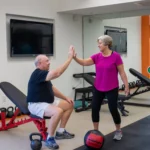
Small groups—maximum six people—allow coaches to make modifications for knees, hips, and backs without making anyone feel singled out.
For beginners, that reassurance changes everything.
Instead of worrying about keeping up, members focus on moving safely and consistently.
Over time, that builds trust in their body again.
And that trust carries into everyday life:
Walking at Cove Island.
Traveling through airports.
Playing with grandchildren.
Feeling steadier on stairs.
The First Goal Isn’t Intensity
One of the biggest misconceptions about strength training is that it needs to feel exhausting to work.
For adults over 50, the first goal is usually capacity—not intensity.
That means:
- Building movement confidence
- Learning safe patterns
- Gradually improving strength
- Recovering well between sessions
At Core Principles, every new member starts with two private foundation sessions before entering a small group.
This creates clarity instead of overwhelm.
If You’ve Been Waiting to Feel “Ready”
Many adults wait because they think they need:
- More energy
- Less pain
- Better fitness
- More confidence
But those things often improve after people begin—not before.
You don’t need to become fearless to start.
You simply need a supportive environment that meets you where you are.
Stronger for Everyday Life
For 12 years, Core Principles has helped adults 50+ in Stamford build strength in a calm, beginner-friendly environment.
Not for competition.
Not for extremes.
For real life.
If you want to feel more capable handling life’s interruptions—and more confident returning afterward—reach out to Core Principles Personal Training to learn more or book a consultation.
Sometimes resilience starts with simply deciding not to keep waiting anymore.