
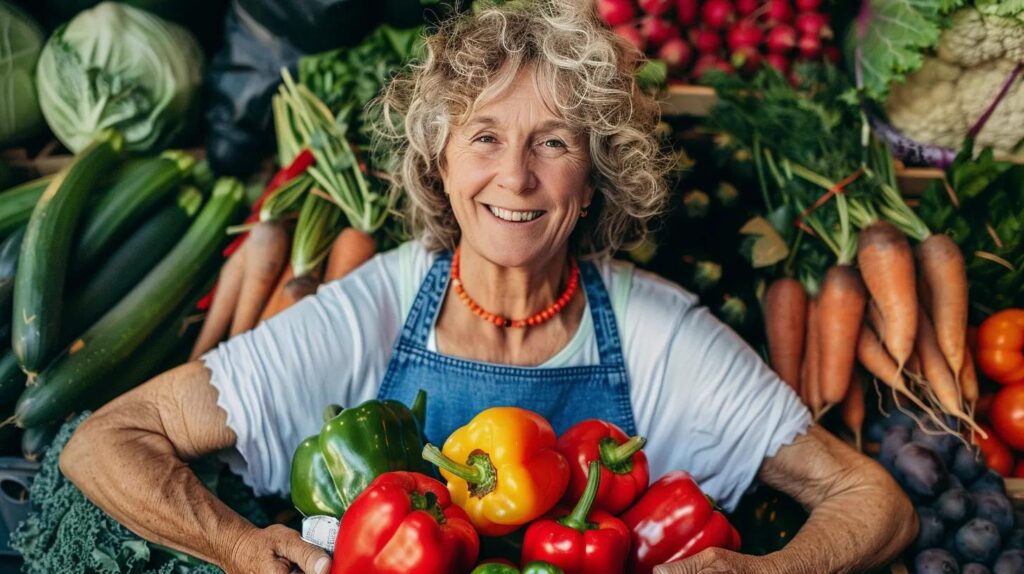
As we age, maintaining a healthy diet becomes increasingly vital for overall well-being. Older adults often face unique nutritional challenges that can impact their health, energy levels, and quality of life. This article delves into sustainable healthy eating habits tailored for seniors, providing essential nutrition tips and balanced meal plans. Readers will learn about the key nutritional needs for seniors over 50, practical dietary changes, hydration strategies, and the benefits of integrating nutrition coaching with personal training. By addressing these areas, older adults can enhance their health and vitality through informed dietary choices.
What Are the Key Nutritional Needs for Seniors Over 50?
Understanding the specific nutritional needs of seniors is crucial for promoting health and longevity. As individuals age, their metabolism changes, leading to different dietary requirements. Seniors often need to adjust their intake of proteins, vitamins, and minerals to support their health effectively. Key nutrients include proteins for muscle maintenance, calcium and vitamin D for bone health, and antioxidants to combat oxidative stress. By focusing on these essential nutrients, older adults can better manage their health and help prevent chronic diseases. For seniors, basic nutritional guidelines are particularly important.
How Does Aging Affect Dietary Requirements?
Aging significantly impacts dietary requirements due to changes in metabolism and nutrient absorption. As people age, their metabolic rate tends to slow down, which can lead to weight gain if caloric intake is not adjusted. Additionally, older adults may experience decreased appetite and altered taste perception, making it essential to focus on nutrient-dense foods. Increased needs for certain nutrients, such as vitamin B12 and fiber, also arise, necessitating dietary adjustments to ensure adequate intake.
Which Proteins and Micronutrients Support Healthy Aging?
Proteins and micronutrients play a vital role in supporting healthy aging. High-quality protein sources, such as lean meats, fish, eggs, and legumes, are essential for maintaining muscle mass and strength. Micronutrients like vitamin D, calcium, and magnesium are crucial for bone health, while antioxidants such as vitamins C and E help protect against cellular damage. Incorporating a variety of these nutrients into daily meals can significantly enhance overall health and well-being in older adults.
How Can Older Adults Implement Practical Dietary Changes?
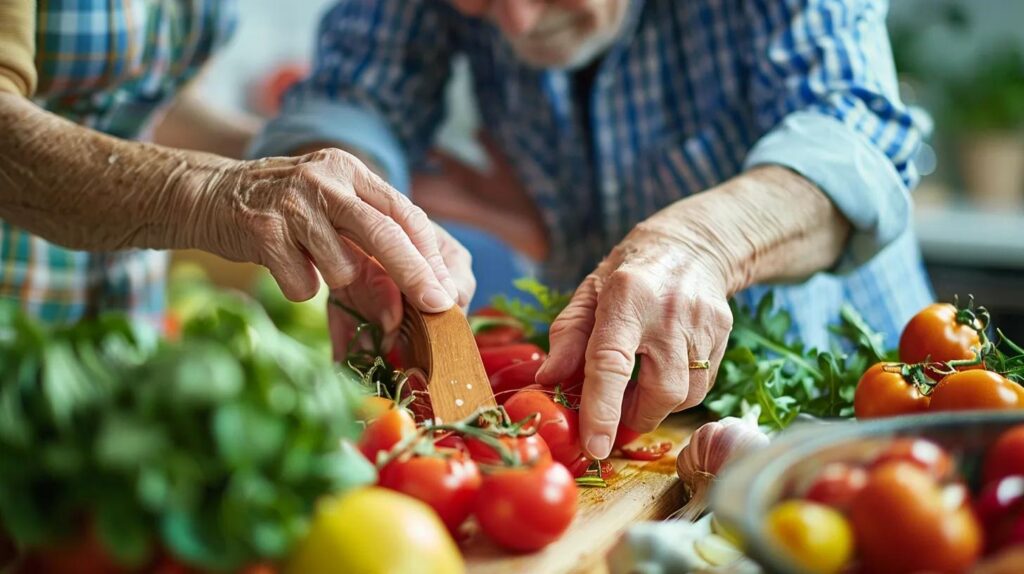
Implementing practical dietary changes can be straightforward and rewarding for older adults. By focusing on meal planning and preparation, seniors can ensure they meet their nutritional needs while enjoying their meals. Simple strategies can make a significant difference in dietary habits, leading to improved health outcomes. dietary habits.
What Are Effective Meal Planning and Preparation Tips for Seniors?
Effective meal planning and preparation can help seniors maintain a balanced diet. Here are some tips to consider:
- Batch Cooking: Prepare larger portions of meals and freeze them for later use, ensuring healthy options are always available.
- Using Seasonal Ingredients: Incorporate fresh, seasonal produce to enhance flavor and nutritional value while supporting local agriculture.
- Simplifying Recipes: Choose easy-to-follow recipes that require minimal preparation time, making cooking less daunting.
These strategies can help older adults enjoy nutritious meals without overwhelming themselves in the kitchen.
How to Incorporate Anti-Inflammatory and Immunity-Boosting Foods?
Incorporating anti-inflammatory and immunity-boosting foods into the diet is essential for older adults. Foods rich in omega-3 fatty acids, such as fatty fish, walnuts, and flaxseeds, can help reduce inflammation. Additionally, fruits and vegetables high in antioxidants, like berries, spinach, and sweet potatoes, support immune function. Including herbs and spices like turmeric and ginger can also enhance the anti-inflammatory properties of meals. By focusing on these foods, seniors can bolster their immune systems and promote overall health.
Why Is Hydration Crucial for Senior Health and How to Maintain It?
Hydration is a critical aspect of health that often gets overlooked in older adults. As people age, their sense of thirst may diminish, leading to an increased risk of dehydration. Proper hydration is essential for maintaining bodily functions, including digestion, circulation, and temperature regulation. Understanding hydration strategies can help seniors stay healthy and active.
What Are Recommended Hydration Strategies for Older Adults?
To maintain proper hydration, older adults can adopt several strategies:
- Regular Water Intake: Aim for about 6 to 8 cups (approximately 1.5 to 2 liters) of water daily, adjusting based on activity level, climate, and individual health conditions.
- Incorporating Hydrating Foods: Include fruits and vegetables with high water content, such as cucumbers, oranges, and watermelon, in daily meals.
- Setting Reminders: Use alarms or apps to remind oneself to drink water throughout the day.
These strategies can help ensure that seniors remain adequately hydrated, supporting their overall health.
How Does Hydration Impact Chronic Disease Management?
Hydration plays a significant role in managing chronic diseases, particularly in older adults. Proper fluid intake can enhance the effectiveness of medications and help manage conditions such as diabetes and hypertension. Dehydration can exacerbate symptoms and lead to complications, making it crucial for seniors to prioritize hydration. By understanding the connection between hydration and chronic disease management, older adults can take proactive steps to improve their health outcomes.
How Does Integrating Nutrition with Personal Training Enhance Senior Wellness?

Integrating nutrition with personal training can significantly enhance wellness for older adults. A holistic approach that combines proper dietary habits with physical activity can lead to improved health outcomes and a better quality of life. This synergy is particularly beneficial for seniors looking to maintain their independence and vitality.
What Are the Benefits of Combining Nutrition Coaching and Exercise?
Combining nutrition coaching with exercise offers several benefits for older adults:
- Improved Health Outcomes: A balanced diet paired with regular physical activity can lead to better weight management and reduced risk of chronic diseases.
- Enhanced Motivation: Working with a coach can provide accountability and encouragement, making it easier to stick to healthy habits.
- Personalized Plans: Tailored nutrition and exercise programs can address individual needs and preferences, ensuring a more effective approach to wellness.
These benefits highlight the importance of a comprehensive strategy for maintaining health in older adults.
How Do Personalized Programs Support Sustainable Healthy Habits?
Personalized programs are essential for supporting sustainable healthy habits among seniors. By focusing on individual needs, preferences, and goals, these programs can foster long-term adherence to healthy eating and exercise routines. Key features of effective personalized programs include:
- Customization for Individual Needs: Tailoring plans to accommodate dietary restrictions, preferences, and health conditions ensures that seniors can follow them comfortably.
- Long-Term Habit Formation: Gradual changes and consistent support help seniors develop lasting healthy habits that contribute to their overall well-being.
By emphasizing personalization, older adults can achieve sustainable health improvements. fitness programs for adults.
What Are Balanced Diet Guidelines and Foods to Boost Immunity for Seniors?

A balanced diet is crucial for seniors to maintain health and boost immunity. Understanding dietary guidelines can help older adults make informed food choices that support their overall well-being.
Which Foods Constitute a Balanced Diet for Aging Adults?
A balanced diet for aging adults should include a variety of food groups to ensure adequate nutrient intake. Key components include: 6 basic nutritional guidelines.
- Fruits and Vegetables: Aim for a colorful variety to maximize nutrient intake and antioxidant benefits.
- Whole Grains: Incorporate whole grains like brown rice, quinoa, and whole wheat bread for fiber and energy.
- Lean Proteins: Include sources such as poultry, fish, beans, and legumes to support muscle health.
These food groups provide essential nutrients that contribute to overall health and vitality.
How to Select Foods That Enhance Senior Immune Function?
Selecting foods that enhance immune function is vital for older adults. Key considerations include:
- Nutrient Density: Choose foods rich in vitamins and minerals, such as leafy greens, citrus fruits, and nuts, to support immune health.
- Variety: Incorporate a wide range of foods to ensure a comprehensive nutrient profile, which is essential for optimal immune function.
- Minimizing Processed Foods: Limit intake of processed foods high in sugar and unhealthy fats, which can negatively impact immune health.
By focusing on these selection criteria, seniors can enhance their immune function and overall health. Nutrition coaching can be an essential part of this process.
Frequently Asked Questions
What role does fiber play in the diet of seniors?
Fiber is crucial for seniors as it aids in digestion and helps prevent constipation, a common issue in older adults. It also plays a significant role in maintaining a healthy weight and lowering the risk of chronic diseases such as heart disease and diabetes. High-fiber foods, such as whole grains, fruits, vegetables, and legumes, can help regulate blood sugar levels and improve overall gut health. Seniors should aim to include a variety of fiber-rich foods in their diet to reap these benefits.
How can seniors manage dietary restrictions due to health conditions?
Managing dietary restrictions is essential for seniors with health conditions like diabetes, hypertension, or food allergies. Consulting with a registered dietitian can provide personalized guidance tailored to individual health needs. Seniors should focus on whole, nutrient-dense foods while avoiding processed items high in sugar, sodium, or unhealthy fats. Meal planning and preparation can help ensure that dietary restrictions are met without sacrificing nutrition or enjoyment. Keeping a food diary may also assist in tracking what works best for their health.
What are some easy ways for seniors to increase their protein intake?
Increasing protein intake can be simple for seniors by incorporating high-protein foods into meals and snacks. Options include adding Greek yogurt, cottage cheese, or eggs to breakfast, snacking on nuts or seeds, and including legumes like beans and lentils in soups and salads. Lean meats, fish, and poultry are also excellent sources. For those with dietary restrictions, protein supplements or shakes can be considered, but it’s best to consult a healthcare provider before starting any new supplement regimen.
How can seniors ensure they are getting enough vitamins and minerals?
Seniors can ensure adequate vitamin and mineral intake by consuming a diverse diet rich in fruits, vegetables, whole grains, lean proteins, and healthy fats. Regularly including a variety of colorful foods can help cover a broad spectrum of nutrients. Additionally, seniors may benefit from discussing the need for supplements with their healthcare provider, especially for nutrients like vitamin D, calcium, and B12, which are often lacking in older adults. Regular health check-ups can also help monitor nutrient levels.
What are some tips for maintaining a healthy weight as a senior?
Maintaining a healthy weight as a senior involves a combination of balanced nutrition and regular physical activity. Seniors should focus on portion control, choosing nutrient-dense foods over calorie-dense options, and staying active through walking, swimming, or other enjoyable exercises. Keeping a food diary can help track eating habits and identify areas for improvement. Additionally, engaging in social activities around meals can promote healthier eating patterns and prevent emotional eating, which can contribute to weight gain.
How can seniors improve their cooking skills for healthier meals?
Seniors can improve their cooking skills by starting with simple, healthy recipes that require minimal ingredients and preparation time. Taking cooking classes, either in-person or online, can also provide valuable skills and confidence in the kitchen. Utilizing kitchen gadgets like slow cookers or air fryers can make cooking easier and more enjoyable. Additionally, involving family members or friends in meal preparation can make cooking a fun social activity while learning new techniques and recipes together.