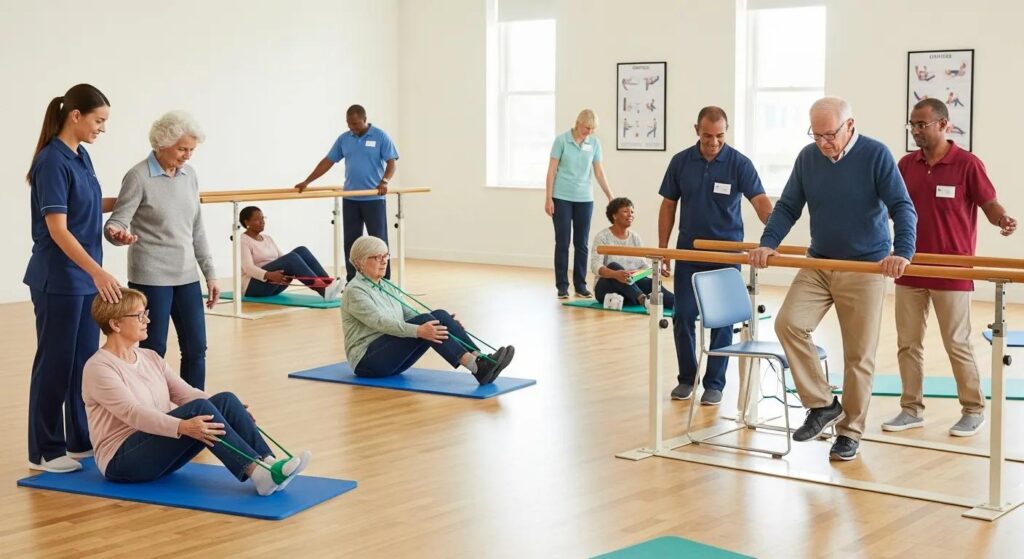
As we age, maintaining balance, strength, and mobility becomes crucial for preventing falls and ensuring independence. Effective fall prevention exercises can significantly reduce the risk of falls among older adults, enhancing their overall quality of life. This article explores various exercises designed to improve balance, strength, and mobility, providing a comprehensive guide for older adults and their caregivers. By understanding the importance of these exercises, readers will learn how to implement them safely and effectively.
The following sections will cover balance training techniques, strength exercises to enhance stability, and mobility improvement strategies. Additionally, we will discuss the most effective exercises for seniors and how these practices can lead to a safer, more active lifestyle.
Balance Training Techniques
Balance training is essential for older adults as it helps improve stability and coordination, reducing the risk of falls. Various exercises can be incorporated into a regular fitness routine to enhance balance. Some effective balance training techniques include:
- Single-leg stands: This exercise involves standing on one leg for a set period, which helps strengthen the stabilizing muscles in the legs and improve overall balance.
- Heel-to-toe walk: Walking in a straight line, placing the heel of one foot directly in front of the toes of the other foot, challenges balance and coordination.
- Tai Chi: This ancient martial art focuses on slow, controlled movements and can significantly improve balance and flexibility.
Core Principles Personal Training offers personalized personal training programs tailored to older adults, focusing on these balance training techniques to enhance safety and independence.
Strength Exercises to Enhance Stability
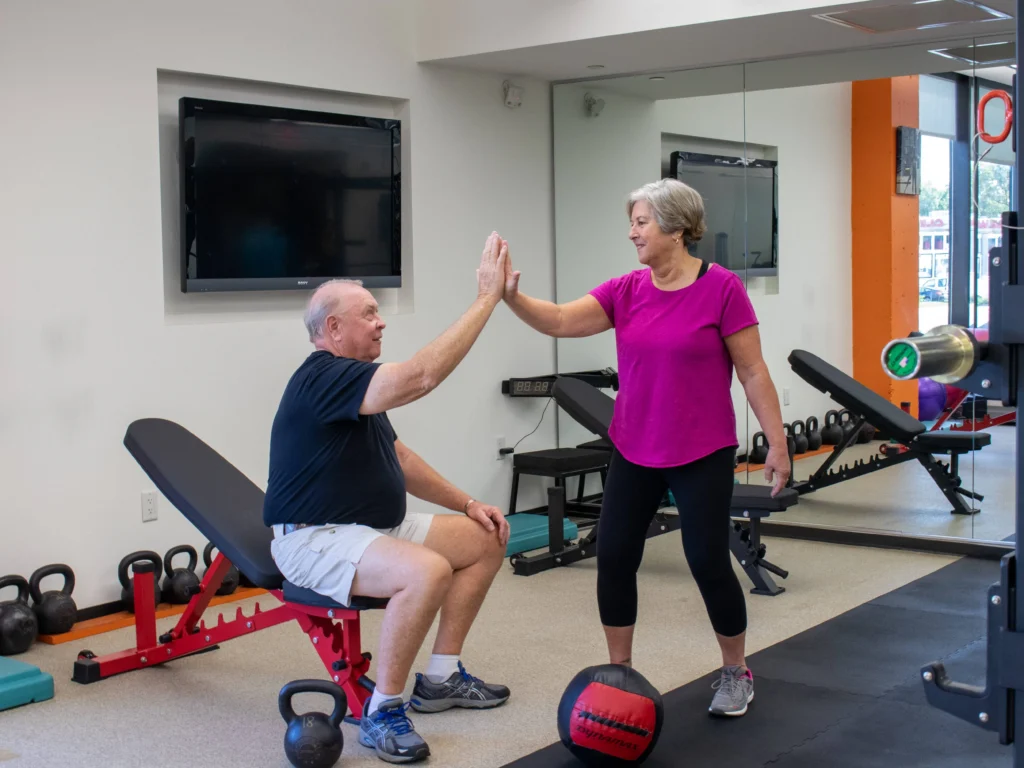
Strength training plays a vital role in fall prevention by improving muscle strength and stability. Older adults can benefit from various strength exercises that target key muscle groups. Some effective strength exercises include: strength training for older adults.
- Leg strength exercises: Squats and leg presses help build strength in the lower body, which is crucial for maintaining balance and stability.
- Core strength exercises: Engaging in exercises like planks and bridges strengthens the core muscles, providing better support for the spine and improving overall stability.
- Power training: Incorporating explosive movements, such as jumping or quick step-ups, can enhance muscle power and reaction time, further reducing fall risk.
Further research emphasizes the critical role of core strength in mitigating age-related declines and enhancing balance and functional performance.
Core Strength & Pilates for Senior Balance & Fall Prevention
The aging process results in a number of functional (e.g., deficits in balance and strength/power performance), neural (e.g., loss of sensory/motor neurons), muscular (e.g., atrophy of type-II muscle fibers in particular), and bone-related (e.g., osteoporosis) deteriorations. Traditionally, balance and/or lower extremity resistance training were used to mitigate these age-related deficits. However, the effects of resistance training are limited and poorly translate into improvements in balance, functional tasks, activities of daily living, and fall rates. Thus, it is necessary to develop and design new intervention programs that are specifically tailored to counteract age-related weaknesses. Recent studies indicate that measures of trunk muscle strength (TMS) are associated with variables of static/dynamic balance, functional performance, and falls (i.e., occurrence, fear, rate, and/or risk of falls). Further, there is preliminary evidence in the literature that core strength training (CST) and Pilates exercise training (PET) have a positive influence on measures of strength, balance, functional performance, and falls in older adults.
The importance of trunk muscle strength for balance, functional performance, and fall prevention in seniors: a systematic review, U Granacher, 2013
Studies confirm that progressive resistance training, encompassing various strength exercises, significantly improves static balance performance in older adults.
Progressive Resistance Training for Older Adults’ Balance
Age-associated losses in muscle mass, or sarcopenia, are marked by accompanying decrements in strength and muscle quality, impairing balance and increasing the risk for falls. Although progressive resistance training has been widely accepted as an appropriate modality for the treatment of sarcopenia, it has yet to offer consistent results in terms of improved balance. The purpose of the present research was to investigate the effects on static balance performance following a 6-week full-body progressive resistance training program in untrained older adults. Evaluation of magnitude-based inferences indicated the progressive resistance training intervention to be likely beneficial for improving static balance performance. These results were likely related to the strengthening of all major muscle groups by the incorporation of both free weights and resistance machines in the exercise regimen. Our findings support the use of progressive resistance training for untrained older adults to improve balance.
Resistance training improves single leg stance performance in older adults, AM Gonzalez, 2014
Nutrition coaching is also an essential component of fall prevention, as proper nutrition supports muscle strength and overall health. Core Principles Personal Training provides nutrition coaching to help older adults maintain a balanced diet that supports their fitness goals.
EAV Table: Strength Exercises Comparison
To better understand the benefits of different strength exercises, the following table compares various exercises, their benefits, and recommended frequency.
| Exercise | Benefits | Frequency |
|---|---|---|
| Squats | Builds leg strength and stability | 2-3 times per week |
| Planks | Strengthens core muscles | 2-3 times per week |
| Step-ups | Improves leg strength and coordination | 2-3 times per week |
This comparison highlights how incorporating a variety of strength training for older adults can lead to improved stability and reduced fall risk for older adults.
Mobility Improvement Strategies
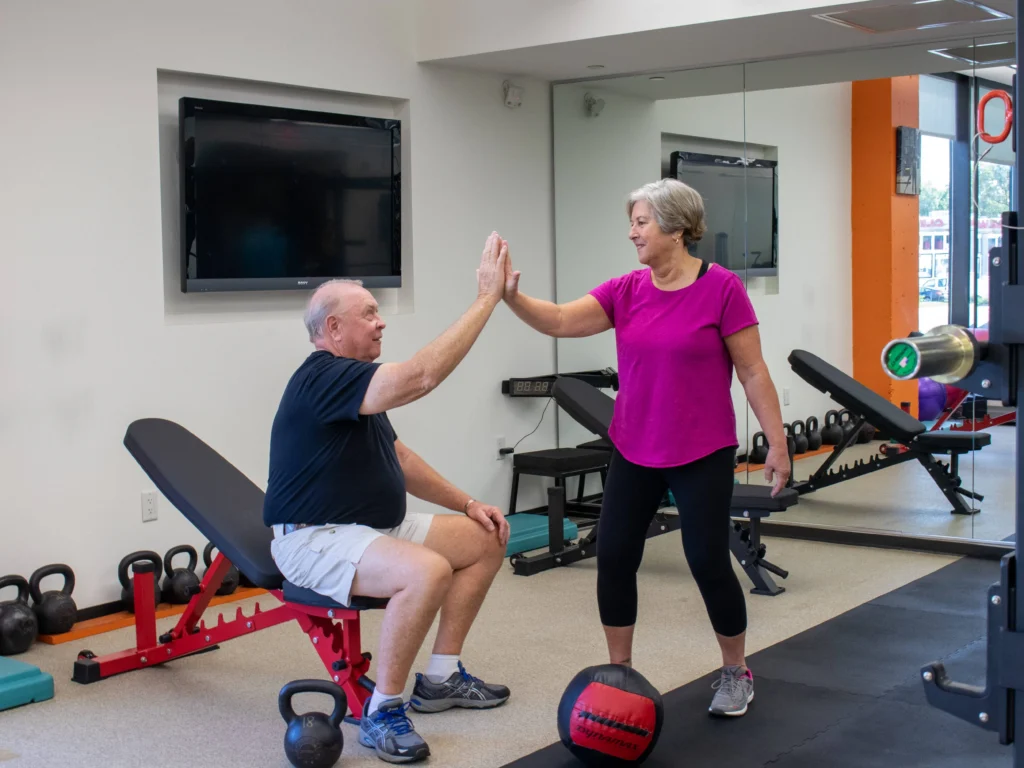
Improving mobility is crucial for older adults to maintain independence and reduce fall risk. Several strategies can enhance mobility, including: strength training for older adults.
- Getting up off the floor: Practicing how to safely get up from the floor can help older adults feel more confident and prepared in case of a fall.
- Functional movements: Engaging in exercises that mimic daily activities, such as bending and reaching, can improve overall mobility and strength.
- Regular walking: Incorporating walking into daily routines not only improves cardiovascular health but also enhances balance and coordination.
Beyond traditional approaches, incorporating agility training can offer a comprehensive strategy for fall prevention by integrating neuromuscular, cardiocirculatory, and cognitive benefits.
Agility Training for Comprehensive Fall Prevention in Seniors
Annually, one in three seniors aged over 65 years fall. Balance and strength training can reduce neuromuscular fall risk factors and fall rates. Besides conventional balance and strength training, explosive or high-velocity strength training, eccentric exercises, perturbation-based balance training, trunk strength, and trunk control have also been emphasized. An agility-based conceptual training framework comprising perception and decision making and changes of direction might enable an integrative neuromuscular, cardiocirculatory, and cognitive training.
Exercise-based fall prevention in the elderly: what about agility?, L Donath, 2016
Additional Considerations
When implementing fall prevention exercises, it is essential to consider individual needs and abilities. Tailoring programs to fit each person’s unique situation can lead to better outcomes. Additionally, community support and encouragement can motivate older adults to stay active and engaged in their fitness routines.
What Are the Most Effective Balance Exercises for Seniors?
Several balance exercises have proven particularly effective for seniors. These include: strength training for older adults.
- Single leg stand: Enhances stability and strengthens leg muscles.
- Staggered stance deadlift: Improves balance and coordination while engaging the core.
- Single leg deadlift: Challenges balance and strengthens the posterior chain.
How Do Balance Training Techniques Reduce Fall Risk in Older Adults?
Balance training techniques reduce fall risk by enhancing muscle strength, coordination, and proprioception. Improved strength allows older adults to maintain stability during daily activities, while better coordination helps them react quickly to potential hazards. Additionally, core strength plays a crucial role in maintaining balance, as it supports the spine and helps prevent falls.
Which Senior Stability Exercises Improve Coordination and Confidence?
Several exercises can enhance coordination and confidence in older adults, including: strength training for older adults.
- Sit-to-stand strength: This exercise improves leg strength and functional mobility.
- Balance training: Engaging in various balance exercises helps build confidence in movement.
- Hip and core strength exercises: Strengthening these areas contributes to overall stability and coordination.
How Can Strength Training Support Fall Prevention in Older Adults?
Strength training supports fall prevention by improving muscle strength, enhancing balance and coordination, and increasing bone density. Regular strength training can help older adults maintain their independence and reduce the likelihood of falls.
Essential Strength Exercises for Stability in Newfield and Westover
Some of the best strength exercises for older adults include:
- Squats: Strengthen the legs and improve balance.
- Lunges: Enhance leg strength and stability.
- Step-ups: Improve coordination and leg strength.
How Often Should Seniors Perform Strength Training for Optimal Fall Risk Reduction?
Seniors should aim to perform strength training exercises at least twice a week, with each session lasting around 30 minutes. Gradually increasing the intensity of the exercises can lead to optimal fall risk reduction.
Which Mobility Improvement Exercises Enhance Safety and Independence for Seniors?
Mobility improvement exercises that enhance safety and independence include: workout classes
- Strength training: Builds the necessary muscle strength for daily activities.
- Balance exercises: Help maintain stability and prevent falls.
- Mobility work: Focuses on improving flexibility and range of motion.
How Do Mobility Exercises Improve Flexibility and Movement in Older Adults?
Mobility exercises improve flexibility and movement by promoting joint health and increasing the range of motion. Regular practice of these exercises can lead to better overall mobility, making daily activities easier and safer for older adults.
What Nutrition Tips Support Bone Health and Muscle Strength in Adults Over 50?
To support bone health and muscle strength, older adults should consider the following nutrition tips:
- Incorporate protein sources: Adequate protein intake is essential for muscle maintenance.
- Focus on vitamin D: This vitamin is crucial for calcium absorption and bone health.
- Ensure sufficient calcium intake: Calcium is vital for maintaining bone density.
How Does Proper Hydration Reduce Fall Risk in Older Adults?
Proper hydration is essential for overall health and can significantly reduce fall risk in older adults. Dehydration can lead to dizziness and confusion, increasing the likelihood of falls. Ensuring adequate daily water intake and recognizing the signs of dehydration can help maintain safety and well-being. Strength training for older adults
Frequently Asked Questions
What role does nutrition play in fall prevention for older adults?
Nutrition plays a critical role in fall prevention for older adults by supporting muscle strength, bone health, and overall well-being. A balanced diet rich in protein, calcium, and vitamin D is essential for maintaining muscle mass and bone density, which are crucial for stability and balance. Additionally, proper hydration helps prevent dizziness and confusion, further reducing fall risk. Nutrition coaching can assist older adults in making dietary choices that align with their fitness goals and health needs.
How can caregivers support older adults in fall prevention exercises?
Caregivers can play a vital role in supporting older adults with fall prevention exercises by providing encouragement, guidance, and assistance. They can help create a safe exercise environment, ensuring that the space is free of hazards. Additionally, caregivers can participate in exercises alongside older adults, making the experience more enjoyable and motivating. Regular check-ins to assess progress and adapt exercise routines based on individual needs can also enhance safety and effectiveness.
Are there specific exercises to improve agility in older adults?
Yes, there are several exercises designed to improve agility in older adults, which can enhance their ability to react quickly and maintain balance. Exercises such as lateral shuffles, cone drills, and agility ladder drills can be beneficial. These activities challenge coordination and promote quick changes in direction, which are essential for preventing falls. Incorporating agility training into a regular fitness routine can provide comprehensive benefits, including improved neuromuscular function and cognitive engagement.
What are the signs that an older adult may need to adjust their exercise routine?
Signs that an older adult may need to adjust their exercise routine include increased fatigue, persistent pain, difficulty completing exercises, or a noticeable decline in balance and coordination. Additionally, if they experience dizziness or shortness of breath during physical activity, it may indicate the need for modifications. Regular assessments and open communication about any discomfort or challenges can help ensure that the exercise program remains safe and effective.
How can community support enhance fall prevention efforts for seniors?
Community support can significantly enhance fall prevention efforts for seniors by providing social engagement, resources, and motivation. Group exercise classes, workshops, and community events focused on health and wellness can foster a sense of belonging and encourage participation in fall prevention activities. Additionally, local organizations can offer educational resources and access to fitness programs tailored for older adults, helping them stay active and connected while reducing the risk of falls.
What should older adults consider when starting a new exercise program?
When starting a new exercise program, older adults should consider their current fitness level, any existing health conditions, and personal goals. It’s essential to consult with a healthcare provider or a fitness professional to ensure the program is safe and appropriate. Additionally, starting slowly and gradually increasing intensity can help prevent injury. Incorporating a variety of exercises that focus on balance, strength, and mobility will provide a well-rounded approach to fitness and fall prevention.
Conclusion
Implementing effective fall prevention exercises is essential for older adults to enhance balance, strength, and mobility, ultimately reducing the risk of falls. By understanding and practicing these exercises, seniors can significantly improve their quality of life and maintain independence. We encourage you to explore tailored fitness programs that cater to the unique needs of older adults. Take the first step towards a safer, more active lifestyle today.