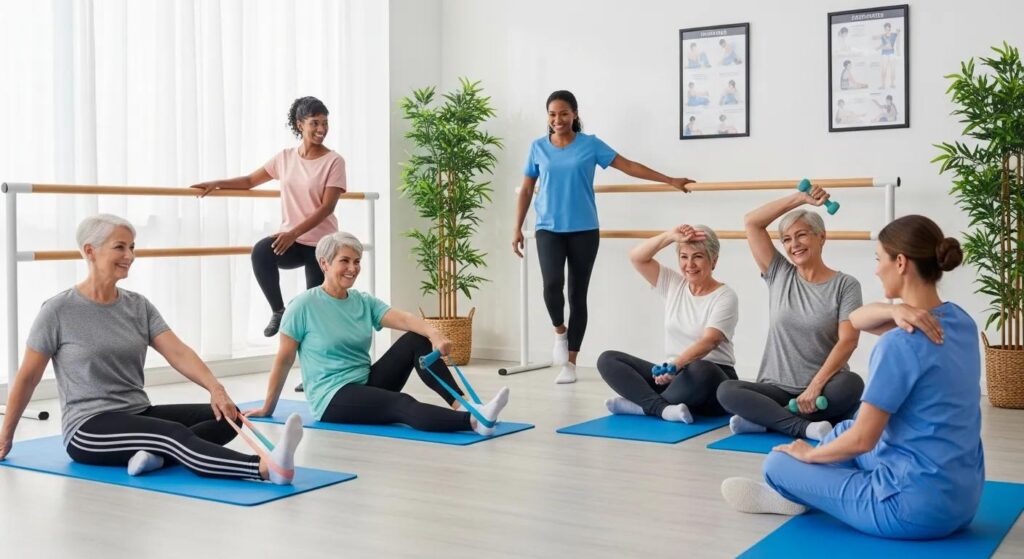
Arthritis pain can significantly impact the quality of life for seniors, making it essential to find effective management strategies. This article explores safe exercises tailored for older adults, focusing on low-impact workouts that enhance mobility and reduce discomfort. Readers will learn about the benefits of these exercises, nutrition strategies that support joint health, and how personalized training programs can further aid in managing arthritis pain. By addressing the challenges of arthritis, seniors can regain confidence and improve their overall well-being through safe and effective exercise routines. The following sections will cover low-impact exercises, nutrition strategies, and the role of personalized training in arthritis management.
Low-Impact Exercises
Low-impact exercises are crucial for seniors managing arthritis, as they minimize stress on the joints while promoting mobility and strength. These exercises include activities such as walking, swimming, and cycling, which can be easily adapted to individual fitness levels. Engaging in low-impact workouts not only helps in pain management but also enhances overall physical health. Regular participation in these activities can lead to improved joint function, increased flexibility, and better cardiovascular health.
Benefits of Low-Impact Exercises
- Joint Protection: Low-impact exercises reduce the risk of injury by minimizing stress on joints.
- Enhanced Mobility: Regular movement helps maintain and improve the range of motion in affected joints.
- Pain Reduction: Engaging in gentle activities can alleviate stiffness and discomfort associated with arthritis.
Frequency and Duration Recommendations
To reap the benefits of low-impact exercises, seniors should aim for at least 150 minutes of moderate aerobic activity each week, spread across several days. This can be broken down into manageable sessions of 30 minutes, five times a week. Additionally, incorporating strength training exercises at least twice a week can further enhance joint stability and muscle strength.
Nutrition Strategies
Nutrition plays a vital role in managing arthritis pain and supporting joint health. A balanced diet rich in anti-inflammatory foods can help reduce symptoms and improve overall well-being. Key components of a nutrition strategy for seniors with arthritis include adequate protein intake, healthy fats, and hydration.
Importance of Protein Intake
Protein is essential for muscle repair and maintenance, which is particularly important for seniors. Including high-quality protein sources such as lean meats, fish, beans, and legumes can support muscle health and enhance recovery from exercise.
Hydration and Healthy Fats
Staying hydrated is crucial for joint lubrication and overall health. Seniors should aim to drink plenty of water throughout the day. Additionally, incorporating healthy fats, such as those found in avocados, nuts, and olive oil, can help reduce inflammation and support joint function.
Balanced Meals for Joint Health
Creating balanced meals that include a variety of fruits, vegetables, whole grains, and lean proteins can provide the necessary nutrients to support joint health. Foods rich in omega-3 fatty acids, such as salmon and flaxseeds, are particularly beneficial for reducing inflammation.
Indeed, scientific studies highlight the specific benefits of omega-3 fatty acids in managing inflammatory conditions like rheumatoid arthritis.
Omega-3 Fatty Acids for Rheumatoid Arthritis Management
Omega-3 fatty acids are thought to have immunomodulatory properties as they act as precursors to lipid mediators of inflammation which may limit or modulate the inflammatory response. Omega-3 fatty acids seem to prevent or attenuate experimental arthritis. They may have a beneficial effect in the treatment of rheumatoid arthritis. Clinical studies have shown that omega-3 fatty acids may have a modulatory effect on disease activity, namely on the number of swollen and tender joints. It appears that omega-3 fatty acids may modulate disease activity in rheumatoid arthritis.
The effect of omega-3 fatty acids on rheumatoid arthritis, 2020
Core Principles Personal Training offers personalized nutrition coaching designed to improve joint health and overall strength safely. Their programs focus on creating balanced meal plans that cater to individual needs, ensuring seniors receive the right nutrients to support their fitness goals.
What Are the Benefits of Safe Exercises for Managing Arthritis Pain in Seniors?

Safe exercises provide numerous benefits for seniors managing arthritis pain. These include increased confidence in physical abilities, reduced morning stiffness, and improved mobility. Engaging in regular physical activity can also enhance mental well-being, providing a sense of accomplishment and reducing feelings of isolation.
How Do Low-Impact Workouts Improve Joint Health and Mobility?
Low-impact workouts improve joint health by promoting circulation and reducing stiffness. These exercises help strengthen the muscles surrounding the joints, providing better support and stability. Additionally, they can enhance flexibility, allowing for a greater range of motion and reducing the risk of injury. For more information, visit exercises for knee pain.
What Role Does Exercise Play in Reducing Arthritis Pain and Enhancing Strength?
Exercise plays a critical role in managing arthritis pain by improving joint function and reducing stiffness. Regular physical activity helps maintain muscle strength, which is essential for joint support. Furthermore, exercise can stimulate the release of endorphins, natural pain relievers that can help alleviate discomfort.
Which Joint-Friendly Exercise Types Are Best for Seniors with Arthritis?
Several joint-friendly exercise types are particularly beneficial for seniors with arthritis. These include: senior fitness
- Strength Training: Using light weights or resistance bands can help build muscle strength without straining the joints.
- Walking: A simple yet effective way to stay active, walking can be easily adjusted to fit individual fitness levels.
- Balance Exercises: Activities such as tai chi or yoga can improve balance and coordination, reducing the risk of falls.
Research further emphasizes the critical role of exercise in mitigating fall risks for seniors with arthritis. ultimate guide to choosing the right gym
Arthritis, Falls, and Exercise Interventions for Seniors
Chronic musculoskeletal conditions in the lower extremities, particularly arthritis, and the chronic pain associated with them, are independent risk factors for falls, with approximately 50% of people with arthritis reporting one or more falls. The presence of any form of lower limb arthritis and the associated consequences including pain, balance impairment, reduced muscle strength and reduced function are all associated with increased risk of falling.
Balance dysfunction and falls in people with lower limb arthritis: factors contributing to risk and effectiveness of exercise interventions, 2012
What Are Effective Low-Impact Cardio and Strength Training Exercises?
Effective low-impact cardio exercises include:
- Swimming: Provides a full-body workout while minimizing joint stress.
- Cycling: A great way to improve cardiovascular fitness without putting pressure on the joints.
- Elliptical Training: Offers a low-impact alternative to running, allowing for a good cardiovascular workout.
For strength training, seniors can benefit from: the ultimate guide to choosing the right gym after 50 without wasting time or money.
- Bodyweight Exercises: Such as squats and modified push-ups, which can be performed at home.
- Resistance Band Workouts: These can be tailored to individual strength levels and are easy to use.
- Light Weightlifting: Focusing on higher repetitions with lower weights to build strength safely.
How Can Safe Stretching Routines Support Arthritis Pain Relief?
Safe stretching routines can significantly support arthritis pain relief by improving flexibility and reducing muscle tension. Incorporating gentle stretches into a daily routine can help maintain joint mobility and alleviate stiffness. Recommended stretches include: simple tips to stave off arthritis symptoms.
- Neck Stretches: Gently tilting the head to each side can relieve tension.
- Shoulder Rolls: Helps to loosen tightness in the shoulders and upper back.
- Hamstring Stretches: Can improve flexibility in the legs and lower back.
How Does Nutrition Coaching Complement Exercise in Arthritis Pain Management?

Nutrition coaching complements exercise by providing personalized dietary guidance that supports overall health and recovery. A well-rounded diet can enhance the effectiveness of exercise programs, ensuring that seniors have the energy and nutrients needed for optimal performance.
Which Nutrition Plans Support Joint Health and Reduce Inflammation?
Several nutrition plans can support joint health and reduce inflammation, including: simple tips to stave off arthritis symptoms.
- Mediterranean Diet: Rich in fruits, vegetables, whole grains, and healthy fats, this diet is known for its anti-inflammatory properties.
- DASH Diet: Focuses on reducing sodium intake while promoting nutrient-rich foods that support overall health.
- Anti-Inflammatory Diet: Emphasizes foods high in omega-3 fatty acids, antioxidants, and fiber to combat inflammation.
How Does Integrated Nutrition Enhance Senior Fitness Programs for Arthritis?
Integrated nutrition enhances senior fitness programs by ensuring that dietary choices align with exercise goals. Proper nutrition can improve energy levels, support muscle recovery, and enhance overall performance in physical activities. senior fitness
What Safety Tips and Precautions Should Seniors Follow When Exercising with Arthritis?
Seniors should follow several safety tips when exercising with arthritis:
- Start Slow: Gradually increase the intensity and duration of workouts to avoid injury.
- Choose Appropriate Exercises: Select low-impact activities that are gentle on the joints.
- Listen to Your Body: Pay attention to pain signals and adjust workouts accordingly.
How Can Seniors Modify Workouts to Prevent Joint Strain and Injury?
Seniors can modify workouts by:
- Using Supportive Equipment: Such as resistance bands or stability balls to enhance safety.
- Incorporating Rest Days: Allowing time for recovery between workouts can prevent overuse injuries.
- Focusing on Form: Ensuring proper technique during exercises can reduce the risk of strain.
What Are Recommended Guidelines for Safe Exercise Progression?
To safely progress in exercise, seniors should: exercise programming for older adults
- Increase Intensity Gradually: Small increments in weight or resistance can help build strength without overexertion.
- Monitor Progress: Keeping track of improvements can motivate and guide adjustments in the routine.
- Consult Professionals: Working with a personal trainer can provide tailored guidance and support.
How Do Personalized Training Programs at Core Principles Personal Training Support Arthritis Management?
Personalized training programs at Core Principles Personal Training are designed to support arthritis management through tailored exercise plans that consider individual needs and limitations. These programs focus on joint-friendly exercises, ensuring that seniors can safely engage in physical activity while receiving the necessary support and motivation.
This individualized approach aligns with broader medical understanding that personalized strategies are crucial for chronic pain management.
Personalized Approaches to Chronic Pain Management
Despite advances made in its understanding and treatment, chronic pain remains an unsolved and all too common problem. One of the main obstacles to successful management of pain is the high variability of many patients regarding both response to treatment and susceptibility to adverse effects, which curtails the utility of therapeutic intervention. Understanding the causes of this variability is an important challenge which may lead to a new era in rational pain management. Rational personalized pain management must take into consideration both ever-increasing knowledge of pharmacogenetics and pharmacokinetics and a broad, clinically based attitude incorporating co-morbidities, both physical and psychiatric, and concomitant medications.
Personalized treatment of pain, JN Ablin, 2013
What Are the Features of Customized Senior Fitness Programs for Arthritis Pain Relief?
Customized senior fitness programs for arthritis pain relief typically include:
- Individual Assessments: Evaluating each client’s fitness level and specific needs.
- Joint-Friendly Exercise Plans: Focusing on low-impact activities that promote strength and flexibility.
- Ongoing Support: Providing continuous guidance and adjustments to ensure safety and effectiveness.
How Do Case Studies Demonstrate the Effectiveness of Personalized Coaching?
Case studies have shown that personalized coaching can lead to significant improvements in pain management and overall fitness for seniors with arthritis. Success stories often highlight enhanced mobility, reduced pain levels, and increased confidence in physical abilities, demonstrating the value of tailored exercise programs.
What Are Common Questions About Safe Exercises for Seniors Managing Arthritis Pain?
Common questions regarding safe exercises for seniors managing arthritis pain include:
- What types of exercises are safe?: Low-impact activities such as walking, swimming, and strength training are generally safe.
- How do I start a strength training routine?: Begin with light weights or resistance bands and focus on proper form.
- Are there specific movements to avoid?: High-impact activities and exercises that cause pain should be avoided.
What Exercises Are Best for Arthritis Pain Relief?
Exercises that are best for arthritis pain relief include:
- Sit-to-Stand Exercises: Strengthen leg muscles and improve mobility.
- Supported Split-Stance Holds: Enhance balance and stability.
- Hip Bridges: Strengthen the glutes and lower back while being gentle on the joints.
How Can Seniors Exercise Safely with Arthritis?
Seniors can exercise safely with arthritis by following these guidelines:
- Choose Low-Impact Activities: Focus on exercises that minimize joint stress.
- Incorporate Flexibility and Balance Training: These components are essential for overall stability and injury prevention.
- Stay Consistent: Regular activity is key to managing arthritis symptoms effectively.
What are some signs that I should modify my exercise routine for arthritis?
If you experience increased pain, swelling, or stiffness after exercising, it may be a sign to modify your routine. Additionally, if you find it difficult to complete your workouts or if you feel fatigued for extended periods, consider adjusting the intensity or duration of your exercises. It’s essential to listen to your body and consult with a healthcare professional or a personal trainer specializing in arthritis management to ensure your routine remains safe and effective.
How can I stay motivated to exercise regularly with arthritis?
Staying motivated can be challenging, but setting realistic goals and tracking your progress can help. Joining a group class or finding a workout buddy can provide social support and accountability. Additionally, varying your routine with different low-impact activities can keep things interesting. Remember to celebrate small achievements and focus on the positive effects of exercise on your chronic pain management and overall well-being to maintain motivation.
Are there any specific warm-up exercises recommended for seniors with arthritis?
Yes, warming up is crucial for seniors with arthritis to prepare the joints and muscles for activity. Gentle movements such as arm circles, ankle rolls, and neck stretches can help increase blood flow and flexibility. Additionally, light walking or marching in place for a few minutes can effectively warm up the body. Always ensure that warm-up exercises are low-impact and comfortable to avoid any strain on the joints. senior fitness
What should I do if I experience pain during exercise?
If you experience pain during exercise, it’s important to stop immediately and assess the situation. Distinguish between normal discomfort and pain that signals injury. If the pain persists, apply ice to the affected area and rest. Consult with a healthcare professional to determine the cause of the pain and adjust your exercise routine accordingly. Modifying exercises or seeking guidance from a trainer can help prevent future discomfort.
How can I incorporate flexibility training into my routine?
Incorporating flexibility training can be done through gentle stretching exercises that target major muscle groups. Aim to include stretches for the neck, shoulders, back, hips, and legs at least two to three times a week. Activities like tai chi can also enhance flexibility while promoting relaxation. Always perform stretches slowly and hold each position for 15-30 seconds, ensuring you do not push into pain.
What role does rest play in an exercise program for seniors with arthritis?
Rest is a vital component of any exercise program, especially for seniors with arthritis. It allows the body to recover and repair, reducing the risk of overuse injuries. Incorporating rest days into your routine can help maintain energy levels and prevent fatigue. Additionally, listening to your body and taking breaks when needed can enhance overall performance and ensure that you can continue exercising safely and effectively.
Can I still participate in group fitness classes with arthritis?
Yes, many group fitness classes are designed to accommodate individuals with arthritis. Look for classes that focus on low-impact exercises, such as water aerobics, chair yoga, or gentle Pilates. Inform the instructor about your condition so they can provide modifications as needed. Participating in group classes can also offer social interaction and motivation, making exercise more enjoyable and sustainable.
Conclusion
Managing arthritis pain effectively is crucial for seniors to enhance their quality of life, and safe, low-impact exercises play a vital role in this process. By incorporating tailored workouts and nutrition strategies, seniors can experience improved mobility, reduced discomfort, and greater overall well-being. Embracing a personalized approach to fitness not only fosters physical health but also boosts confidence and mental resilience. Discover how our specialized programs can support your journey to pain-free living today.